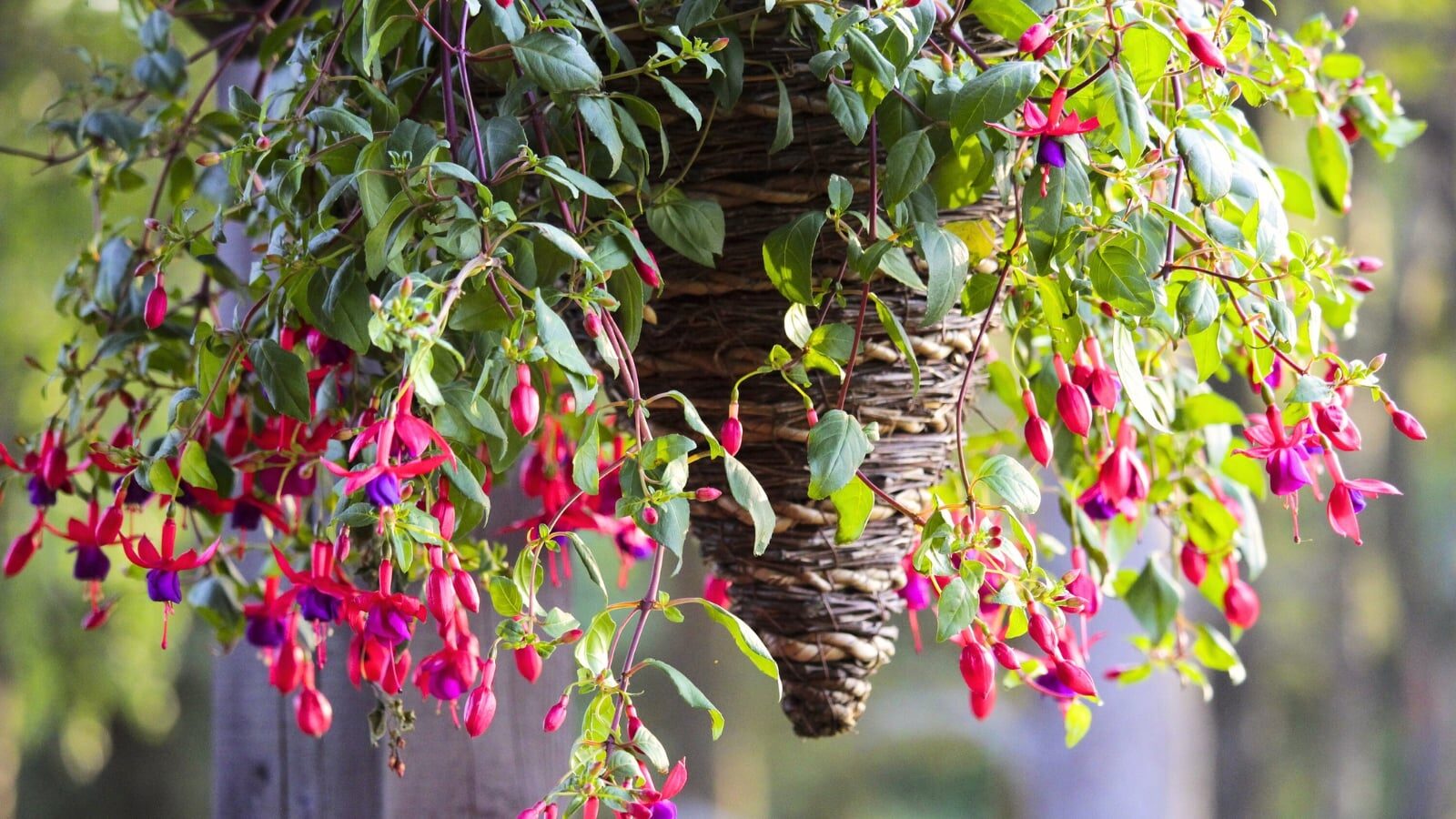


Summer can be both a blessing and a challenge for your garden. While the sun is essential for plant growth, too much of it can lead to scorched leaves and wilting blooms. But don’t sweat it—there are plenty of effective and practical methods to give your plants some much-needed shade and keep them cool during the hottest months. Here’s how you can ensure your garden thrives, even when the temperatures soar.
1. Use Deciduous Trees for Natural Shade
One of the most natural and effective ways to shade your plants is by using deciduous trees. These trees, such as maples or oaks, provide a lovely canopy during the summer, blocking out excessive sunlight. As they shed their leaves in the fall, they allow sunlight to warm your garden in the winter. This dual benefit makes them a smart choice for year-round garden planning.
- Tip: Plant these trees on the south or west side of your garden to block the harsh afternoon sun effectively.

2. Employ Shade Cloths
Shade cloths are a versatile tool in your gardening arsenal. Available in various densities and materials, they can reduce sunlight without completely blocking it, allowing your plants to continue photosynthesizing.
- How to Use: Position the cloth about 1 to 2 feet above your crops to allow for air circulation. This prevents heat from building up under the cloth.
- When to Use: Deploy shade cloths during the hottest part of the day, typically between 11 a.m. and 3 p.m.

3. DIY Shade Solutions
If you’re on a budget or love a good DIY project, you can create your own shade solutions. Old bedsheets, window screens, or even lattice panels can serve as makeshift shade cloths.
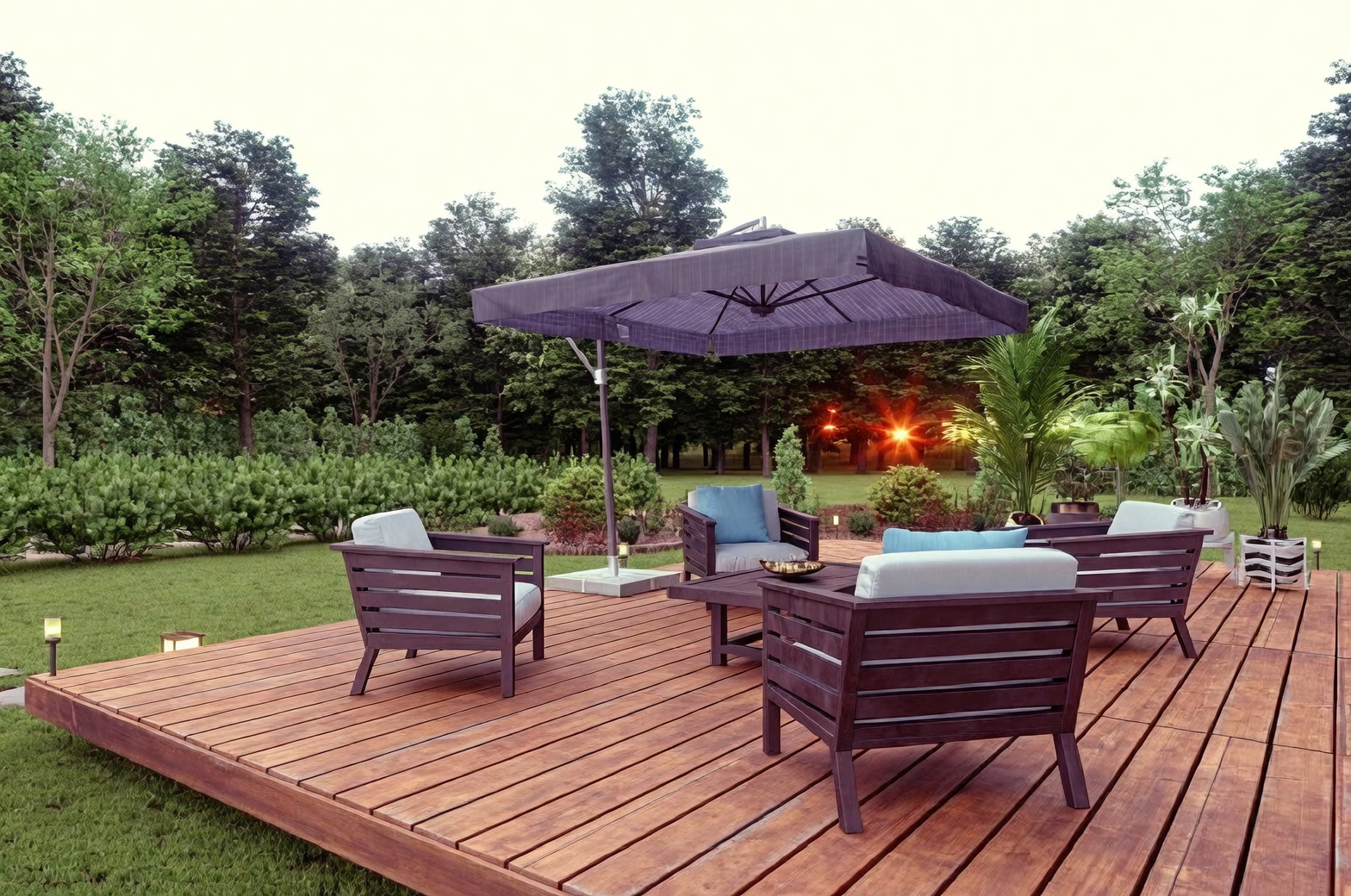
- Quick Fix: Use an umbrella to shade smaller garden sections. Move it as needed throughout the day to keep your plants covered.
4. Strategic Landscaping
Landscaping is not just about aesthetics; it’s also about function. By strategically planting shrubs and trees, you can create cooler microclimates in your garden.
- Plan: Sketch a site map and identify the sunniest spots in your garden. Use plants or structures to shade these areas.
- Bonus: Well-planned landscaping can also reduce your home’s cooling load, saving on energy costs.
5. Install Shade Structures
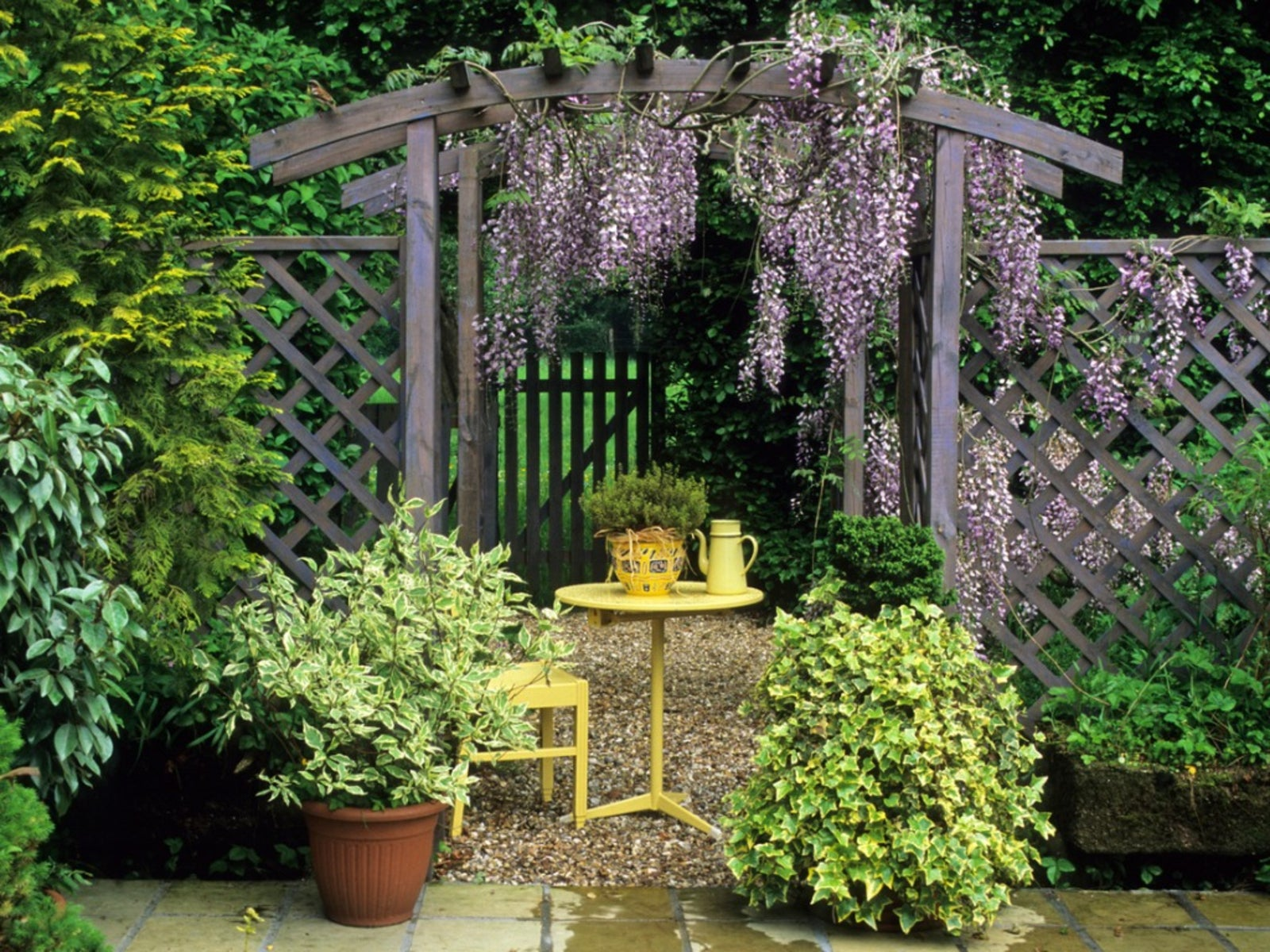
For a more permanent solution, consider installing pergolas, trellises, or arbors. These structures not only provide shade but can also support climbing plants like vines, which add an extra layer of sun protection.
- Where to Install: Place them over patios, garden paths, or directly over planting beds that need protection.
6. Ventilation and Cooling Tricks for Greenhouses
If you have a greenhouse, summer can turn it into an oven. To combat this, focus on ventilation. Open vents or doors to allow hot air to escape. Additionally, use evaporative cooling methods like misting the floors to lower temperatures.
- Shade Cloth Inside Greenhouses: Consider hanging shade cloth inside your greenhouse to cut down on direct sunlight.
Common Mistakes to Avoid
- Over-Shading: Too much shade can hinder photosynthesis, so ensure your plants get the right balance of light and shade.
- Ignoring Ventilation: Proper airflow is crucial, especially in enclosed spaces like greenhouses. Don’t block natural breezes with shade structures.
By incorporating these shading and cooling methods, you can create a more comfortable environment for your plants, ensuring they remain healthy and productive all summer long. Remember, a little planning and creativity can go a long way in keeping your garden lush and thriving, no matter how high the mercury climbs!