

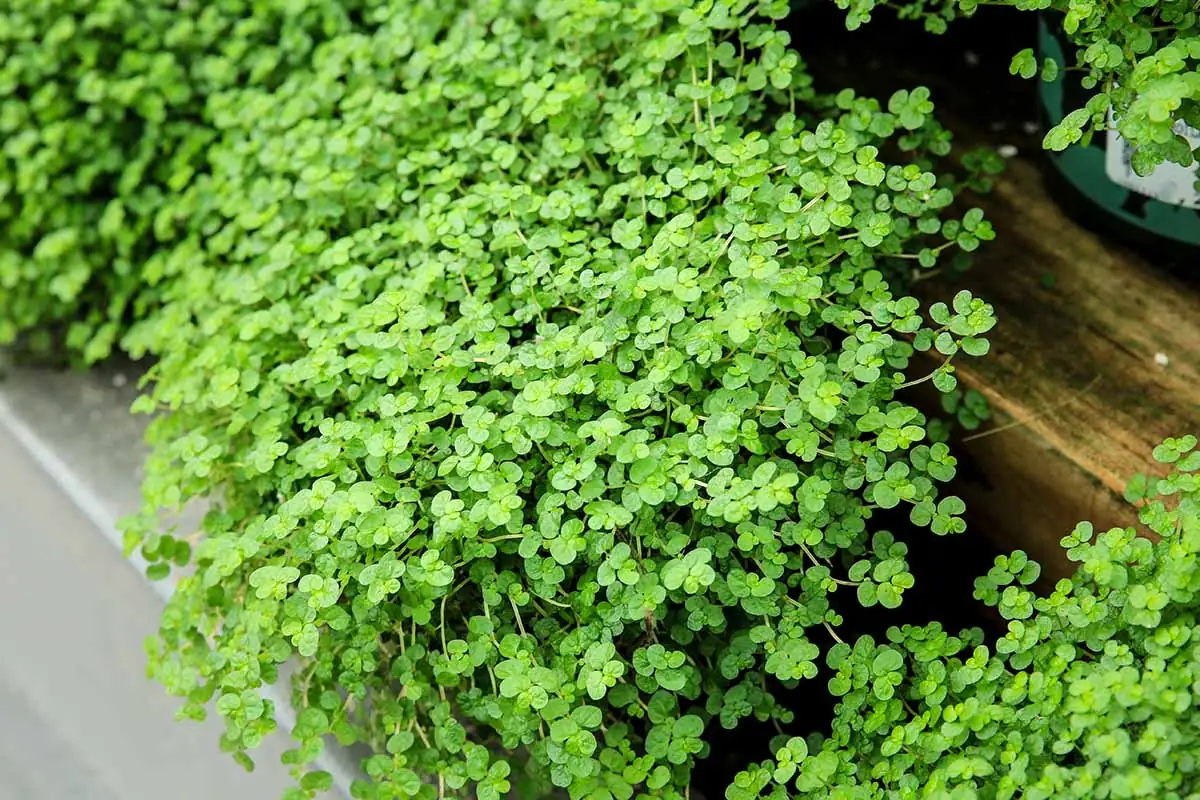
If you’re looking to add a lush, whimsical touch to your home or garden, Baby’s Tears (Soleirolia soleirolii) might just be your perfect match. Imagine a soft, green cushion spreading effortlessly, offering a miniature landscape of vibrant greenery. Whether you call it Angel’s Tears or Mind-Your-Own-Business, propagating this delightful plant is as rewarding as it is straightforward.
Getting Started with Propagation
Before we dive into the step-by-step guides, let’s talk essentials. For successful propagation, timing is everything. Aim for spring or summer when the plant is in its active growth phase, ensuring the best chance for success.
Materials You’ll Need:
- Clean shears or scissors: Sharpness is key for clean cuts.
- Propagation containers: Small pots with drainage holes work wonders.
- Potting mix: Opt for a rich, well-draining mixture fortified with compost or perlite.
- Rooting hormone (optional): Think of it as a growth booster.
- Plastic wrap or a dome: To trap humidity and create a cozy environment for new roots.

Propagation Method 1: Stem Cuttings
Stem cuttings are like the bread and butter of plant propagation. Here’s how to turn a simple snip into a thriving new plant.
- Select Your Stems: Look for healthy, vigorous stems without signs of pests or disease.
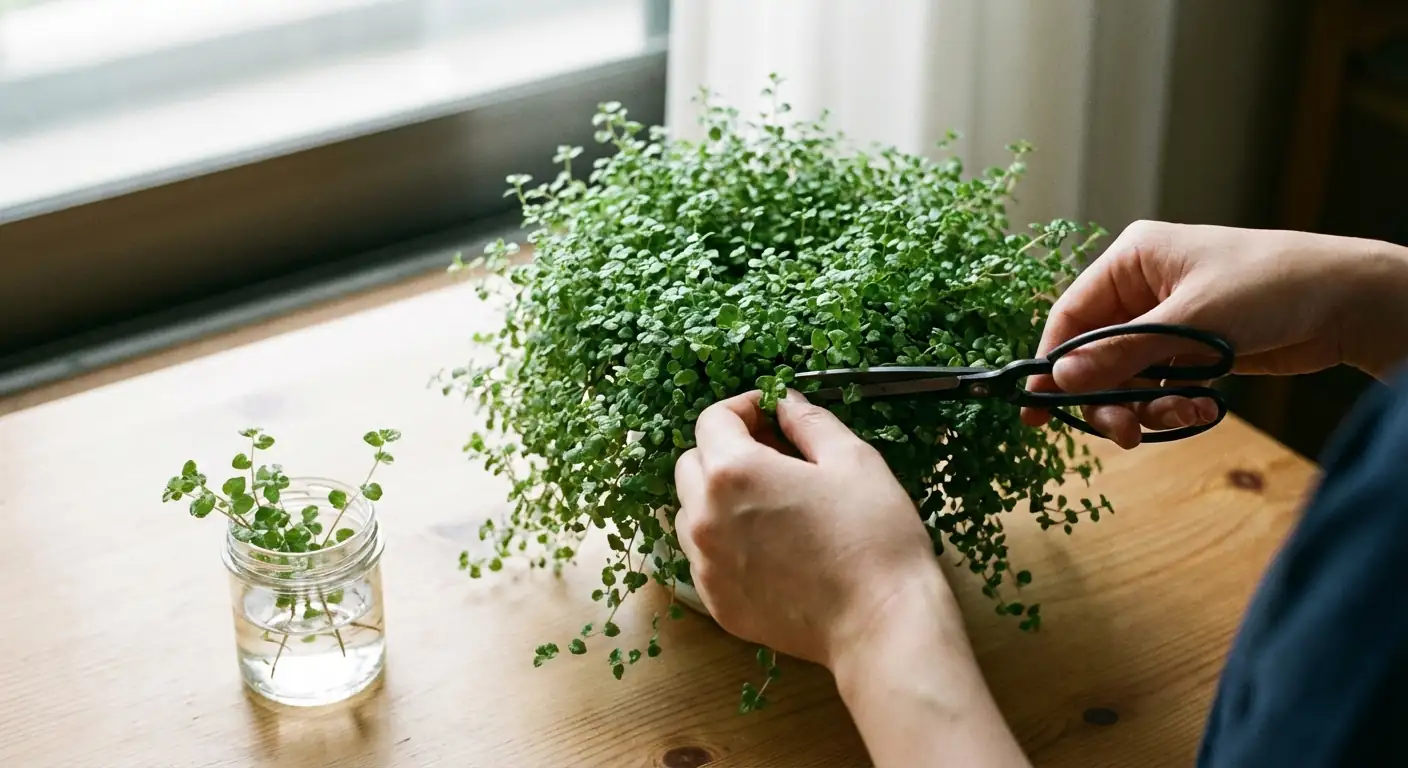
- Make the Cut: Using your sterilized shears, snip below a node—the spot where leaves join the stem.
- Rooting in Water: Submerge the cut end in water, ensuring leaves stay above the surface. Once roots appear, transition the cutting to soil.
- Rooting in Soil: Alternatively, plant your cutting directly into moist potting mix. Keep the environment humid and the soil lightly moist until roots establish.
Propagation Method 2: Division
Division is like giving your plant a fresh start. It’s perfect when your Baby’s Tears has outgrown its pot and needs a little breathing room.
- Prepare for Division: Gently remove your plant from its container and brush away excess soil.
- Separate the Plant: Carefully tease apart the roots to divide the plant into smaller sections, each with its own roots.
- Repot: Place each division into its own pot filled with fresh potting mix. Handle with care—these plants are delicate!
Propagation Method 3: Layering
Layering is the leisurely route, offering a low-stress way to create new plants.
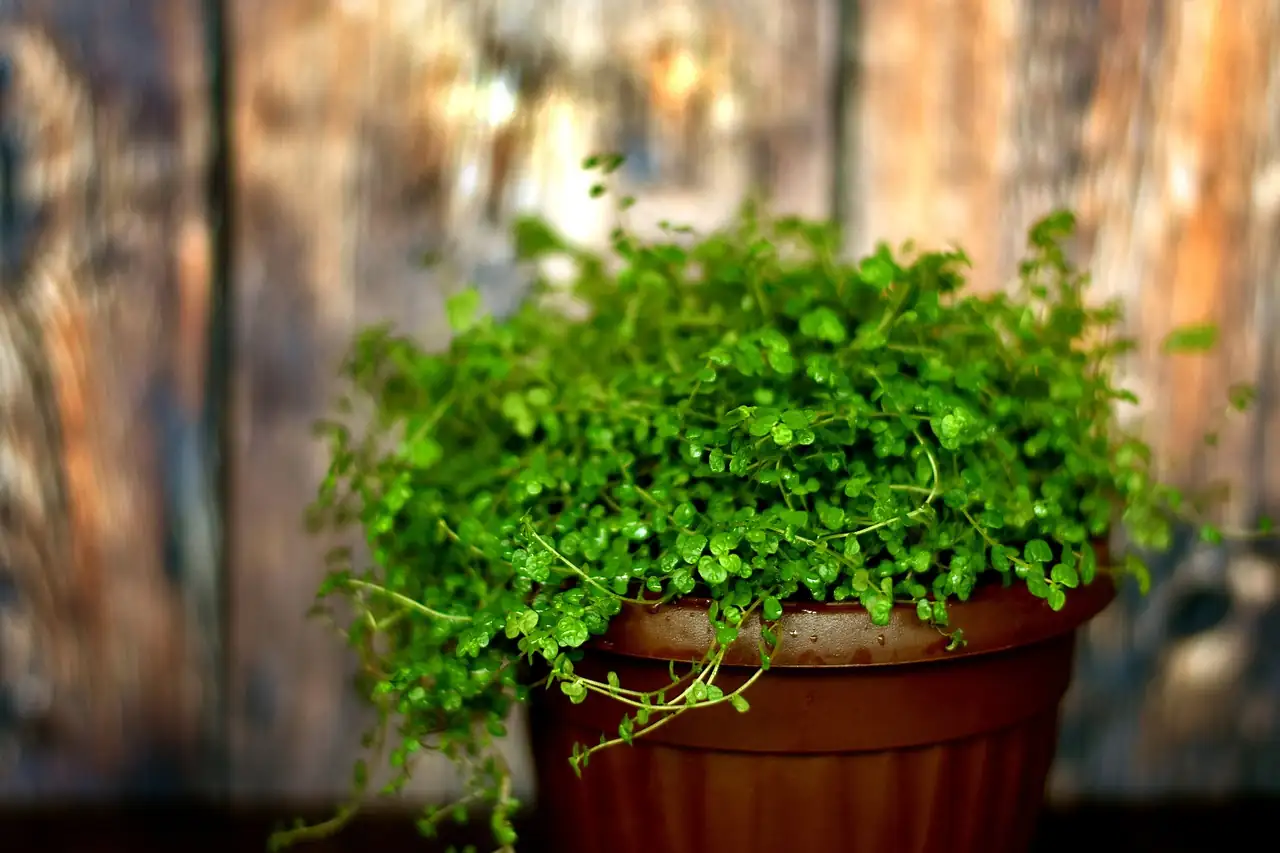
- Choose a Stem: Select a healthy stem and gently press it onto the soil surface while still attached to the mother plant.
- Pin It Down: Use a small pin or a bent paperclip to keep the stem in contact with the soil.
- Wait for Roots: Once roots have developed, separate the new plant from the mother and pot it up.
Caring for Your New Baby’s Tears
Once you’ve propagated your new plants, they’ll need some TLC to thrive:
- Light: Provide bright, indirect light. Avoid direct sunlight, which can scorch their delicate foliage.
- Watering: Keep the soil consistently moist but not waterlogged. Remember, they bounce back quickly if they wilt from thirst.
- Humidity: These plants adore humidity. A pebble tray or a humidifier can help recreate their ideal environment.
Troubleshooting Common Issues
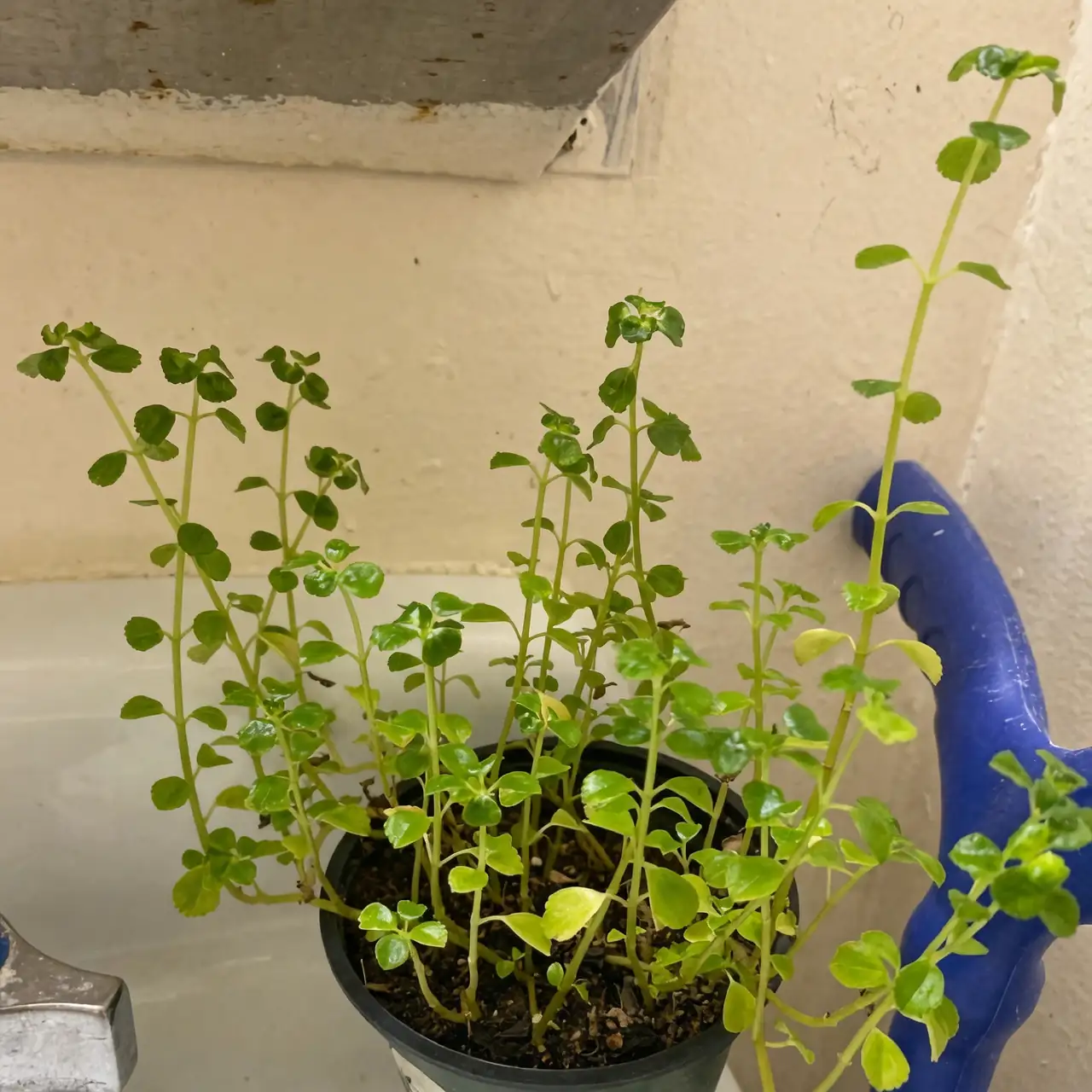
- Wilting: Often due to dryness. Water thoroughly and expect a rapid recovery.
- Brown Edges: Usually a sign of too much direct sunlight or dry air. Adjust light and humidity accordingly.
- Root Rot: If your plant smells bad and the leaves darken, it’s time to repot with fresh soil and trim away any mushy roots.
A Touch of History and Symbolism
Baby’s Tears, with its playful names and soft appearance, is often linked to emotions of calm and resilience—qualities that resonate through its gentle yet persistent growth. Originating from the Mediterranean regions of Corsica and Sardinia, this plant carries the charm of its rugged yet beautiful homeland, spreading joy and greenery wherever it goes.
By following these propagation steps, you’ll not only multiply your Baby’s Tears but also infuse your space with a touch of Mediterranean magic. Happy propagating! 🌿


