Spring is finally peeking around the corner, and for many of us, that means it’s time to dust off our gardening gloves and get back into the garden. But before you dive headfirst into planting your favorite blooms or veggies, a bit of groundwork—literally—is needed to set your garden up for a flourishing season. Here’s your guide to preparing both soil and plants for a successful spring garden.
Start with a Plan
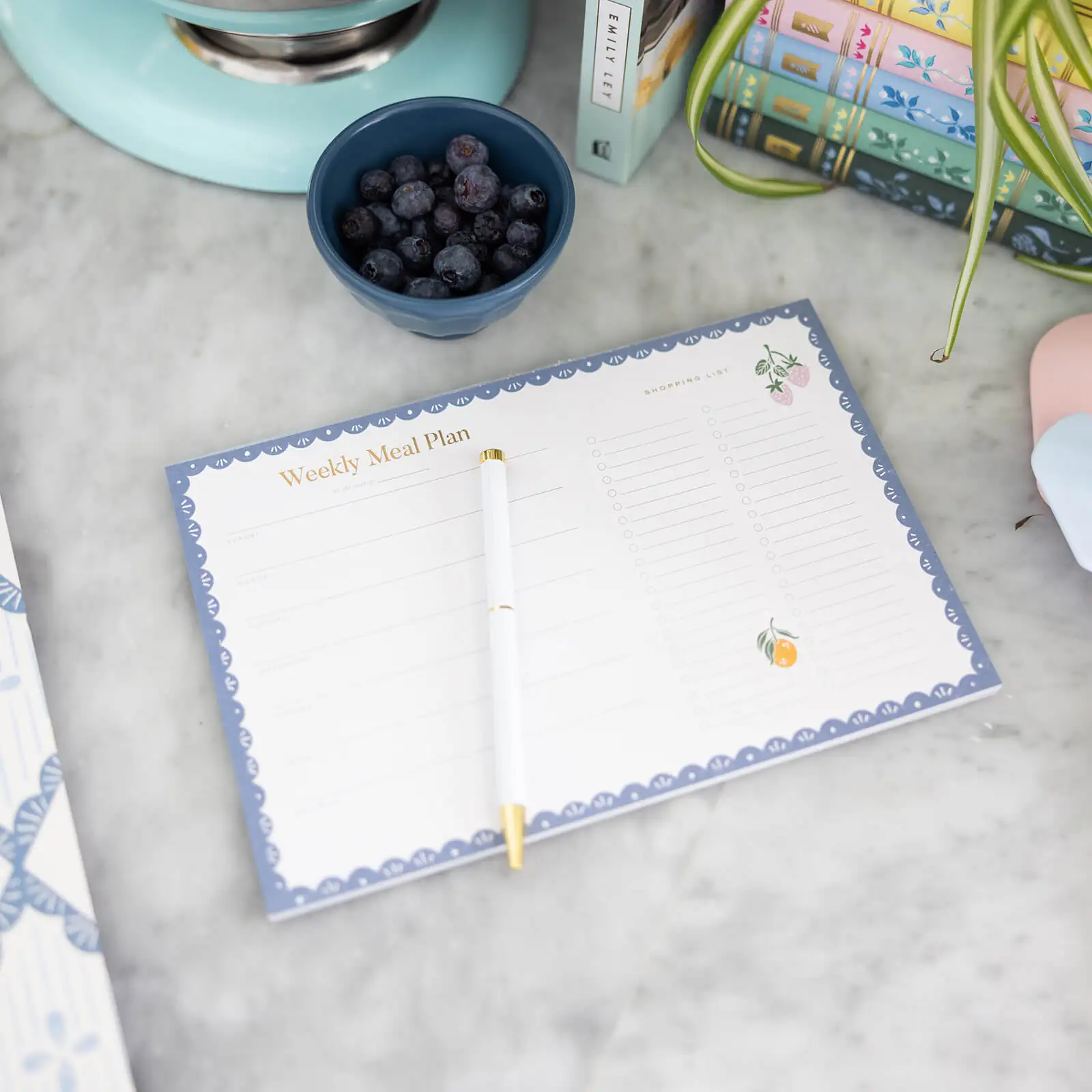
Before you even pick up a trowel, planning is key. Walk around your garden with a notepad or your phone and jot down what you’d like to plant and where. Consider the sunlight each area receives; most vegetables need at least 6 hours of direct sunlight, though leafy greens like spinach and lettuce can tolerate a bit less. A good plan also includes a rough timeline—knowing when to start seeds indoors or when to transplant them outside can save you a lot of time and effort later on.
Soil Preparation: The Foundation of a Healthy Garden
Healthy soil is the backbone of any thriving garden. Here’s how to get yours in top condition:
Test and Amend
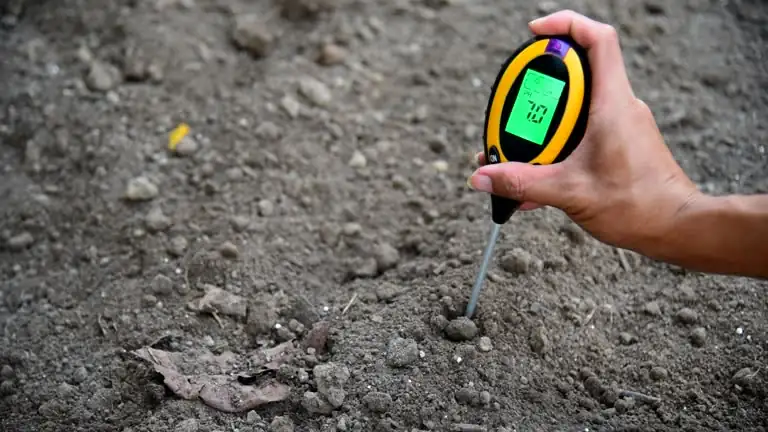
Consider conducting a soil test through your local cooperative extension. This will help you understand your soil’s pH and nutrient levels, guiding you on any necessary amendments. Generally, adding 1/2 to 1 inch of compost or dehydrated manure will enrich the soil for an established garden. If you’re starting a new plot, aim for 1 to 4 inches.
Turn and Aerate
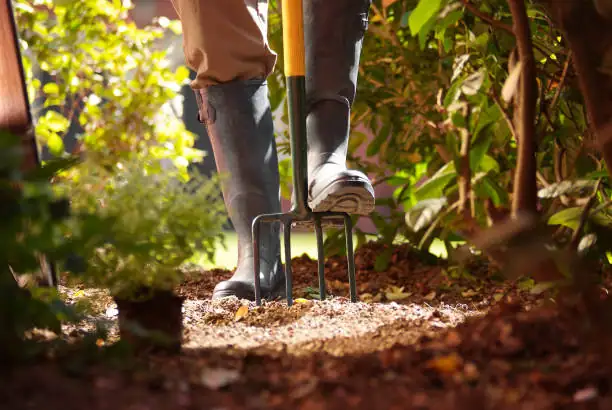
When the soil is moist but not soggy, use a spading shovel or garden fork to turn it over. This aerates the soil, improves structure, and increases its water-holding capacity. Be sure to break up large clumps and move backward as you work to avoid compacting freshly turned soil.
Planting: Timing and Techniques
Seed Starting
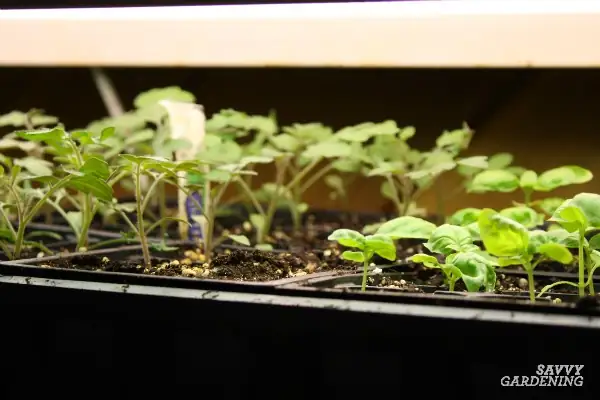
Some seeds, like tomatoes and peppers, need to be started indoors in late winter. As spring approaches, you can begin planting hardier seeds directly in the garden. When sowing seeds, a good rule of thumb is to plant them at a depth of 2 to 3 times their diameter. Ensure rows are spaced to allow for mature plant growth, generally with an additional 12 to 24 inches for a walkway if needed.
Transplanting and Dividing Perennials
Early spring is perfect for dividing and transplanting perennials, like daylilies and hostas. Doing this before they fully leaf out makes the process easier and helps the plants settle in well. Just be careful not to damage new shoots.
Don’t Forget the Cleanup
Before planting, clear away any winter debris. This includes dead foliage and leaves, which can be composted. Be mindful of overwintering insects that may still be benefiting from plant debris; waiting until temperatures consistently hit 50°F before a thorough cleanup can help these beneficial bugs.
Common Mistakes to Avoid
- Ignoring Soil Health: Skipping soil preparation can lead to poor plant growth and increased susceptibility to disease.
- Planting Too Early: Planting seeds or transplants before the last frost can stunt growth or kill young plants.
- Overcrowding: Ensure you give each plant enough space to grow to its full potential, which can prevent diseases and improve airflow.
By planning ahead and prepping your soil now, you’ll set your garden up for a season of growth and bounty. Happy gardening!