

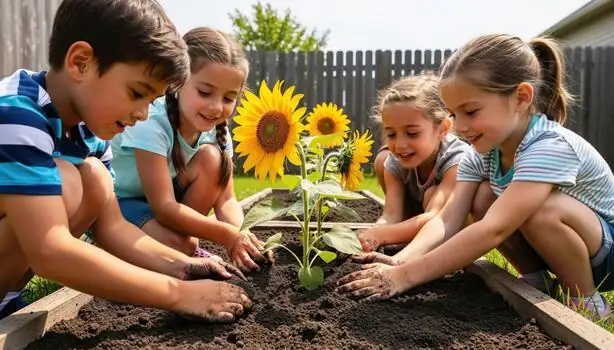
Introducing children to gardening and the fascinating life cycle of plants is like opening the door to a magical world. Watching a tiny seed transform into a flourishing plant can ignite curiosity and a lifelong appreciation for nature. Let’s dive into how you can guide your child through each growth stage, using fun activities and practical tips.
Seed Stage: Planting the Beginning
What to Do: Start by involving your child in planting seeds. Choose easy-to-grow options like beans or sunflower seeds. Explain that seeds are like little sleeping babies waiting for the right time to wake up and grow.
When to Do It: Early spring is a great time, but you can start indoors any time of the year.
What to Watch Out For: Ensure the seeds have the right conditions—moisture, warmth, and a good location. Tell your child that seeds need these to “wake up” and start their journey.
Common Mistakes: Overwatering is a common mistake. Teach your child the importance of a light, consistent watering schedule.
Germination: The Wake-Up Call
Explaining the Stage: This is where the magic begins! The seed absorbs water and begins to sprout, sending roots down into the soil and shoots upwards towards the sun.
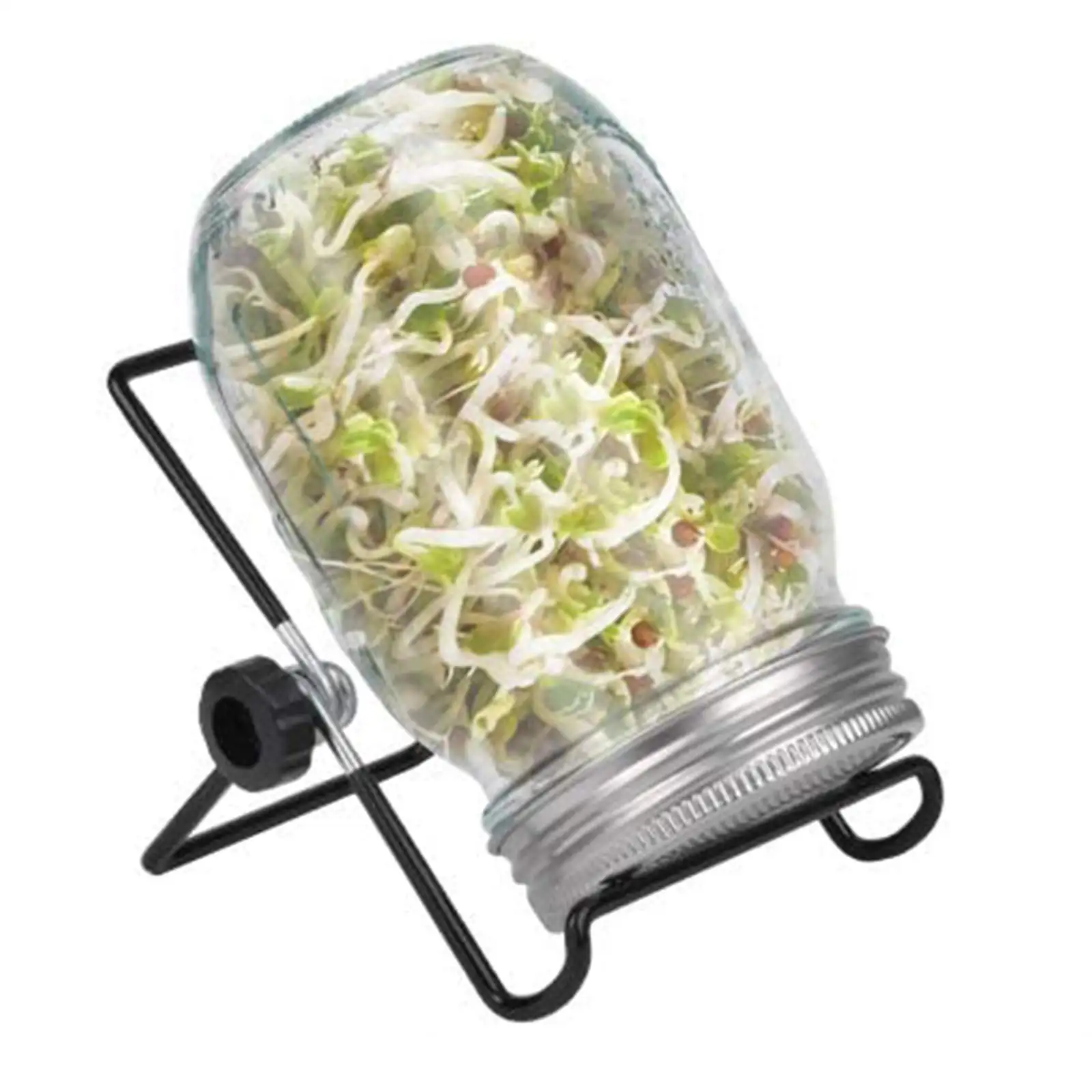
Hands-On Activity: Create a germination jar. Place seeds between damp paper towels inside a clear jar. Your child will love watching the roots and shoots emerge!
Fun Fact: Some seeds, like beans, can germinate in just a few days, offering quick gratification to eager young gardeners.
Seedling: Tender New Growth
What Happens Here: The seedling stage is akin to a plant’s childhood. It grows a small stem and a few leaves, starting the photosynthesis process.
Activity Idea: Encourage your child to keep a seedling journal. They can draw or describe changes, helping them connect with and understand the process.
What to Watch Out For: Make sure seedlings have enough light. If they start leaning or getting leggy, they may need more sunlight.
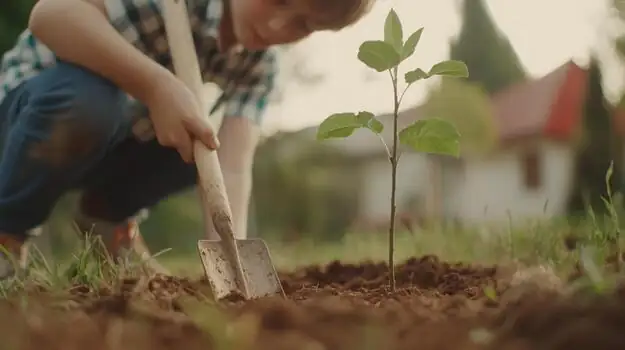
Growth: Thriving and Expanding
Explaining Growth: As the plant grows, it strengthens its roots, branches out, and develops more leaves.
Practical Tip: Teach your child about the importance of sunlight and water. You can make a simple chart to track watering days.
Common Mistakes: Forgetting to thin out crowded seedlings. Show your child how to gently remove weaker plants to give the stronger ones room to flourish.
Reproduction: Flowers and Seeds
What Happens Here: Plants bloom and produce seeds, completing the cycle and starting it anew.
Activity Idea: Go on a nature walk and identify different stages in wild plants. Bring a notebook for sketches or notes.
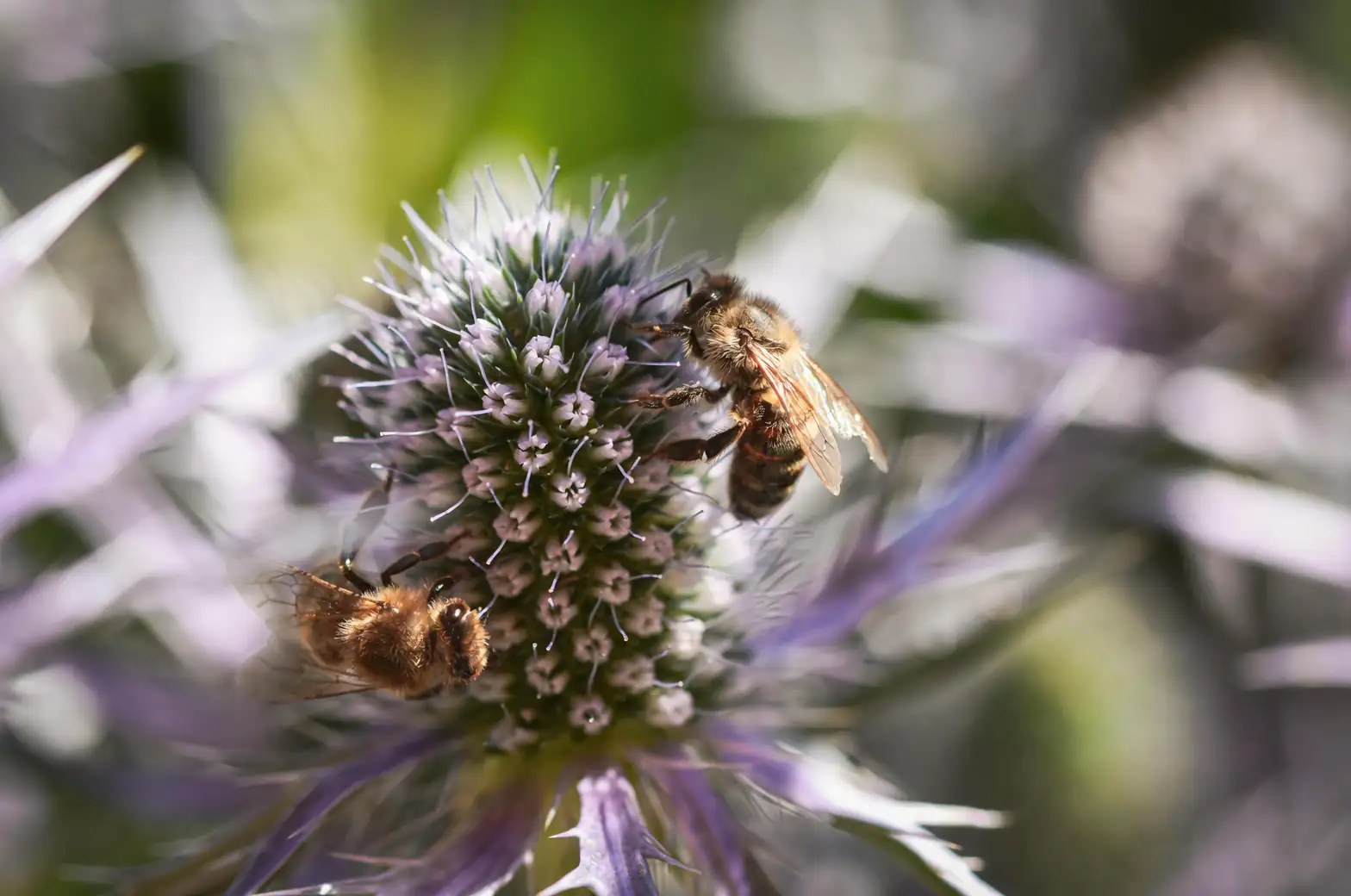
Fun Fact: Explain how flowers attract pollinators like bees and butterflies, which help the plant make new seeds.
Conclusion
Engaging your child with plants at each growth stage not only teaches them about biology but also instills responsibility and patience. By nurturing plants, children gain a sense of accomplishment and a deeper connection to the environment. Whether you’re growing a small windowsill herb garden or planning a backyard vegetable patch, these experiences are invaluable. So grab some seeds, roll up your sleeves, and embark on this green adventure together!


