If you’re a plant enthusiast who also shares your space with curious pets, you might find yourself in a bit of a pickle. Cats and dogs are naturally inquisitive, and it’s not uncommon to see them pawing at your beloved greenery, potentially causing damage. But don’t worry! By hanging your indoor plants cleverly, you can enjoy your green companions without worrying about Fluffy or Fido wreaking havoc. Here’s how to do it:
Understanding Your Pet’s Behavior
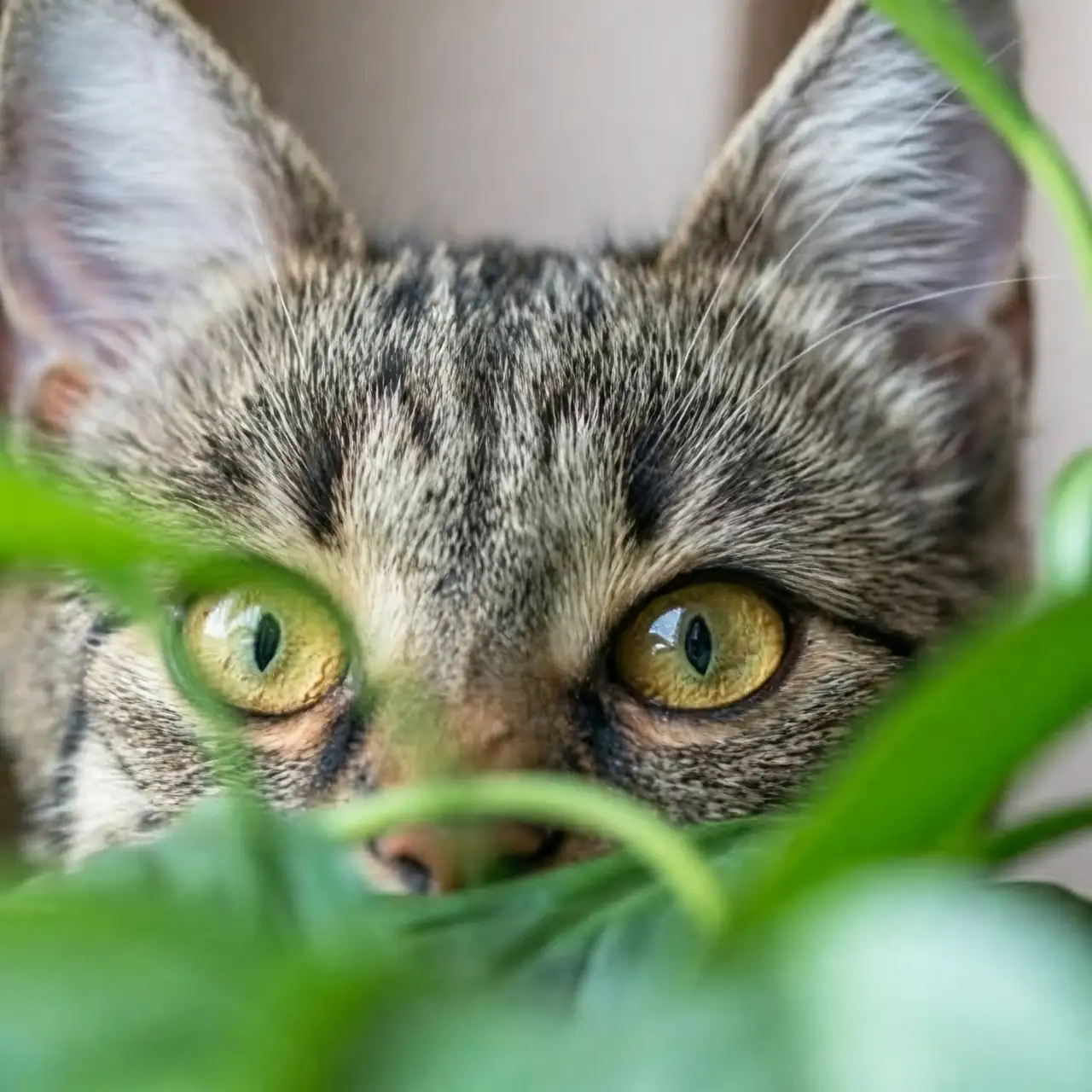
Before jumping into solutions, it’s helpful to understand why pets are drawn to plants. Cats, for instance, might chew on leaves for dietary supplements or as a form of play, mimicking prey-like motion. Dogs, especially puppies, often explore the world through their mouths, which can mean trouble for your potted plants. Knowing this can help you better tailor your pet-proofing strategies.
Choosing the Right Location
High and Mighty
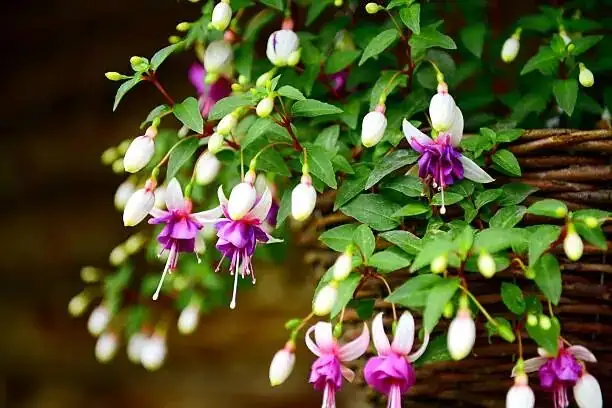
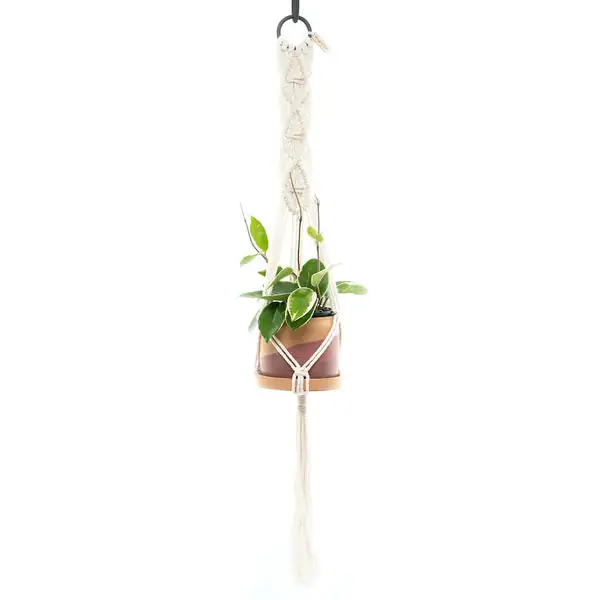
When it comes to keeping plants out of reach, height is your best friend. Positioning plants on high shelves or using ceiling-mounted hanging baskets can effectively deter both cats and dogs. Keep in mind that cats are notorious climbers, so ensure these spots are truly inaccessible. Macramé plant hangers are not only trendy but also practical, offering a stylish way to elevate your plants.
Dedicated Plant Rooms
If you have a spare room with good lighting, consider making it a plant sanctuary. This keeps your plants safe and allows you to enjoy them without pet interference. Just make sure the room remains off-limits to your furry friends by keeping the door closed.
Enhancing the Hang
Invest in Sturdy Fixtures
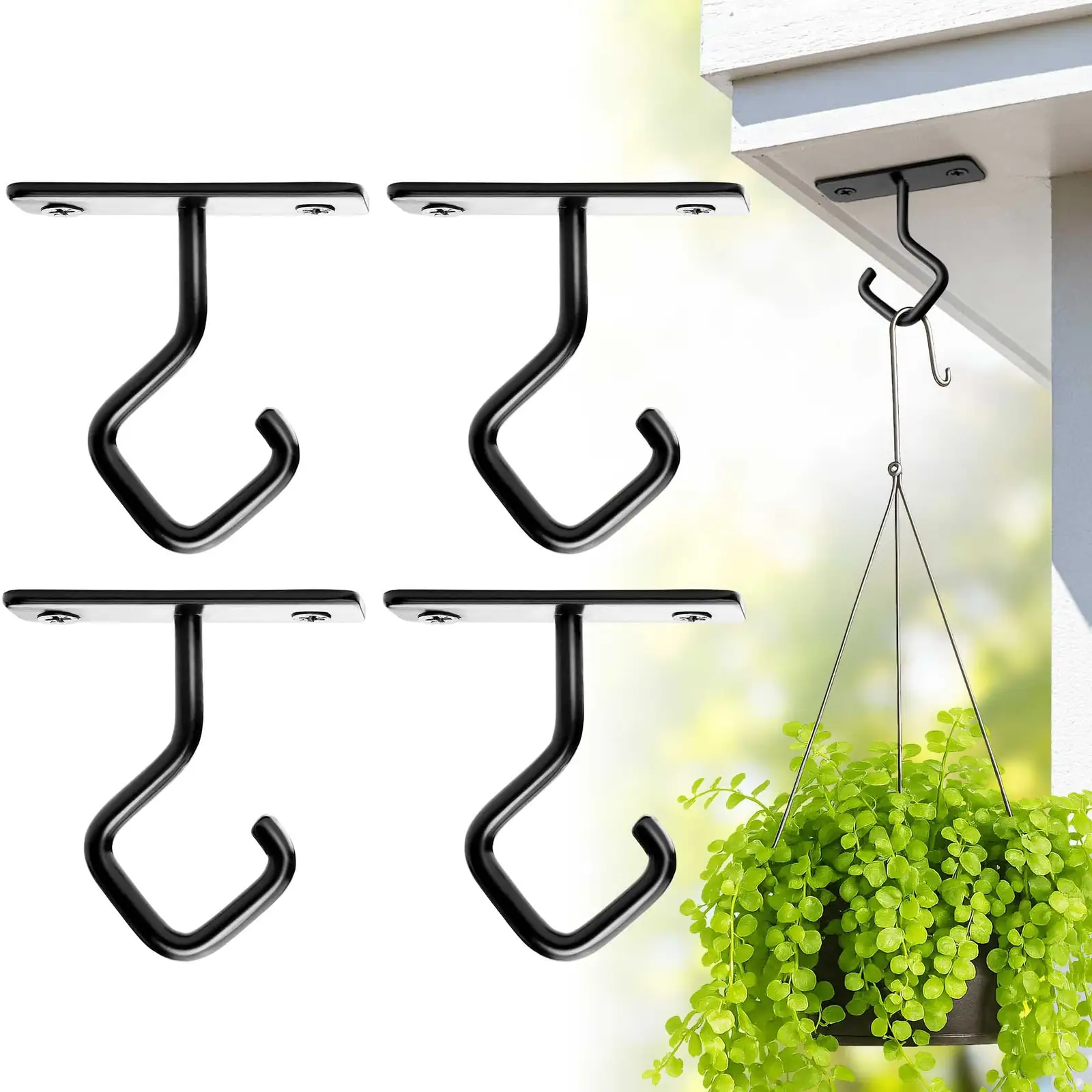
When hanging plants, safety is key. Use robust hooks and strong cords to ensure your plants don’t come crashing down. This not only protects your plants but also prevents potential harm to your pets.
Creative Display Solutions
For those who love a bit of DIY, creating mini plant shelves at varying heights on your walls can add visual interest while keeping plants safe. This is particularly useful in smaller spaces where floor space is limited.
Additional Deterrents
Sensory Barriers
Cats dislike the smell of citrus, so placing lemon or orange peels around the base of your plants can serve as a natural deterrent. Be sure to avoid essential oils, as they can be toxic to pets.
Covering and Protecting Soil
To prevent digging, cover the soil with pinecones, stones, or seashells. These materials not only deter pets but also add a decorative touch to your pots. If your pet is persistent, consider using a breathable cover like burlap.
Encouraging Positive Behavior
Pet-Friendly Alternatives
Provide your pets with safe and satisfying alternatives like cat grass or wheatgrass. This not only satisfies their curiosity but also keeps them from targeting your indoor plants.
Training and Enrichment
Redirect your pet’s energy with toys and regular play sessions. Training pets to respect your plants can also be effective, using positive reinforcement techniques rather than punishment.
Final Thoughts
Creating a harmonious home with both plants and pets is entirely possible with a bit of planning and creativity. By elevating your plants and using strategic deterrents, you can enjoy a lush indoor garden without sacrificing the safety of your furry family members. So go ahead, hang those plants high and let your home flourish!