


There’s something remarkably satisfying about nurturing new life from a tiny seed or a small cutting, especially when it results in a riot of vibrant colors gracing your garden. Petunias, with their cheerful, trumpet-shaped blooms, are a gardener’s delight—not just for their beauty but also for how easy they are to propagate. Whether you choose to grow Petunia × atkinsiana (also known as Petunia × hybrida) from seeds or cuttings, you’re in for a rewarding gardening experience.
Propagating Petunias: Seed Sowing Techniques
Getting Started with Seeds
Petunia seeds are famously tiny—so tiny, in fact, they can be lost on the tip of a finger. But don’t let their size fool you. These little powerhouses can transform into a stunning floral display with just a bit of care. Here’s your guide to starting petunias from seed:
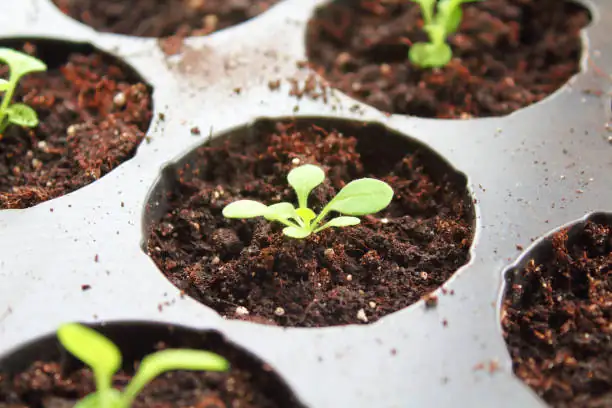
- Timing is Everything: Begin sowing your seeds indoors about 10 to 12 weeks before the last expected frost. This gives the seedlings plenty of time to establish before they face the great outdoors.
- Choosing the Right Medium: Use a light, well-draining seed-starting mix. Petunias appreciate a fertile environment, so consider incorporating a bit of perlite or coarse sand to enhance drainage.
- Sowing the Seeds: Surface-sow your seeds; they need light to germinate, so do not cover them with soil. A gentle misting of water will help them settle.
- The Warmth Factor: Keep the seeds warm, ideally between 13–18°C (55–64°F), and patiently await germination, which typically occurs in about 10 days.
- Nurturing Seedlings: Once your seedlings have developed about 5-6 true leaves, they’re ready to be transplanted into larger pots. This is also an excellent time to begin acclimating them to outdoor conditions, gradually increasing their sun exposure.
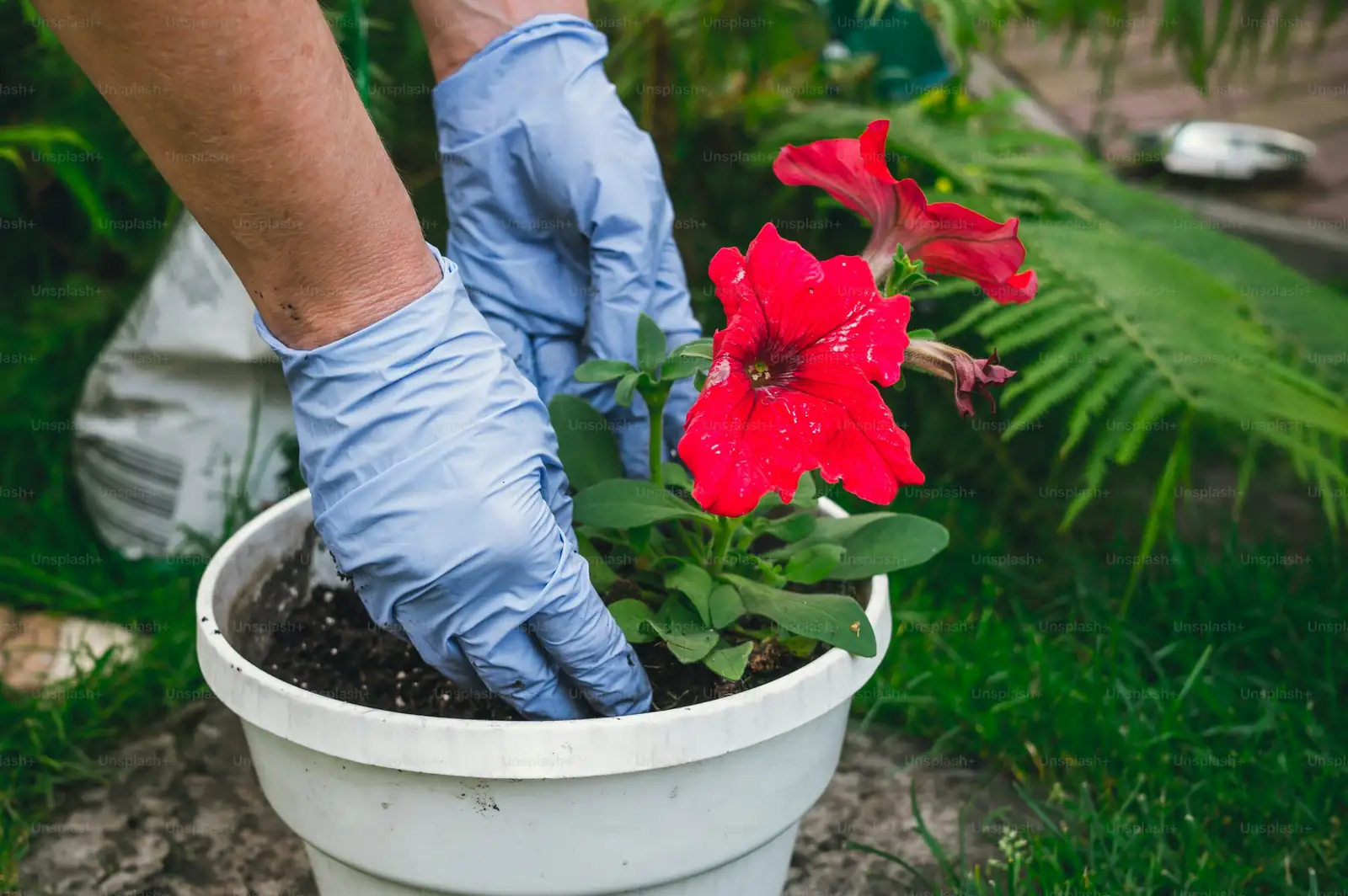
Why Grow from Seeds?
Growing petunias from seeds allows you to explore a wide variety of colors and patterns that might not be available as seedlings in garden centers. It’s a chance to personalize your garden with unique varieties that will leave your neighbors in awe.
Rooting Petunias: Cuttings for Quick Results
Why Choose Cuttings?
If you’re looking for a faster route to a lush garden, propagating petunias from cuttings is an excellent alternative. This method guarantees that the new plants will be exact replicas of the parent, perfect for preserving a cherished variety.
Step-by-Step Guide to Rooting Cuttings
- Select the Right Stem: Choose a healthy, non-flowering stem about 10 cm (4 in) long. This will give your cutting the best chance of success.
- Prep Your Cutting: Remove the lower leaves to prevent rot and dip the cut end in rooting hormone to encourage root development.
- Plant in the Right Mix: Place the cutting in a pot filled with a moist, well-draining mix. A combination of peat and perlite works wonders.
- Create a Mini Greenhouse: Cover the pot with a plastic bag or a clear cloche to maintain humidity, but ensure there’s some airflow to prevent mold.
- Patience and Care: Keep the cuttings warm and out of direct sunlight. In about two weeks, you should notice new roots forming.
- Transplanting: Once rooted, gradually acclimate your new plants to outdoor conditions before planting them in their final location.
The Benefits of Cuttings
Cuttings not only provide quicker blooms compared to seeds but also ensure that your favorite petunias can be shared with friends or used to create a uniform garden display.
Final Thoughts
Whether you’re sowing seeds or rooting cuttings, propagating petunias offers a gratifying way to expand your garden. With their vibrant colors and delightful fragrance, petunias provide endless possibilities for creativity in garden design. So, grab your gardening gloves, and let’s get growing—your summer garden awaits a spectacular display of color!


