


Petunias are a gardener’s colorful dream—vibrant, vivacious, and versatile. Yet, even these cheerful blooms are not immune to the challenges of pests and diseases that can turn a floral paradise into a botanical battleground. Let’s dive deep into identifying these common adversaries and arming ourselves with practical solutions to keep your petunias flourishing.
Identifying Common Petunia Pests
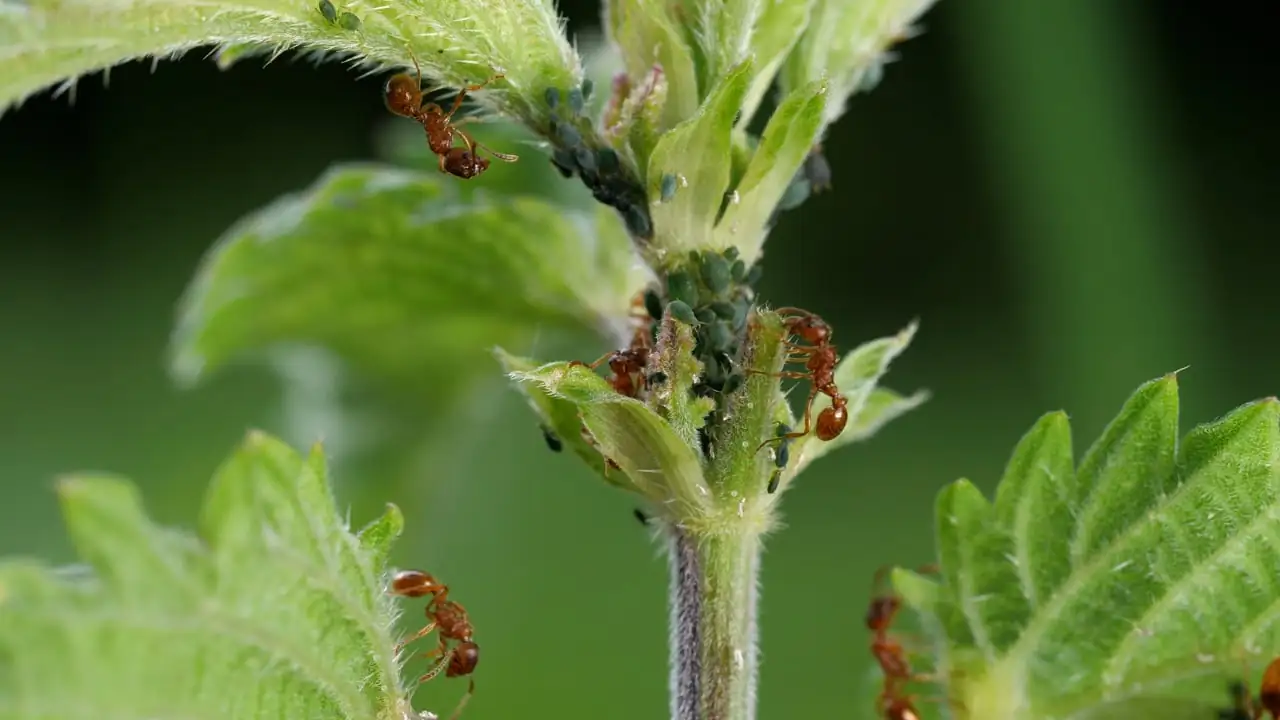
Aphids: The Sap-Sucking Menace
Aphids, tiny yet troublesome, are frequent visitors to petunia plants. These little sap-suckers can be spotted as clusters of tiny pear-shaped insects on the leaves and stems. They come in a variety of colors—green, yellow, red, or black—making them sometimes tricky to detect at first glance.
Prevention & Treatment: To thwart an aphid invasion, encourage beneficial insects like ladybugs and lacewings into your garden—they’re natural aphid predators. Should aphids take hold, a strong jet of water can dislodge them. For a more targeted approach, insecticidal soap can be effective without harming your plants.
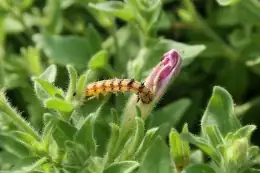
Budworms: The Nighttime Nibblers
Budworms, or tobacco budworms, are nocturnal caterpillars that love to munch on petunia buds, leaving you flowerless in the morning. They camouflage well, often going unnoticed until damage becomes obvious.
Prevention & Treatment: Handpicking these pests at dusk can reduce their numbers. Bacillus thuringiensis (Bt), a natural bacterium, can also be sprayed to control caterpillar populations without affecting other wildlife.
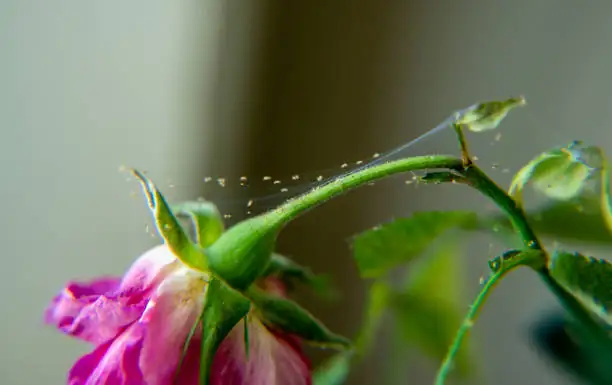
Spider Mites: The Tiny Web Weavers
Spider mites are nearly microscopic, yet their damage is visibly noticeable—fine webbing and speckled leaves. These pests thrive in hot, dry conditions, sucking the life out of your plants.
Prevention & Treatment: Increase humidity around your plants to deter spider mites. Neem oil or miticides can be used for infestations, but regular checks and water sprays often keep them at bay.
Diseases That Affect Petunias
Botrytis Blight (Gray Mold)
Gray mold is a fast-spreading fungus that thrives in damp, crowded conditions, causing flowers and stems to rot.
Prevention & Treatment: Ensure good airflow around your plants by spacing them properly and avoiding overhead watering. Remove any infected plant parts immediately. Fungicides can be applied as a last resort.
Powdery Mildew: The White Powdery Pest
Powdery mildew appears as a white, powdery coating on leaves and is particularly fond of warm, dry climates.
Prevention & Treatment: Regularly trim your plants to improve air circulation, and remove affected foliage promptly. Neem oil or sulfur-based fungicides can help manage outbreaks.
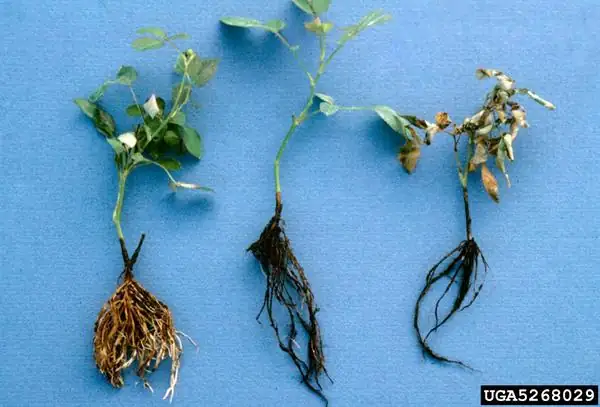
Root Rot: The Silent Saboteur
Often a result of overwatering or poor drainage, root rot causes wilting and yellowing of leaves, eventually leading to plant collapse.
Prevention & Treatment: Use well-draining soil and ensure containers have ample drainage holes. Water thoroughly but infrequently, allowing the topsoil to dry between waterings. If root rot sets in, it may be necessary to remove and replace the affected plant.
Practical Tips for a Healthy Petunia Garden
- Sun and Soil: Petunias thrive in full sun and well-draining, slightly acidic soil. Ensuring these conditions can prevent many pest and disease issues.
- Regular Feeding: These are hungry plants! Feed with a balanced fertilizer every two weeks to support continuous blooms.
- Water Wisely: Deep watering at the base of the plant ensures moisture reaches the roots without wetting foliage, which can promote disease.
- Routine Maintenance: Regularly deadhead spent blooms and trim leggy growth to keep your petunias vigorous and healthy.
By understanding the common pests and diseases that afflict petunias and taking proactive steps to prevent and treat these issues, you can enjoy a garden that blooms with all the vibrant colors and cheer that petunias promise. With a little care and attention, your garden will be a testament to nature’s beauty, full of life and color, season after season.


