The Art of Growing Petunias: A Symphony of Sun, Water, and Care
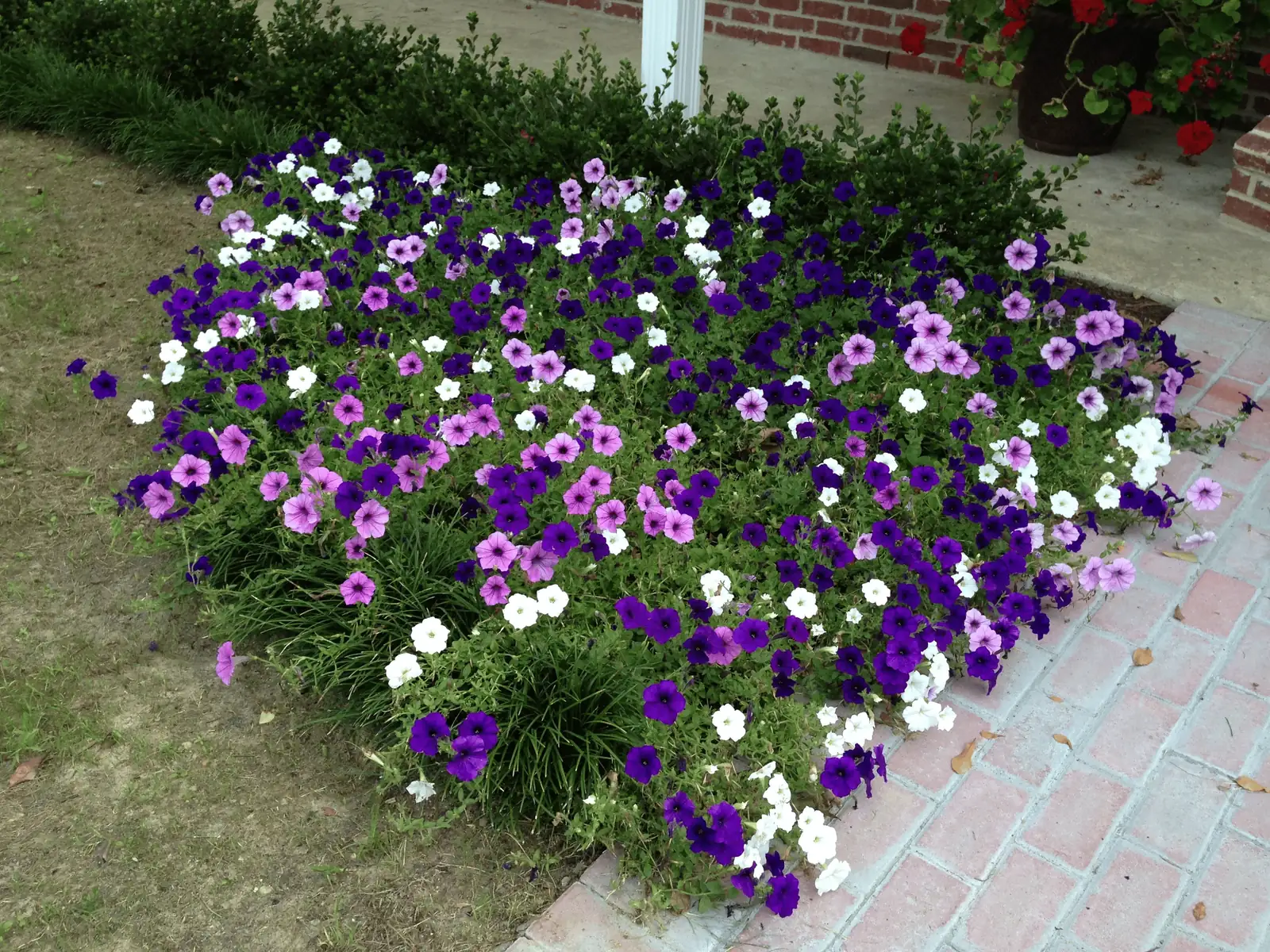
Imagine your garden as a vibrant canvas, painted with the vivid hues of Petunia × atkinsiana, commonly known as the garden petunia. This horticultural masterpiece, originating from South America, brings an explosion of color to any setting—from sunny beds to cascading hanging baskets. But how do you transform these delightful plants into the stars of your garden show? Let’s dive into the essential care techniques to help your petunias thrive.
Optimal Sunlight Exposure: The Brightest of Stars
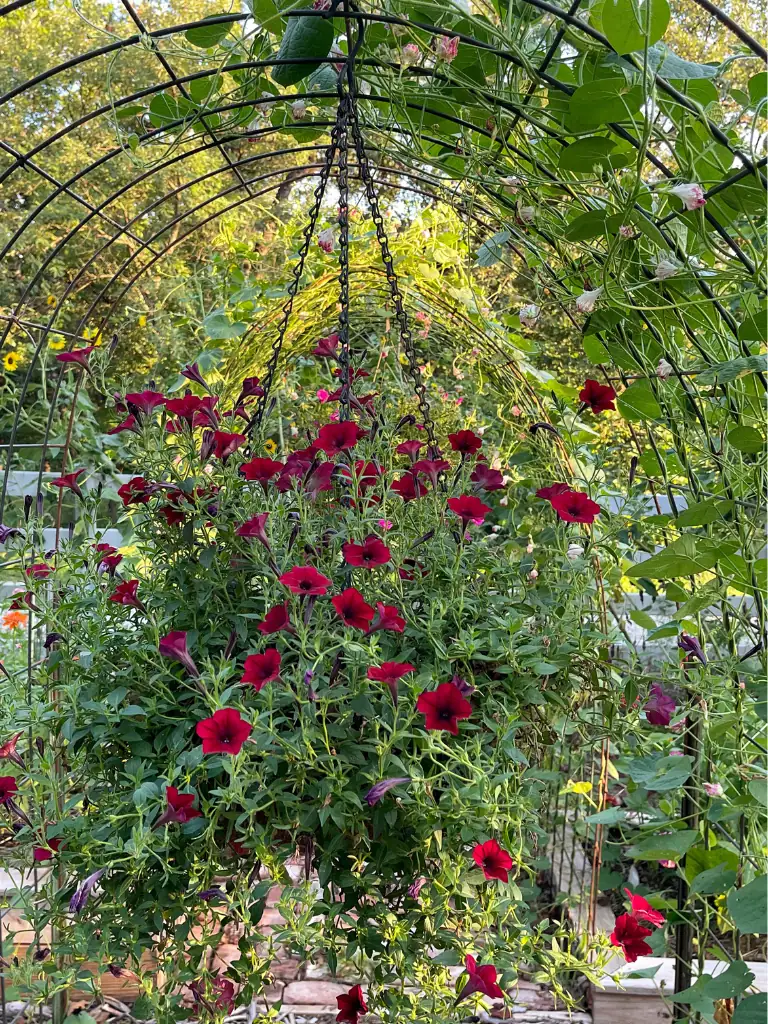
Petunias are sun worshippers, and their blooms are fueled by the sun’s energy. Aim to provide them with at least 6-8 hours of direct sunlight daily. Think of it as their daily dose of happiness; the more sun they bask in, the more vibrant and prolific their blooms will be. While they can tolerate light shade, you’ll notice a significant drop in flower production without full sun. Remember, a petunia in the shade is like a star without its sparkle.
Mastering the Watering Routine: The Dance of Moisture
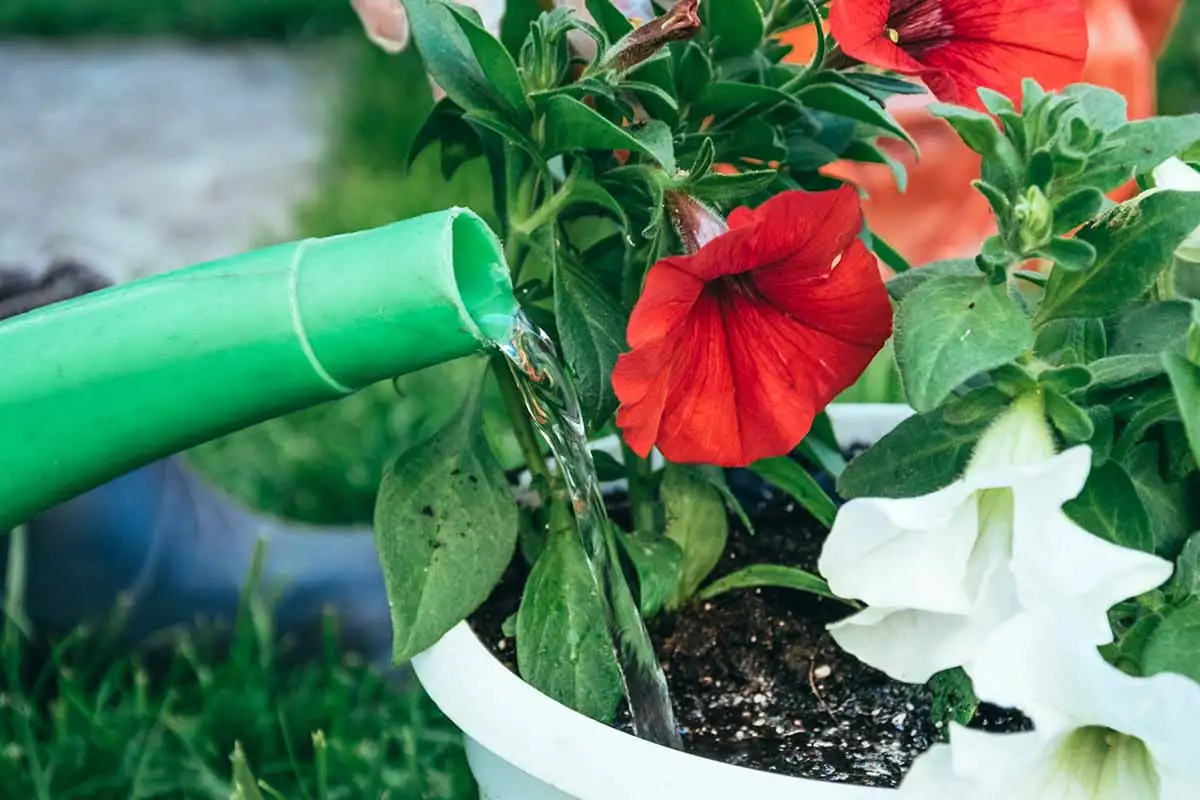
Watering petunias is akin to a delicate dance—too little, and they wilt; too much, and they drown. The key is consistency. Water deeply when the top layer of soil feels dry, allowing it to dry slightly between waterings. In garden beds, a weekly soak suffices, but in containers, you may need to water daily, especially in hot weather. Aim to water at the base to keep the foliage dry, reducing the risk of disease. It’s all about finding that perfect rhythm—neither too soggy nor too parched.
Feeding Frenzy: Nourishing for Abundant Blooms
Petunias are heavy feeders, and regular nourishment is their secret to nonstop blooming. Feed them every two weeks with a balanced fertilizer like a 20-20-20 formula. For those showstopping hanging baskets or trailing varieties, consider boosting the feeding routine to weekly. Keep an eye on the leaf color; if they start turning pale, it might be time for an iron-rich feed.
Pruning and Deadheading: The Art of Tidy Growth
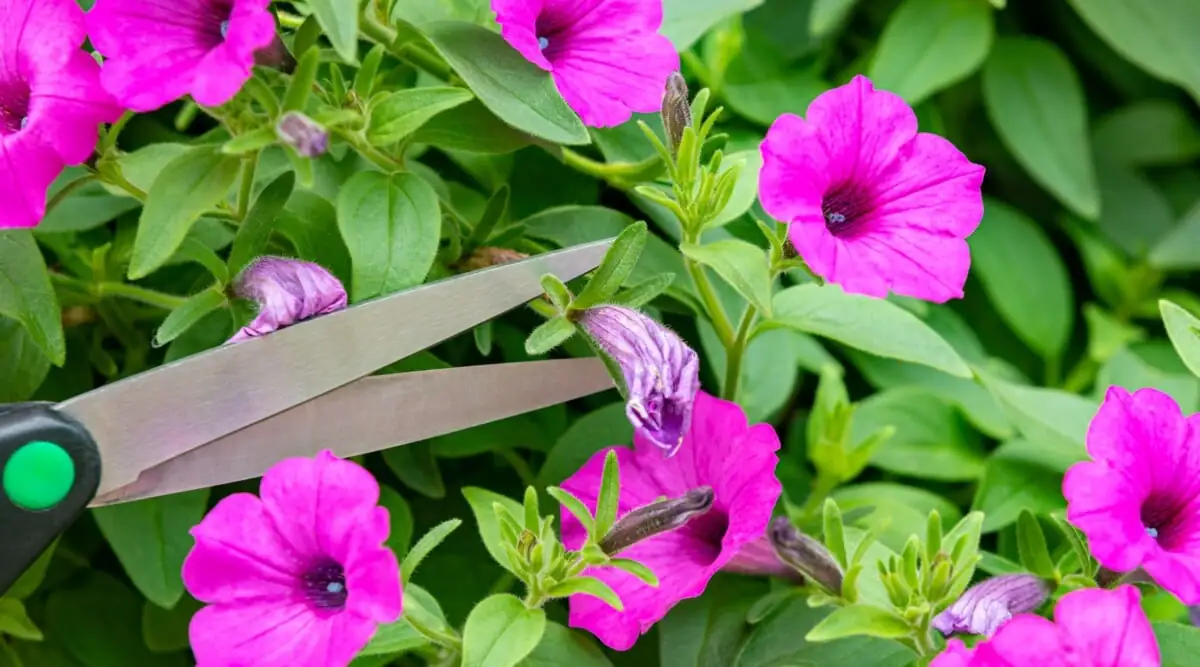
Pruning is more than just a haircut for your petunias; it’s a rejuvenating spa treatment. Pinch back young plants to encourage a bushier growth. Regular deadheading—removing spent blooms—keeps them looking fresh and encourages new flowers. If your petunias start looking leggy, don’t hesitate to trim them back by half. With a little water and nutrients, they’ll bounce back with a flourish of new blooms.
Soil and Environment: The Foundation of Growth
Petunias thrive in well-drained soil with a slightly acidic pH of about 6.0 to 6.5. Whether in the ground or containers, ensure your soil is rich in organic matter and offers good drainage. This prevents the dreaded root rot and keeps your petunias healthy and happy. Their adaptable nature shines in a variety of climates, although they prefer temperatures between 13–24°C (55–76°F). While they can handle a light frost, they’re not frost-hardy, so treat them as annuals in cooler regions.
Troubleshooting Common Issues: Keeping Them Blooming
Despite your best efforts, petunias may sometimes sulk. If they’re not blooming, check their sunlight exposure and feeding schedule. Yellowing leaves? This could indicate an iron deficiency or overwatering. Address these issues promptly to keep your petunias flourishing.
Petunias in Culture: The Language of Flowers
Beyond their visual appeal, petunias carry historical symbolism. In Victorian times, they were associated with comfort and calm, yet also with resentment after disagreements—a reminder that even the most cheerful flowers have stories to tell. Today, they symbolize the simple joy of summer and the vibrancy of life.
Fun Facts: The Wonders of Petunias
- Tiny Seeds, Big Impact: Petunia seeds are incredibly tiny, almost like a sprinkle of fairy dust—easy to lose on your fingertip!
- Evening Fragrance: Some petunias release a subtle fragrance in the evening, especially the older, white-flowered varieties.
- Colorful Challenge: There’s a petunia for almost every color in the rainbow, yet true blue remains elusive to breeders.
In summary, with the right balance of sunlight, water, and nutrients, petunias can transform any space into a vibrant tapestry of color and life. Whether you’re a seasoned gardener or a budding enthusiast, these tips will help you cultivate petunias that not only thrive but dazzle with their beauty. Happy gardening! 🌸