

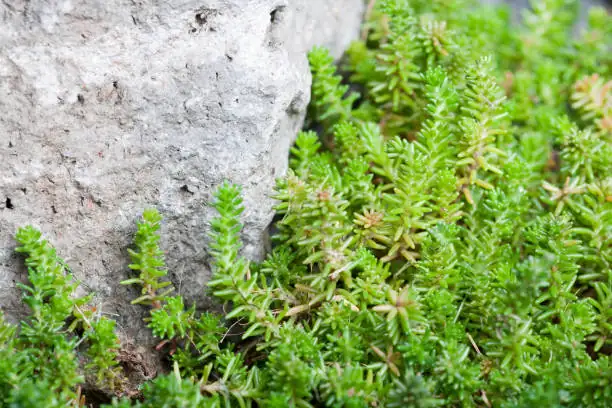
Turning one Sedum plant into many is like creating a symphony from a single note—it’s a process that’s as satisfying as it is effortless. Whether you’re a novice gardener or a seasoned green thumb, propagating Sedum, also known as Stonecrop, is a journey into the art of multiplication that requires minimal effort and brings maximum joy. Let’s dive into the world of Sedum propagation and discover how you can expand your garden with these resilient, charming succulents.
Understanding Sedum: Nature’s Resilient Artists
Sedum plants, known scientifically as Sedum spp. and related Hylotelephium spp., are members of the Crassulaceae family. They hail from the temperate and tropical mountain regions of the Northern Hemisphere, painting landscapes with their fleshy leaves and star-shaped flowers. These succulents are unpretentious, thriving in rocky areas, stone crevices, and even cliff habitats. Their ability to store water in their leaves makes them drought-tolerant and low-maintenance, perfect for busy gardeners and enthusiasts of sustainable gardening.
Propagation 101: Let’s Multiply
Stem Cuttings: The Art of Simple Snipping
One of the easiest ways to propagate Sedum is through stem cuttings. Here’s how you can do it:
- Select a Healthy Stem: Choose a stem that is healthy and robust, about 10-15 cm (4-6 in) long.
- Cut and Prepare: Use a clean, sharp knife or pruners to snip the stem. Remove the lower leaves to expose a few inches of stem.
- Rooting Medium: Plant the cutting in a gritty, well-draining soil mix. You can also root them in water, but ensure you transfer them to soil once roots develop.
- The Waiting Game: Place the cuttings in a bright, indirect light area. Water sparingly—let the soil dry out between watering. In a few weeks, you’ll notice roots forming.

Leaf Cuttings: Beauty in Every Leaf
If you’re feeling adventurous, try leaf cuttings:
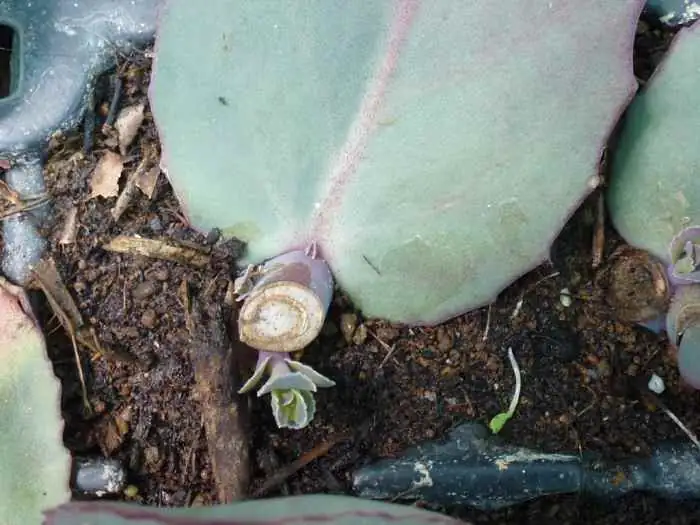
- Pick a Plump Leaf: Gently twist off a healthy, plump leaf from the base.
- Dry and Plant: Allow the leaf to dry for a day or two to prevent rot. Place it on top of a well-draining soil mix.
- Watch the Magic: Soon, tiny roots and new plantlets will appear at the base of the leaf.
Division: Double the Fun
For clumping varieties, division is your go-to method:
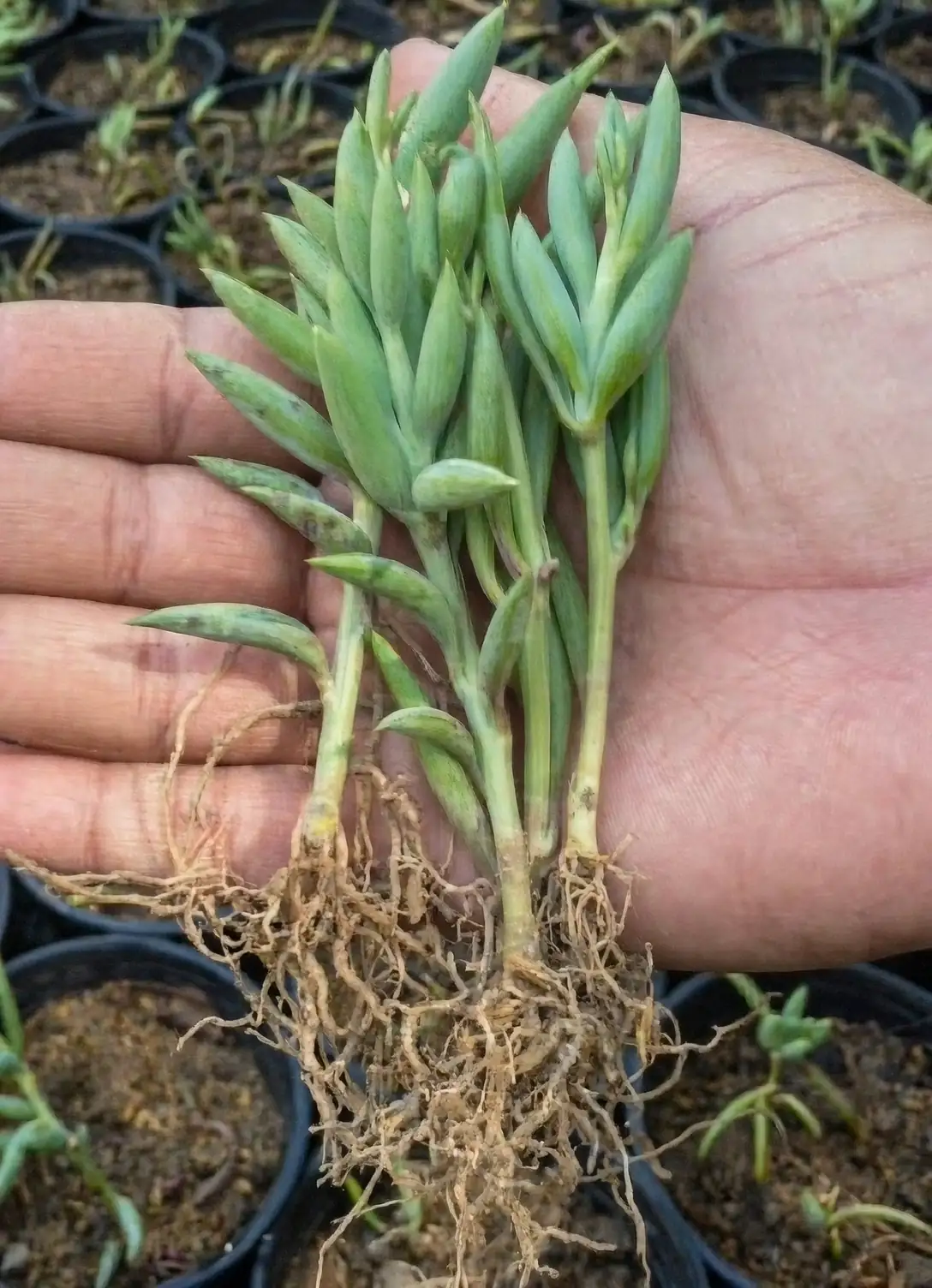
- Spot the Divide: Look for natural divisions or dead centers in the plant.
- Dig and Divide: Carefully dig up the plant and use a sharp spade or knife to separate it into sections.
- Replant: Plant the divisions in new locations or containers with fresh, gritty soil.
When to Propagate: Timing is Everything
Timing your propagation efforts can make all the difference. Stem cuttings are best taken in early summer before flower buds form. Division works well in spring when new growth emerges. For air layering, any active growth period will do.
Sedum in the Garden: Where and How
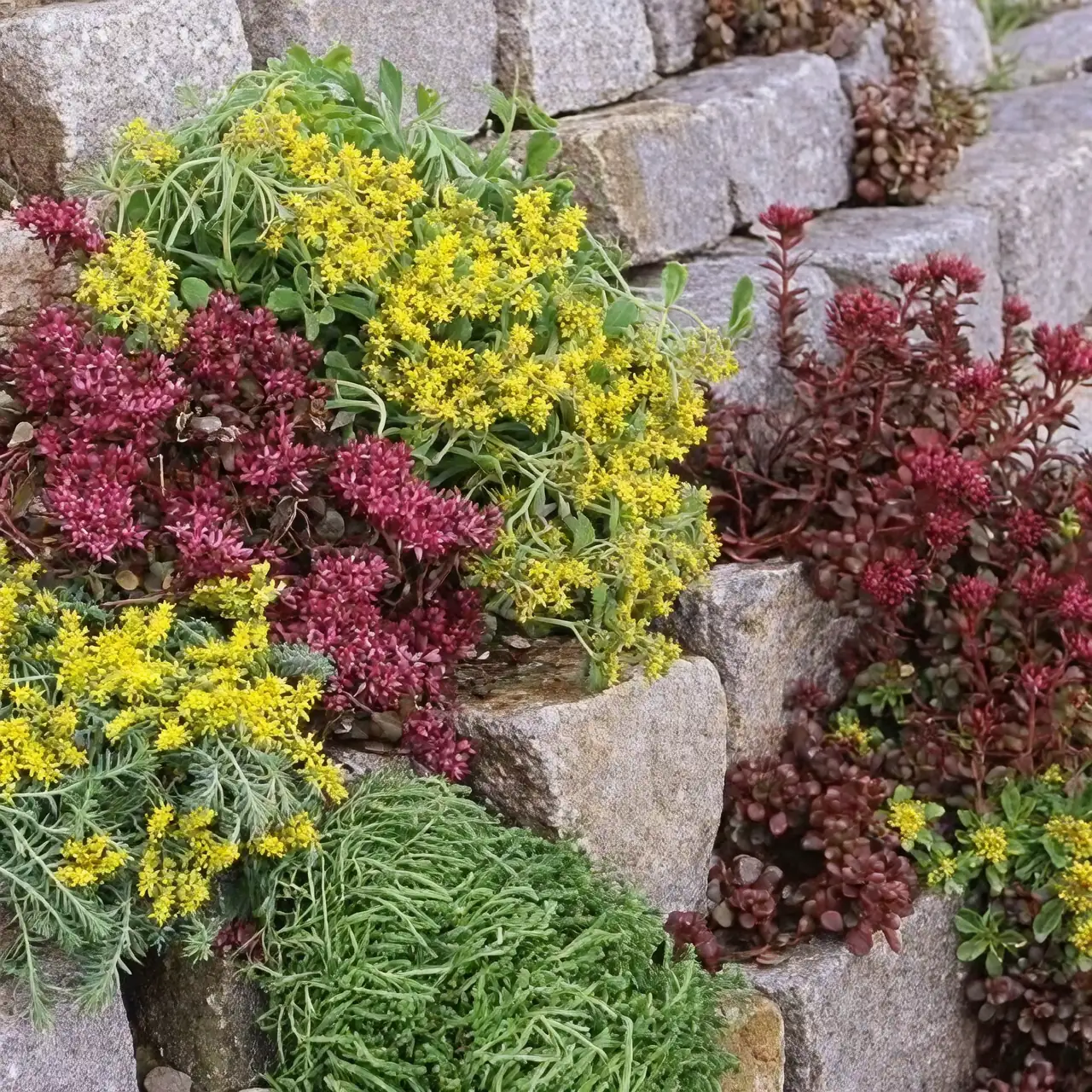
Sedums are versatile. They thrive in full sun, making them great candidates for rock gardens, green roofs, and sunny borders. Their drought tolerance makes them perfect for xeriscaping. Use them as ground covers to stabilize slopes or plant them in containers for a pop of color.
Care and Maintenance: Keep the Love Alive
- Watering: Adopt a “soak and dry” approach. Water thoroughly, then allow the soil to dry out completely.
- Fertilization: Minimal feeding is needed. A light dose of balanced fertilizer in spring can boost growth, but avoid over-fertilizing.
- Pruning: Trim dead or damaged growth in early spring. For upright sedums, pinching back stems can encourage bushier growth.
Troubleshooting: Common Puzzles
- Why isn’t my Sedum blooming? Ensure it gets at least 6 hours of direct sunlight.
- Leaves shriveling? Check for overwatering. Sedums are drought-tolerant but dislike soggy conditions.
Fun Facts: Did You Know?
- Sedums use CAM photosynthesis, taking in carbon dioxide at night—a clever adaptation for drought conditions.
- The name “Sedum” hints at their habit of sitting on rocks and walls, and ancient traditions believed they protected homes from storms.
With these simple techniques, you can turn one Sedum into a garden full of vibrant, hardy plants. It’s a testament to nature’s resilience and your green thumb prowess. So, grab your tools, embrace the art of propagation, and let your garden flourish with the timeless beauty of Sedum.


