
—
Dive Deep into Propagating Goeppertia makoyana: Unlock the Secrets of the Peacock Plant
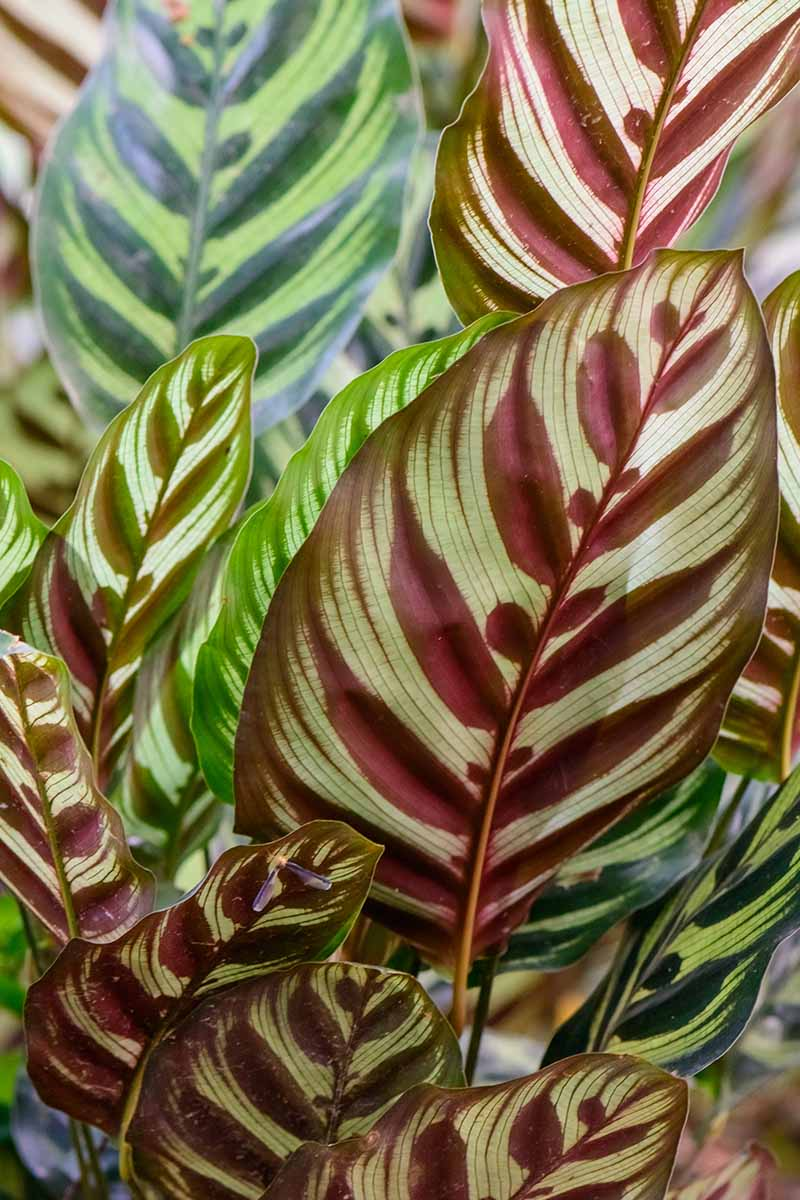
Imagine a plant so alive that its leaves fold up like hands in prayer each night, only to unfurl with the dawn. This is the Goeppertia makoyana, affectionately known as the Peacock Plant. With its striking foliage resembling the plumage of a peacock, this plant is a showstopper in any home. But what if you could multiply this beauty right at home? Let’s journey into the world of advanced propagation techniques and care tips for this tropical treasure.
Mastering the Art of Division
The most reliable way to propagate the Peacock Plant is through division. This method is like playing matchmaker for plants, ensuring each new section has the best chance to thrive. Here’s how you can start your propagation journey:
- Timing is Everything: Spring is your golden window. The plant is waking up from its winter slumber and ready to grow. Seize this moment to divide your plant.
- Preparation: Before you start, ensure your tools are clean to prevent disease. Have fresh potting mix ready, ideally a blend of peat-free houseplant mix and perlite to ensure good drainage.

- The Big Split: Carefully remove the plant from its pot and look for natural divisions in the roots. You’re looking for sections that have a healthy clump of roots and several leaves. Gently tease these sections apart.
- Planting: Pot each division in its own container with fresh soil. Ensure the pots have drainage holes to avoid waterlogging.
- The Aftercare: Place your new plant babies in a warm, humid spot with bright, indirect light. Think of it as setting the perfect ambiance for their new beginning.
Nurturing Your New Plants
Once you’ve successfully divided and potted your Peacock Plants, the real magic begins. Here’s how to ensure your plants grow into lush, vibrant specimens:
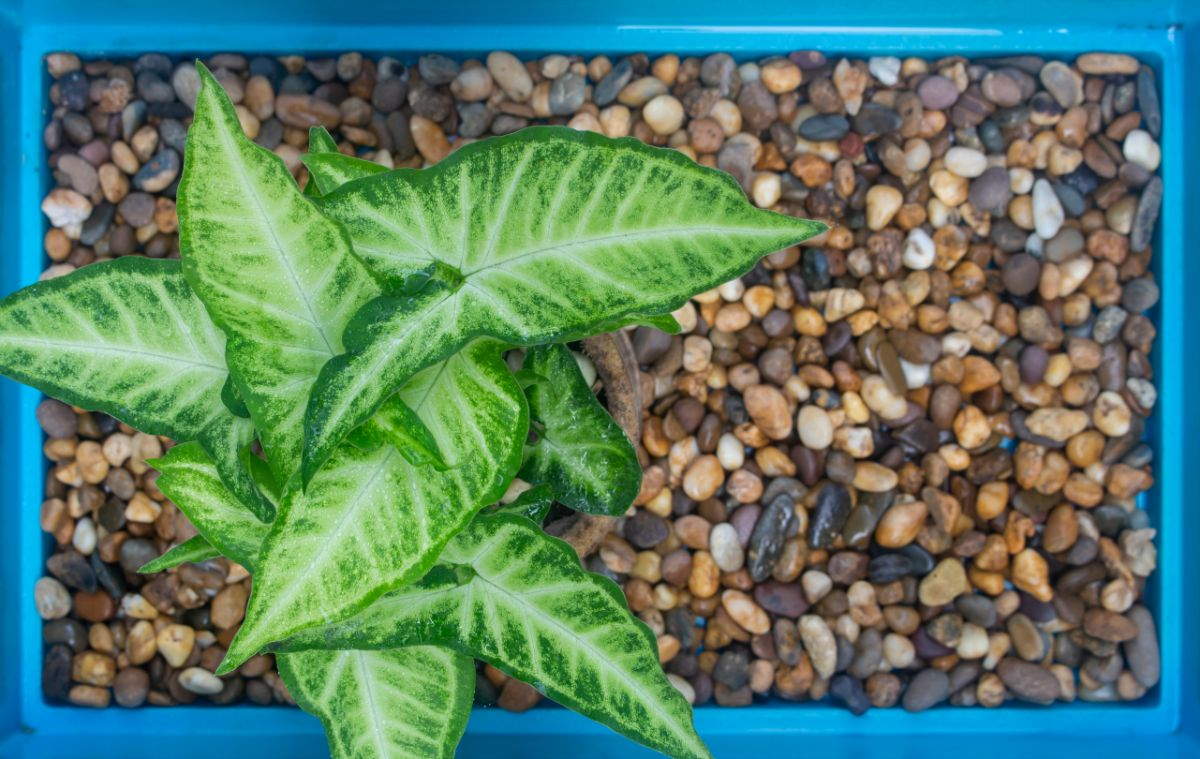
- Humidity, Humidity, Humidity: Goeppertia makoyana thrives in high humidity—aim for 60-80%. A humidifier can be your best friend here, or try placing the pots on pebble trays filled with water.
- Water Wisely: Keep the soil moist, but never soggy. Use rainwater or distilled water to avoid the dreaded browning leaf edges caused by minerals in tap water.
- Lighting: Bright, indirect light is key. Think of the dappled sunlight on the rainforest floor—this is the ambiance you want to recreate. Avoid direct sunlight, as it can scorch the leaves and fade those beautiful patterns.
- Temperature Control: Keep your plants in a cozy environment, ideally between 16-24°C (61-75°F). Avoid cold drafts which can stress your plants.
Troubleshooting Common Issues
Even with the best care, challenges may arise. Here are some quick fixes for common problems:
- Brown Leaf Edges? This often means low humidity or mineral-heavy water. Boost humidity and switch to purified water.
- Leaves Curling? Your plant is likely stressed. Check your watering routine, light exposure, and humidity levels.
- Pests: Spider mites can be a nuisance, especially in dry conditions. Regularly wipe leaves and use insecticidal soap if needed.
The Symbolism of the Peacock Plant
Beyond its aesthetic allure, the Peacock Plant embodies beauty and quiet elegance, much like the stained glass windows of a cathedral. It’s a symbol of hope, gratitude, and new beginnings—an embodiment of the calming rhythm of a harmonious home. Watching its leaves dance in the subtle rhythm of day and night, one can’t help but feel a connection to the natural world.
A Final Thought
The Goeppertia makoyana is not just a plant; it’s a living artwork that brings the beauty of the tropical rainforest into your home. With a little patience and the right techniques, you can multiply this beauty and share it with the world. So, why not give propagation a try? Your own little indoor rainforest awaits.