
Unveiling the Beauty and Symbolism of Goeppertia makoyana: The Peacock Plant
Imagine a plant that dances as it sleeps, with leaves that transform your living space into a serene, harmonious haven. Enter Goeppertia makoyana, commonly known as the Peacock Plant or Cathedral Windows. This botanical marvel, with its hand-painted foliage, has captured hearts far beyond its native Brazil, extending its influence into the realms of symbolism and spirituality across cultures.
A Living Canvas: The Peacock Plant’s Alluring Aesthetics
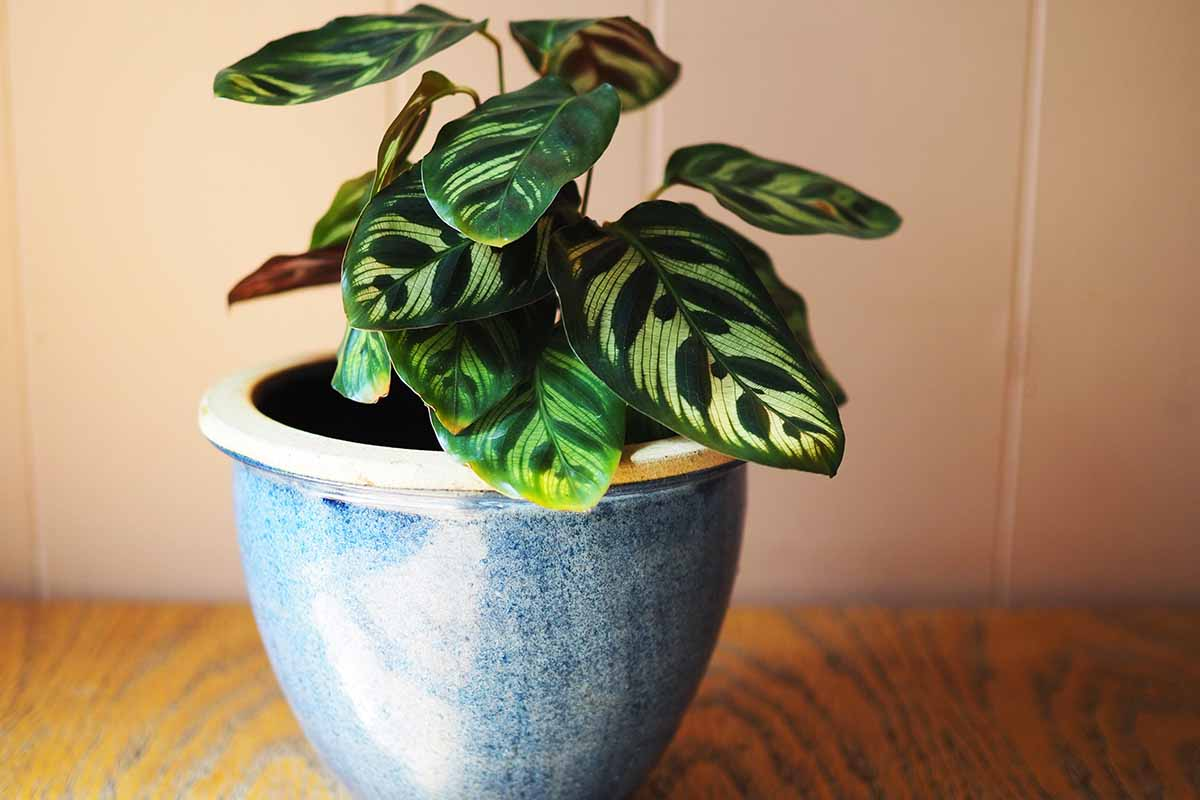
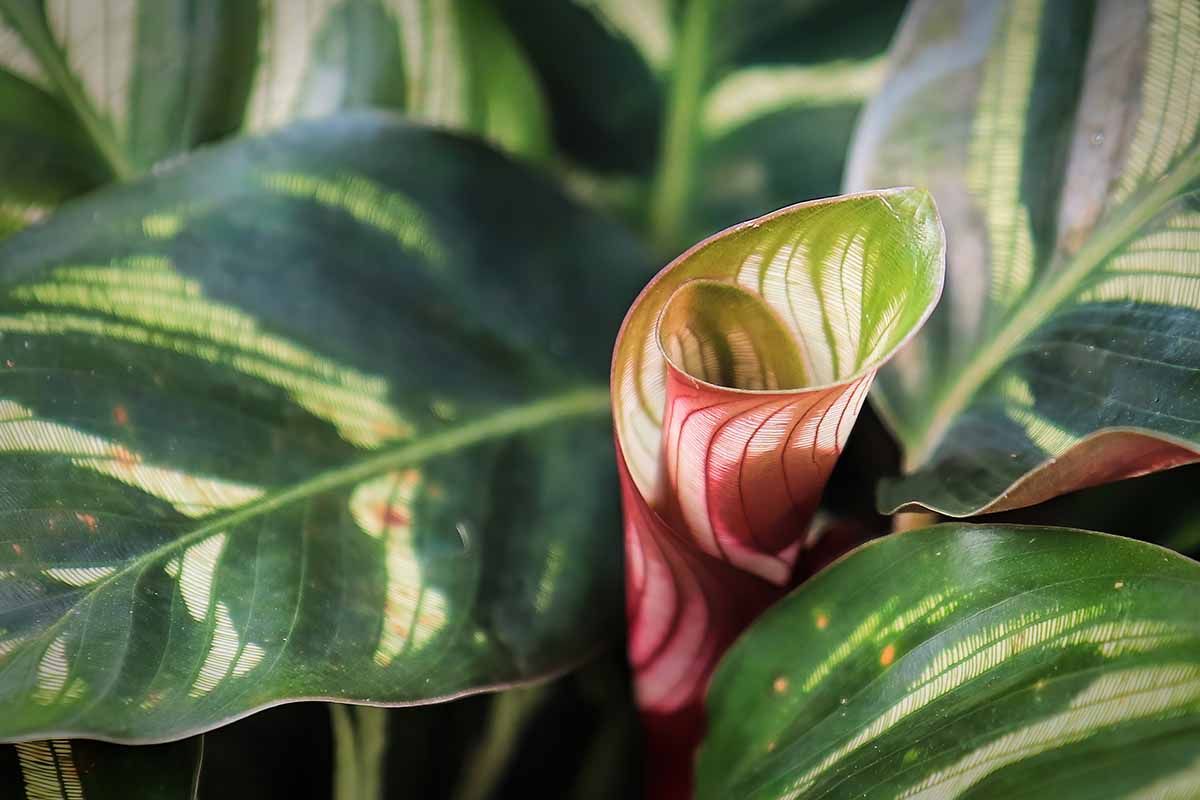
The Peacock Plant is not just a plant—it’s a work of living art. Each leaf, a masterpiece in its own right, showcases a silvery to light green backdrop adorned with dark green, feather-like brushstrokes reminiscent of a peacock’s plumage. Flip the leaf, and you’ll find a rich wine-red underside, adding an extra layer of mystery and allure. This plant’s nyctinastic movement, or “prayer movement,” where its leaves rise and fall with the sun, evokes a sense of rhythm and life, making it a captivating presence in any room.
Symbolism and Spiritual Resonance
The Language of Leaves: Gratitude and Hope
In the language of flowers (花语), Goeppertia makoyana is a symbol of beauty and quiet elegance. But the symbolism runs deeper. As a member of the “prayer plant” family, it represents gratitude, hope, and new beginnings. The plant’s nightly leaf-folding habit is a physical manifestation of these qualities—a nightly ritual of thanks and a gentle reminder of life’s cyclical nature. This movement is often seen as a metaphor for turning inward, reflecting on the day, and preparing for the fresh opportunities of tomorrow.
Harmonizing Spaces
Beyond personal symbolism, the Peacock Plant is a harbinger of harmony and tranquility. Its presence in a home or office is believed to foster a calm and serene environment—an ideal companion for those seeking peace and balance in their surroundings. The gentle rustle of its leaves as they shift positions can be a soothing reminder of the plant’s living, breathing essence, akin to the calming effect of a gentle breeze.
Cultural Context: A Plant of Many Names
The Peacock Plant’s journey through taxonomy has seen it labeled under various aliases, including Calathea makoyana and Cathedral Windows. Regardless of its name, this plant has maintained its reputation as an emblem of elegance and beauty. Its ornamental value is celebrated worldwide, yet few know its deeper connections to gratitude and harmony.
A Touch of the Tropics: Caring for Your Peacock Plant
Bringing this touch of the tropics into your home requires a bit of dedication, but the rewards are worth every effort. The Peacock Plant thrives under bright, indirect light and high humidity, mirroring its native rainforest understory environment. Keep it warm and its soil evenly moist, and it will reward you with vibrant, healthy foliage.

Common Questions and Troubleshooting
- Why are the leaf edges turning brown?
- This could be due to low humidity, mineral-heavy tap water, or inconsistent watering. Raise humidity, ensure consistent watering, and use distilled or rainwater for best results.
- Can it handle low light?
- While it tolerates lower light better than direct sun, its growth and leaf patterning will flourish best in bright, indirect light.
- Why do the leaves move at night?
- This is due to nyctinasty, where a joint at the leaf base changes water pressure, causing the leaves to rise or fall with the day-night cycle.
Final Thoughts: Embracing the Peacock Plant’s Energy
In a world where plants often serve as mere decorations, Goeppertia makoyana stands as a symbol of deeper meanings—gratitude, hope, and harmony. The Peacock Plant is not just an addition to your botanical collection; it’s an invitation to embrace tranquility and beauty, a reminder to pause and reflect, much like its gentle nightly movements. Whether you’re drawn to its stunning foliage or its spiritual symbolism, this plant promises to enrich your space with its dynamic presence and timeless grace.