Unveiling the Enchanting Journey of the Peacock Plant: From Brazilian Rainforests to Your Living Room
Imagine a plant that not only captivates with its vibrant, hand-painted leaves but also performs a gentle dance as night falls. This is the story of Goeppertia makoyana, commonly known as the Peacock Plant. With its origins rooted in the tropical rainforests of eastern Brazil, this plant has traveled a fascinating path to become a cherished houseplant across the globe.
The Native Origins of a Tropical Marvel
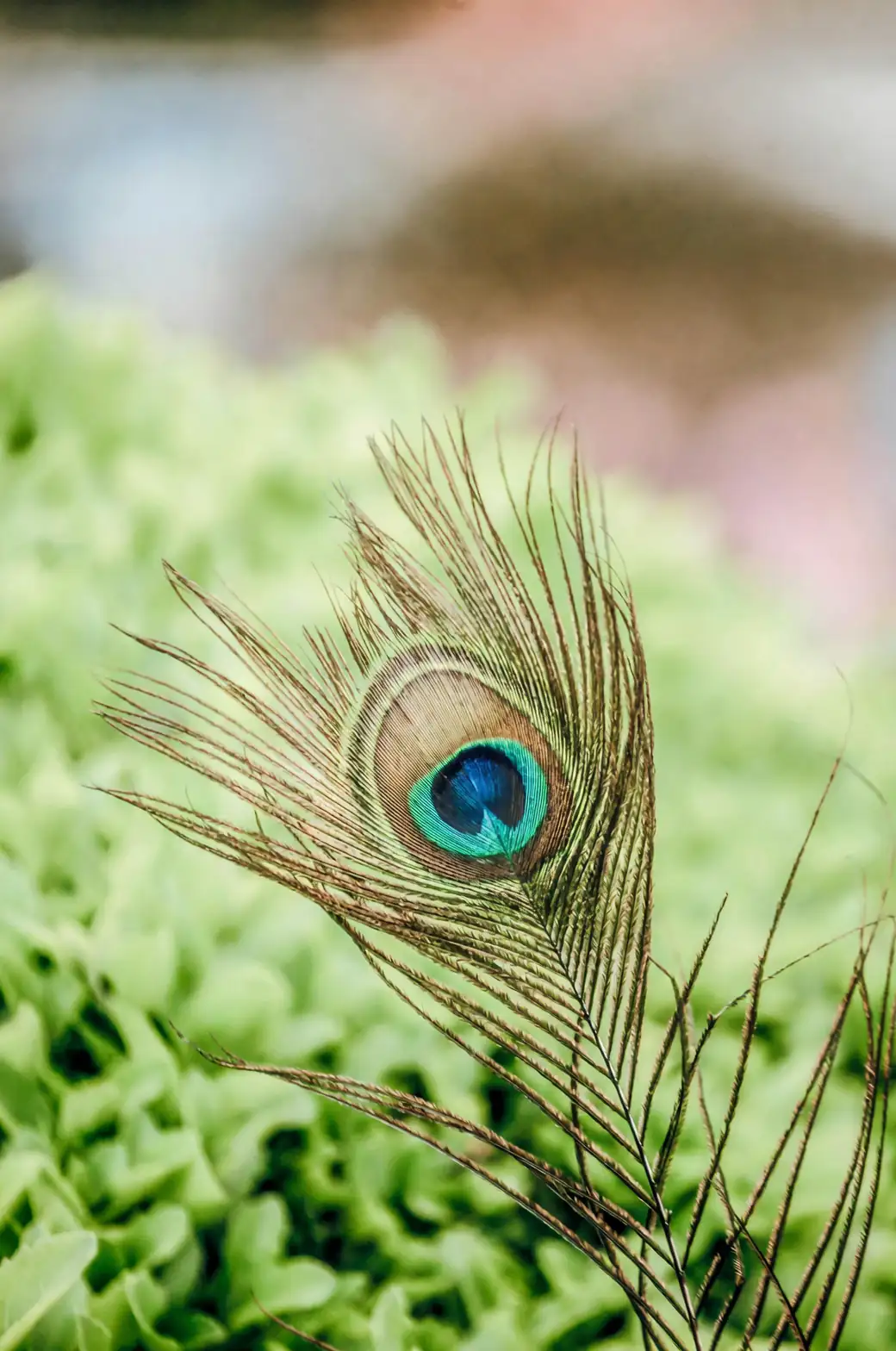
Nestled within the dense understory of Brazil’s Espírito Santo state, the Peacock Plant thrives in warm, humid conditions with dappled light filtering through the canopy above. This environment shapes its striking appearance and distinctive habits. The plant’s oval leaves, reminiscent of peacock plumage or stained glass windows, feature a silvery-green background adorned with dark green feather-like markings. But the real surprise comes at night, when these leaves elegantly fold upward in a nightly ritual known as nyctinasty—a graceful nod to its “prayer plant” moniker.
From the Jungle to Your Home
The journey from the Brazilian rainforest to becoming a beloved houseplant is a testament to the Peacock Plant’s adaptability and allure. As explorers and botanists ventured into South America, they discovered this botanical gem and introduced it to horticultural enthusiasts worldwide. Despite its relocation, the Peacock Plant remains a finicky yet rewarding houseguest, demanding specific care to flourish.
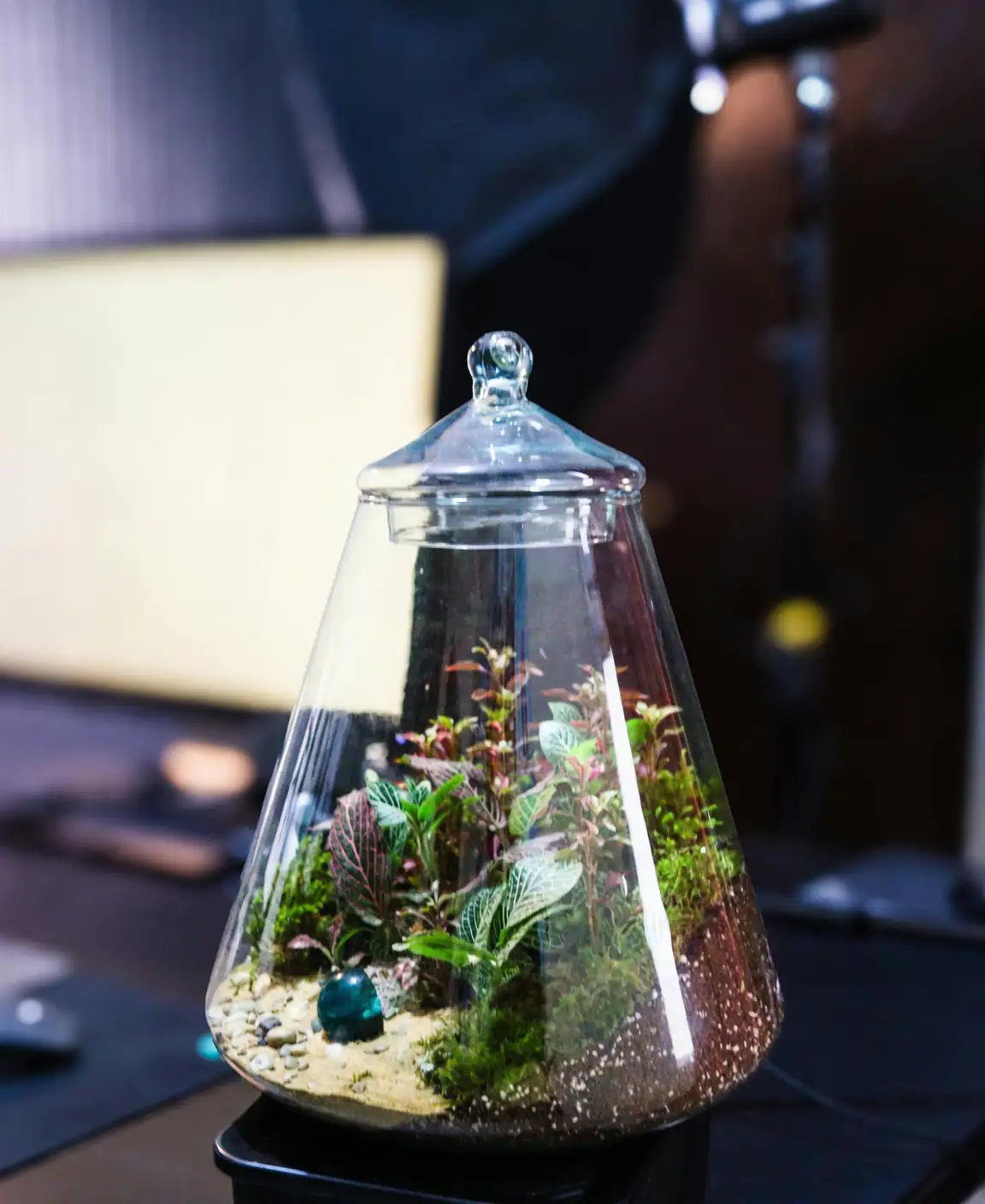
Creating a Mini-Rainforest at Home
To keep your Peacock Plant thriving, aim to mimic its native habitat:
- Light: Provide bright to medium indirect light, avoiding harsh direct sunlight that can scorch its leaves.
- Humidity: Maintain high humidity levels, ideally between 60-80%. A humidifier or pebble trays can work wonders in achieving this.
- Temperature: Keep it cozy with temperatures ranging from 16-24°C (61-75°F) and avoid cold drafts.
- Soil: Use a moisture-retentive but well-draining mix, ensuring the roots are neither dry nor waterlogged.
The Science and Art of Care
Caring for a Peacock Plant is akin to a delicate dance. It dislikes dry air and mineral-heavy water, and it thrives on consistency. Regular watering, using rain or distilled water, helps prevent the common issue of browning leaf edges. During its active growth phase, a bi-weekly feeding with a balanced liquid fertilizer at half strength will keep it vibrant.
A Symbol of Beauty and Hope
Beyond its physical beauty, the Peacock Plant carries a rich tapestry of symbolism. In many homes, it represents beauty, gratitude, and new beginnings. Its nightly leaf movements have inspired notions of spiritual harmony and a peaceful home environment. The plant’s serene presence can even be seen as a living metaphor for the calm and hope we all seek.
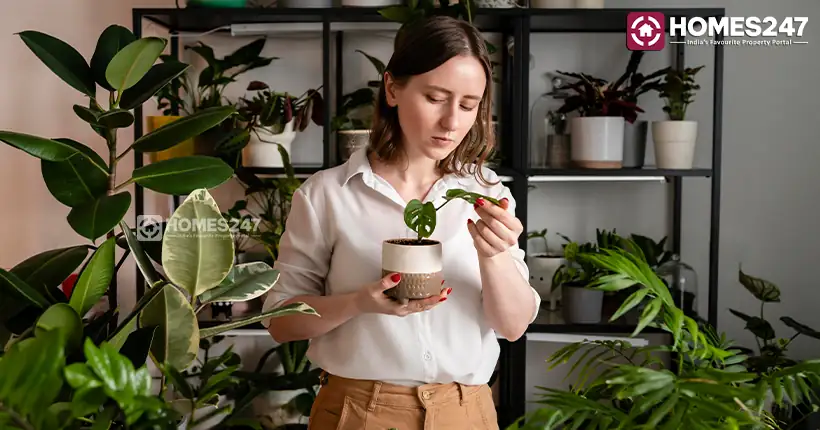
The Charm of Living Art
The Peacock Plant, with its exquisite foliage and dynamic movements, is more than just a plant—it’s a piece of living art. Its nickname, “Cathedral Windows,” perfectly captures the intricate patterns that adorn its leaves, inviting admiration and curiosity.
In an era where biophilic design is celebrated for enhancing well-being, the Peacock Plant stands out as an embodiment of nature’s elegance. Whether you’re a seasoned plant enthusiast or a novice, its captivating beauty and gentle presence are bound to inspire awe and connection to the natural world.
So, if you’re looking to add a splash of the exotic to your home, consider inviting Goeppertia makoyana into your space. With the right care, you’ll be rewarded with a plant that not only livens up your decor but also brings a touch of the rainforest’s enchanting spirit into your everyday life.