

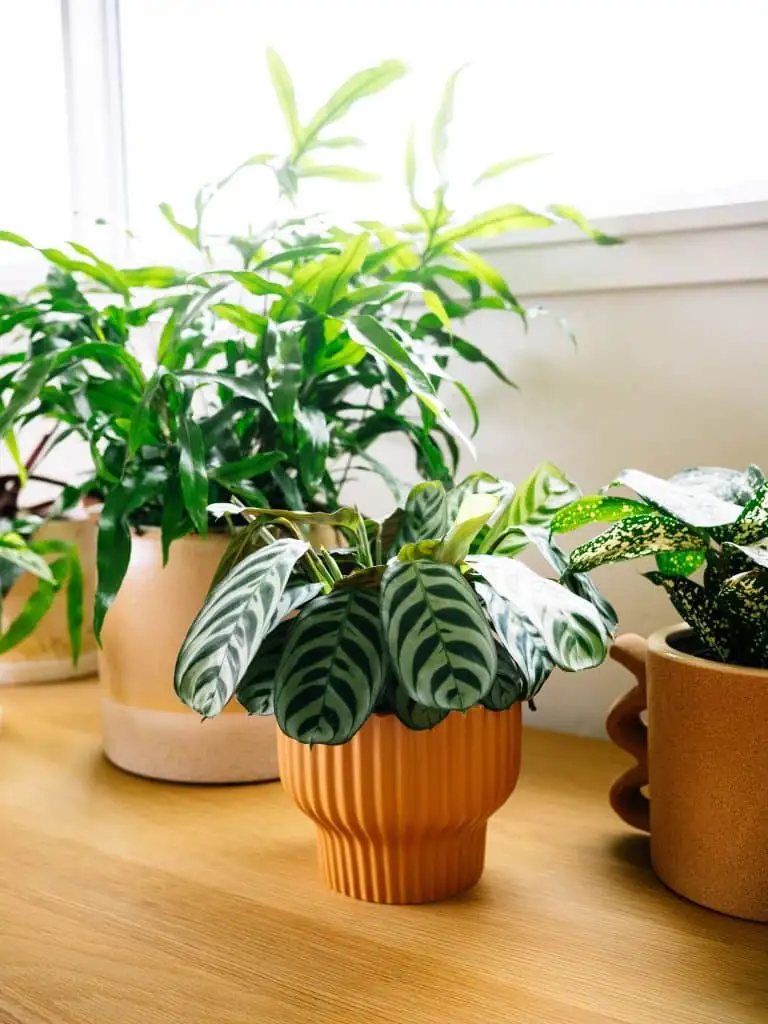
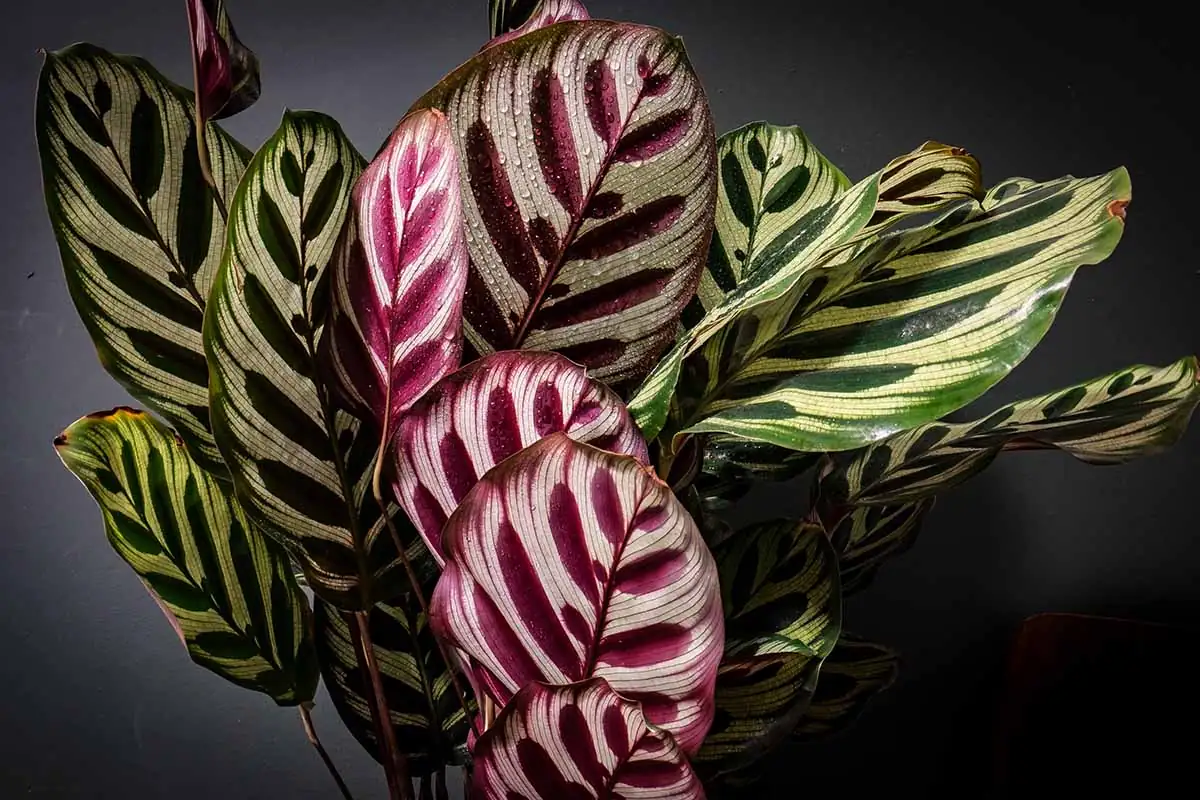
The Goeppertia makoyana, affectionately known as the Peacock Plant, is an indoor gardener’s delight and occasional headache. With its stunning foliage that mimics the extravagant tail feathers of a peacock, this plant demands attention. However, maintaining its beauty can be a delicate dance, especially when pests like spider mites and issues like root rot come into play. Let’s dive into these common challenges and explore effective solutions to keep your Peacock Plant thriving.
Understanding Your Peacock Plant’s Needs
Before we tackle pest issues, it’s crucial to understand what makes the Peacock Plant tick. Native to the lush tropical forests of Brazil, Goeppertia makoyana thrives in warm, humid environments with gentle, indirect light. It’s the quintessential diva of the plant world, requiring consistent care and attention to detail.
Growth and Environment
- Light: Position your plant in bright, indirect light to maintain its vibrant leaf patterns. Direct sunlight can scorch its delicate leaves, while too little light may cause the patterns to fade.
- Temperature and Humidity: Aim to keep temperatures between 16–24°C (61–75°F) and humidity levels high, around 60–80%. This mimics its natural habitat and helps prevent stress.
- Soil and Watering: Use a well-draining, moisture-retentive mix. Water when the top inch of soil feels dry, but avoid letting it sit in soggy soil to prevent root rot.
Common Pest Issues and Solutions
Spider Mites: Tiny Terrors
Spider mites are the bane of many houseplants, and the Peacock Plant is no exception. These minuscule pests thrive in dry conditions and can suck the life out of your plant’s leaves, leaving a stippled, drained appearance.
Detection and Treatment:
- Look for: Fine webbing and tiny moving dots on the undersides of leaves. If you suspect an infestation, isolate the plant immediately.
- Combat them: Increase humidity around your plant, as spider mites dislike moist environments. Regularly wipe leaves with a damp cloth and consider using insecticidal soap or neem oil for persistent issues.
Root Rot: The Silent Threat
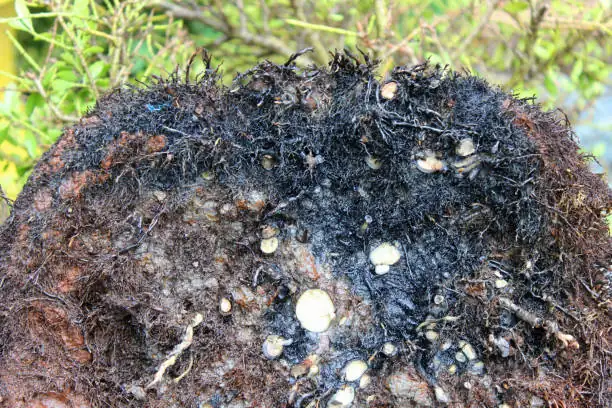
Root rot is a common yet stealthy adversary, often resulting from overwatering or poor drainage. Once it sets in, it can be tricky to reverse.
Prevention and Cure:
- Check for: Mushy roots and a sour smell emanating from the soil. If the leaves yellow and wilt despite watering, root rot may be the culprit.
- Prevent it: Ensure your pot has proper drainage and avoid letting the plant sit in waterlogged soil. If rot occurs, trim affected roots and repot the plant in fresh soil.
Maintaining a Healthy Peacock Plant
Regular Care Routine
Keeping your Peacock Plant happy is all about consistency and a little extra TLC.
- Humidity: Use a humidifier or pebble tray to maintain high humidity levels, especially during dry winter months.
- Water Quality: Opt for rainwater, distilled, or filtered water, as hard tap water can lead to leaf browning due to mineral buildup.
- Fertilization: Feed every two weeks during the growing season with a balanced liquid fertilizer, but reduce feeding in winter.
Propagation and Pruning
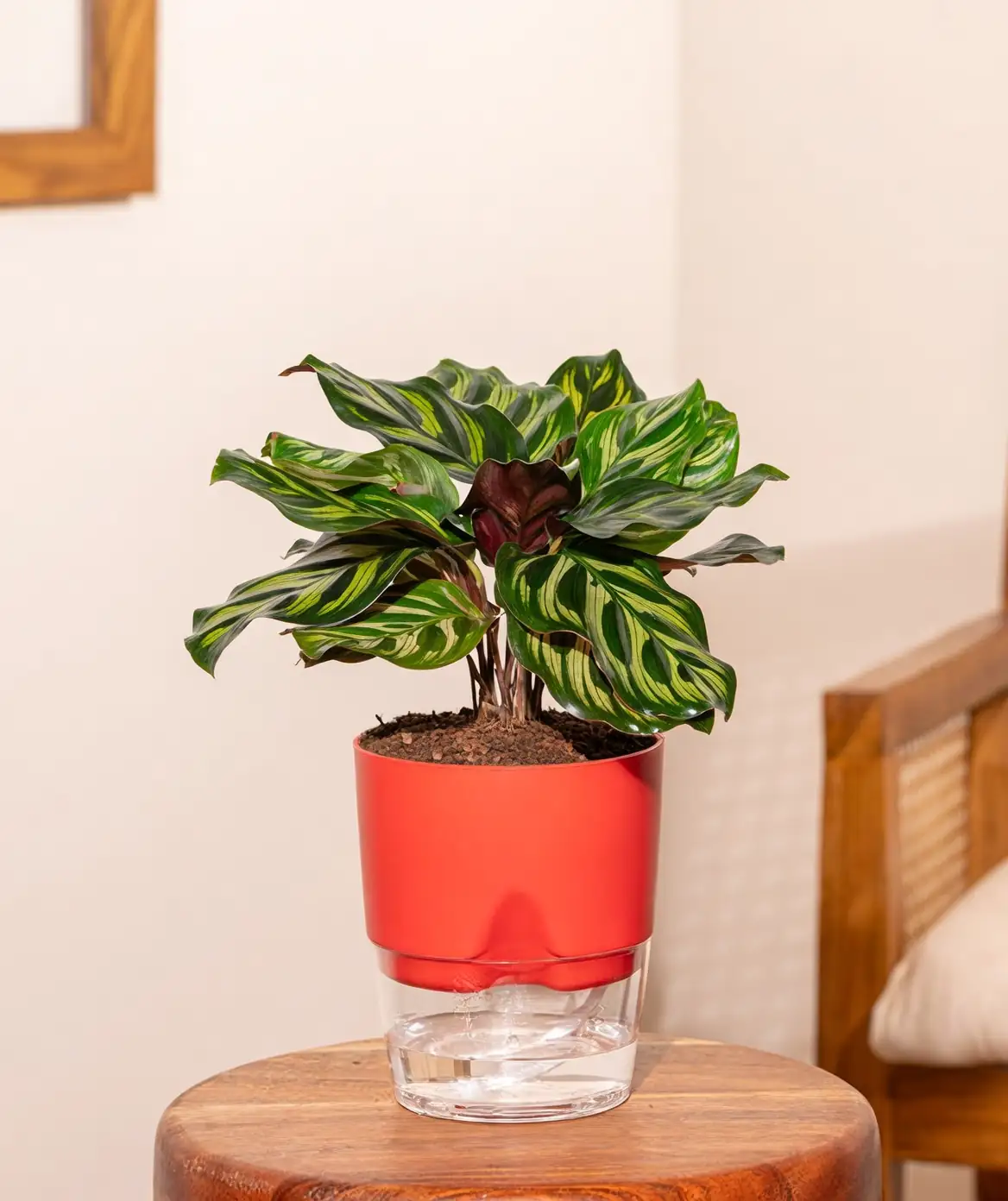
While it may not be the easiest plant to propagate, division during repotting is your best bet. Simply split a healthy clump, ensuring each section has roots and several leaves.
Pruning isn’t typically necessary, but you can remove yellowing or damaged leaves to keep your plant looking its best. This not only tidies up the plant but also encourages new growth.
Embracing the Beauty of the Peacock Plant
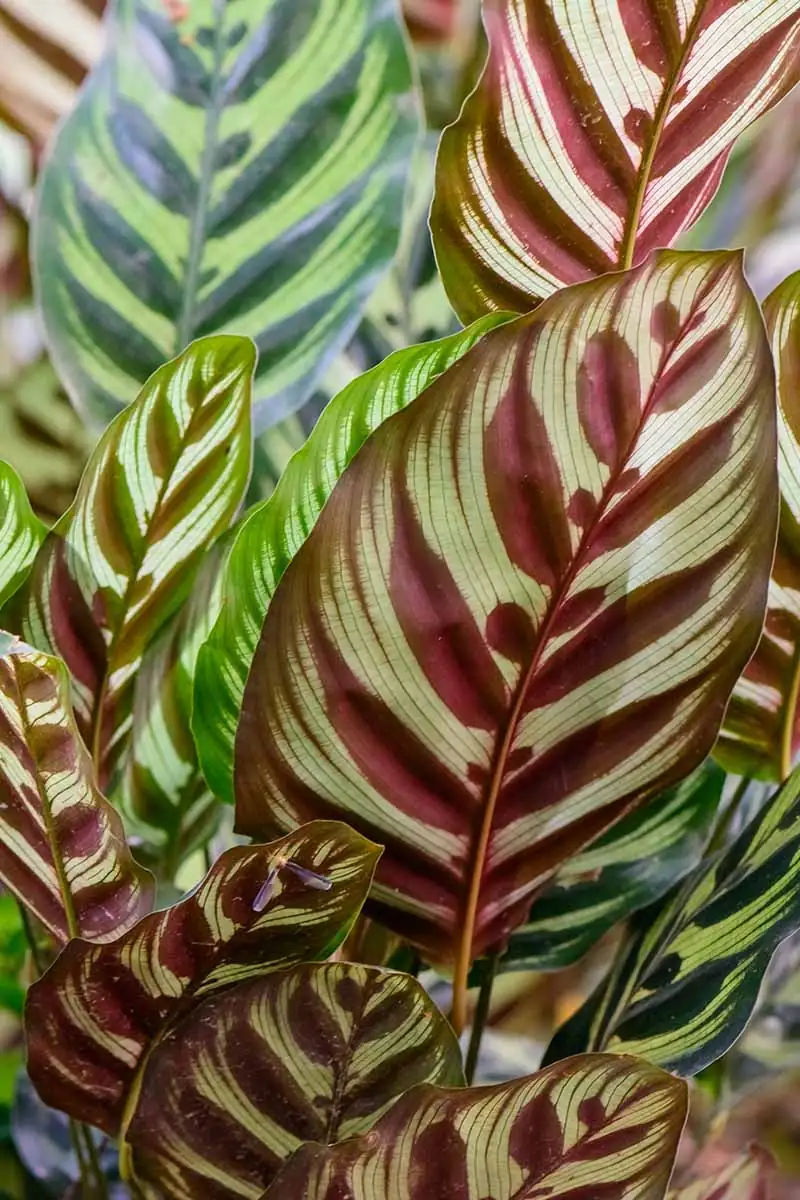
With its striking leaves that resemble stained glass windows, the Peacock Plant is more than just an ordinary houseplant—it’s a living piece of art. Its nightly leaf-folding habit, a phenomenon known as nyctinasty, adds to its charm, making it a dynamic addition to any home.
The Symbolism Behind the Plant
In the world of flower language, the Peacock Plant often symbolizes beauty, elegance, and a harmonious, peaceful home. Its unique ‘prayer’ movement is a gentle reminder of gratitude and hope, making it a perfect companion for those seeking tranquility and a touch of nature’s artistry indoors.
By understanding and addressing the specific needs and challenges of the Goeppertia makoyana, you can enjoy not just its visual splendor but also the satisfaction of nurturing a plant that brings life and color to your space.


