
Bringing plants into your bedroom can turn it into a serene sanctuary, where you can unwind and recharge after a long day. Not only do they add a splash of greenery and style, but they also purify the air and improve your mood. So, let’s dive into some practical tips for arranging plants in your bedroom to create a peaceful and inviting space.
Understand Your Space and Light Conditions
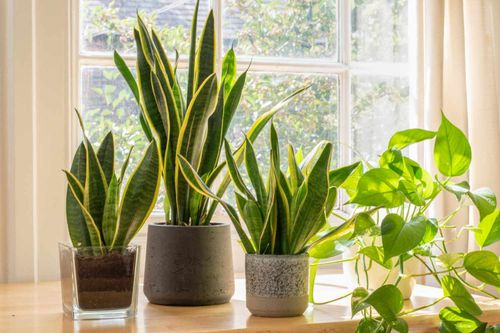
Before you start, assess your bedroom’s light levels. South-facing windows typically offer the most sunlight, perfect for sun-loving plants like succulents or cacti. If your room is on the dimmer side, opt for low-light champions like snake plants or pothos. Position these plants near windows or on shelves that receive indirect sunlight to avoid scorching their leaves.
Quick Tip:
- Low-Light Plants: Snake plants, pothos, and ZZ plants thrive in low-light environments.
- Sun-Loving Plants: Succulents and cacti bask in bright, indirect sunlight.
Create Visual Interest with Groupings
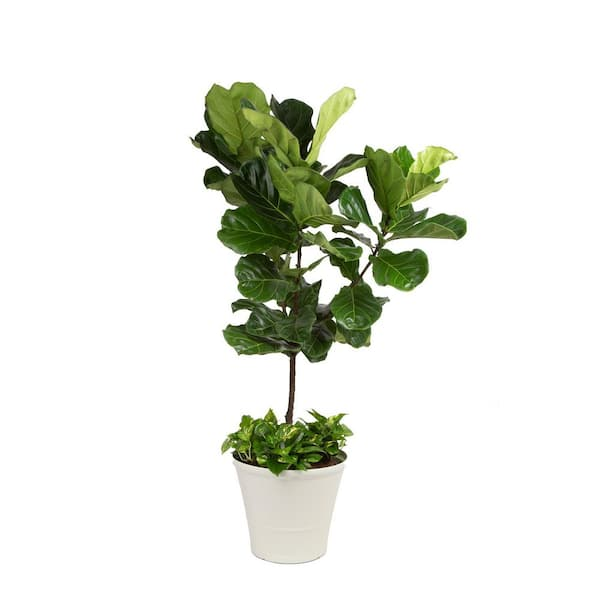
When arranging plants, grouping them can create a dynamic and harmonious display. Use the rule of three to keep things visually interesting. Combine plants with varying heights, shapes, and textures. For example, pair a tall fiddle-leaf fig with a bushy fern and a trailing pothos for a layered look.
Pro Tip:
- Odd Numbers: Arranging plants in odd numbers (like 3 or 5) tends to look more natural and casual.
- Mix and Match: Combine different leaf shapes and sizes for added visual appeal, like broad monstera leaves with delicate fern fronds.
Use Plant Stands and Shelves to Add Dimension
Incorporate plant stands and shelves to vary the height of your plant display. This not only maximizes vertical space but also draws the eye upwards, creating a sense of depth. Place taller plants on the floor, medium ones on stands, and smaller ones on shelves or windowsills.
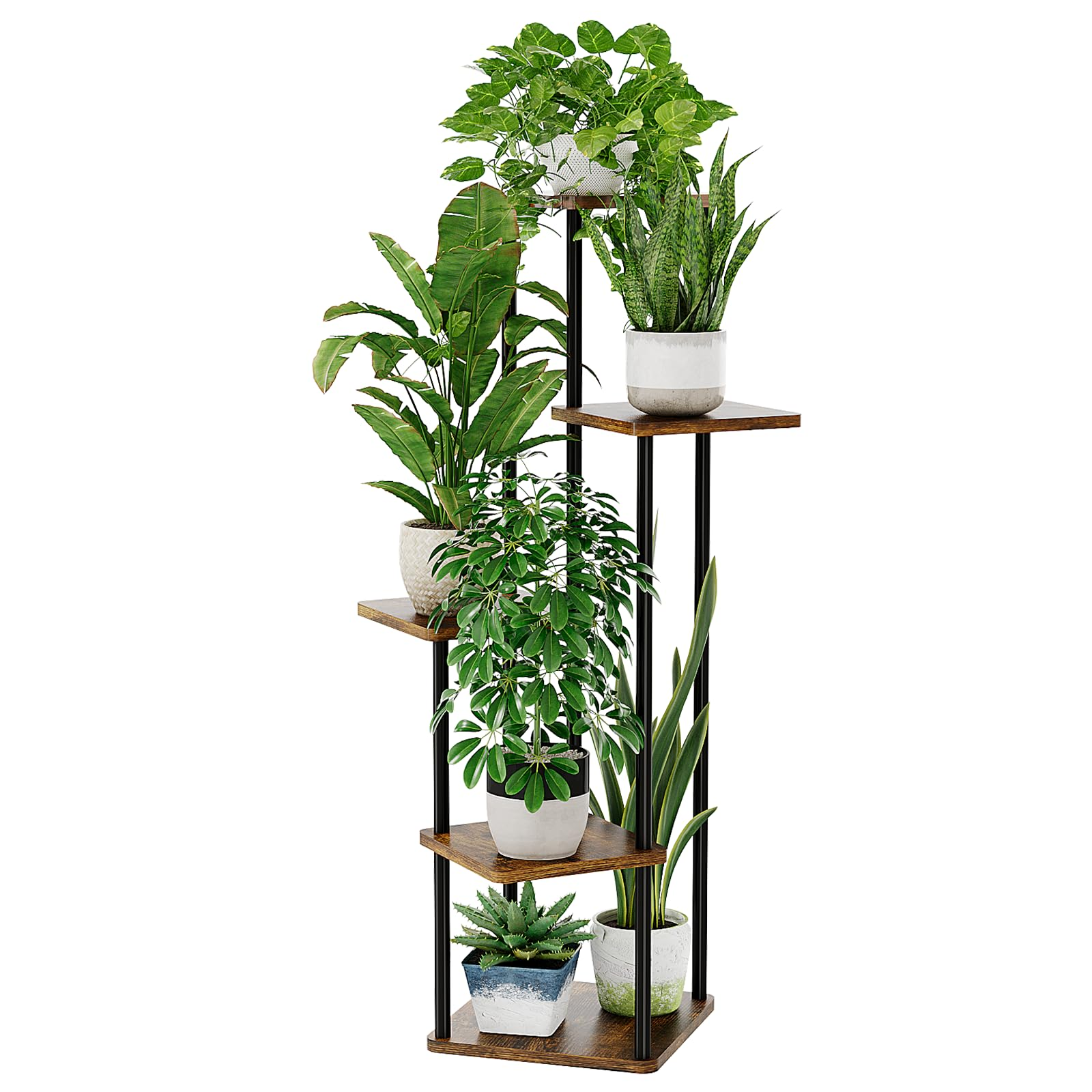
Example Setup:
- Floor: Fiddle-leaf fig or rubber plant.
- Stand: Medium-sized peace lily or dracaena.
- Shelf: Spider plant or small succulent.
Consider Maintenance and Care
Each plant has its own care requirements, so be sure to choose ones that fit your lifestyle. If you’re often busy, opt for low-maintenance plants that can tolerate some neglect, like pothos or snake plants. Regularly check for water needs, as overwatering is a common mistake that can lead to root rot.
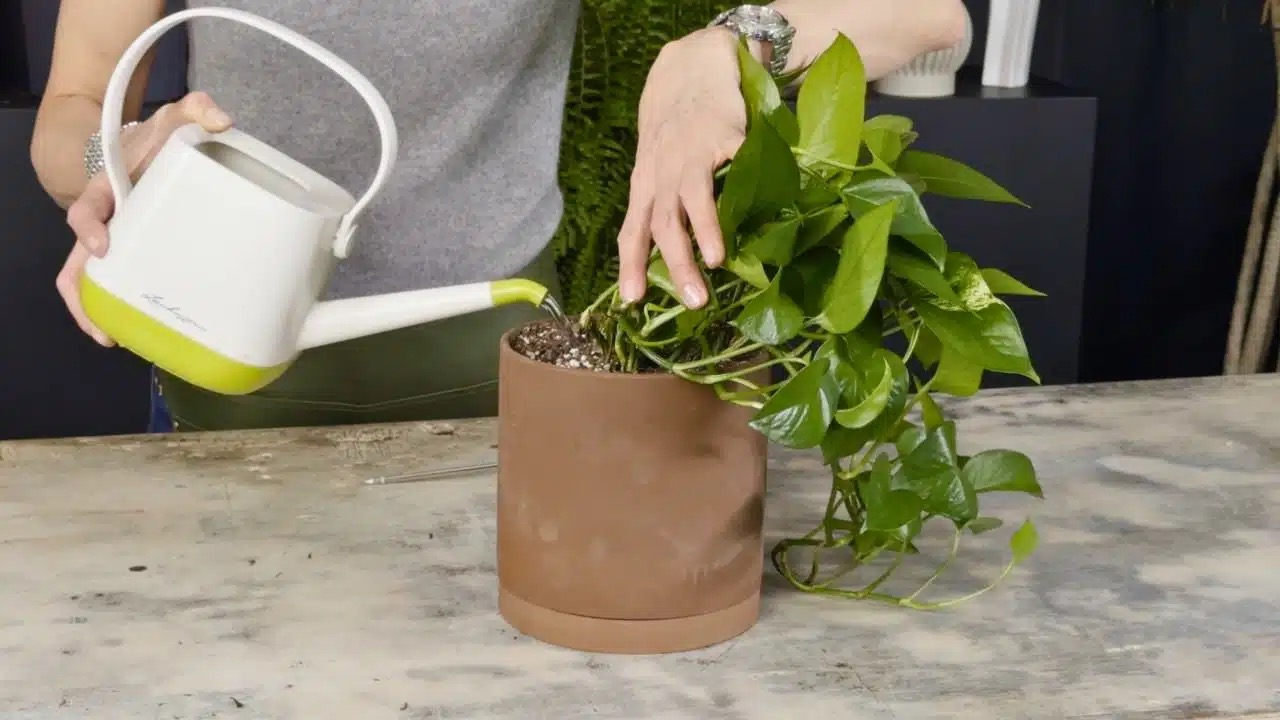
Common Pitfalls:
- Overwatering: Check soil moisture before watering; most houseplants prefer to dry out slightly between waterings.
- Neglecting Light Needs: Make sure each plant gets the right amount of light; too little or too much can hinder growth.
Final Thoughts
Arranging plants in your bedroom is an art that combines beauty with practicality. By understanding your space, using creative groupings, and considering plant care, you can craft a calming oasis that brings nature indoors. Whether you’re a plant newbie or a seasoned green thumb, these tips will help you curate a bedroom that is not only stylish but also a haven of tranquility. So go ahead, let your bedroom bloom!