

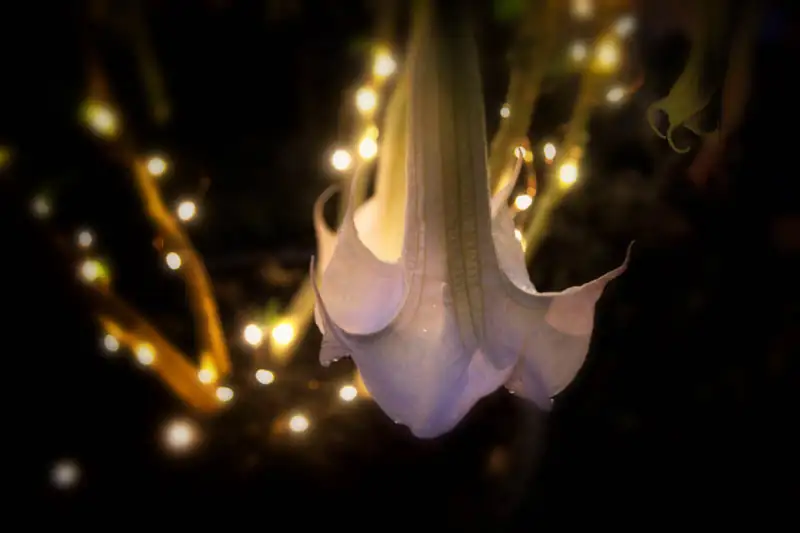
Picture a moonlit garden where the air is rich with a scent so captivating that it seems to weave a spell around all who step into its embrace. This is the magical realm of Brugmansia spp., commonly known as Angel’s Trumpet. But why does this alluring fragrance peak at night? Let’s delve into the nocturnal world of Brugmansia, exploring its pollination strategies and the unique aromas that waft through the darkness.
Nighttime Enchantment: The Fragrance of Brugmansia
Brugmansia’s fragrance is a masterclass in timing. As day turns to dusk, these plants release a potent perfume designed to entice nocturnal pollinators. But why at night? The answer lies in their evolutionary dance with nature. In their native habitats of tropical South America, Angel’s Trumpets are primarily pollinated by moths—creatures of the night. By releasing their fragrance under the cover of darkness, Brugmansia ensures that its alluring scent reaches the intended audience precisely when it can do the most good.
This nocturnal scent is not just a survival tactic; it is an olfactory delight for humans, too. Imagine relaxing on a warm evening as the sun slips below the horizon, the air suddenly filled with a sweet, heady aroma. This is Brugmansia’s gift to gardeners and night owls alike.
The Science of Smell
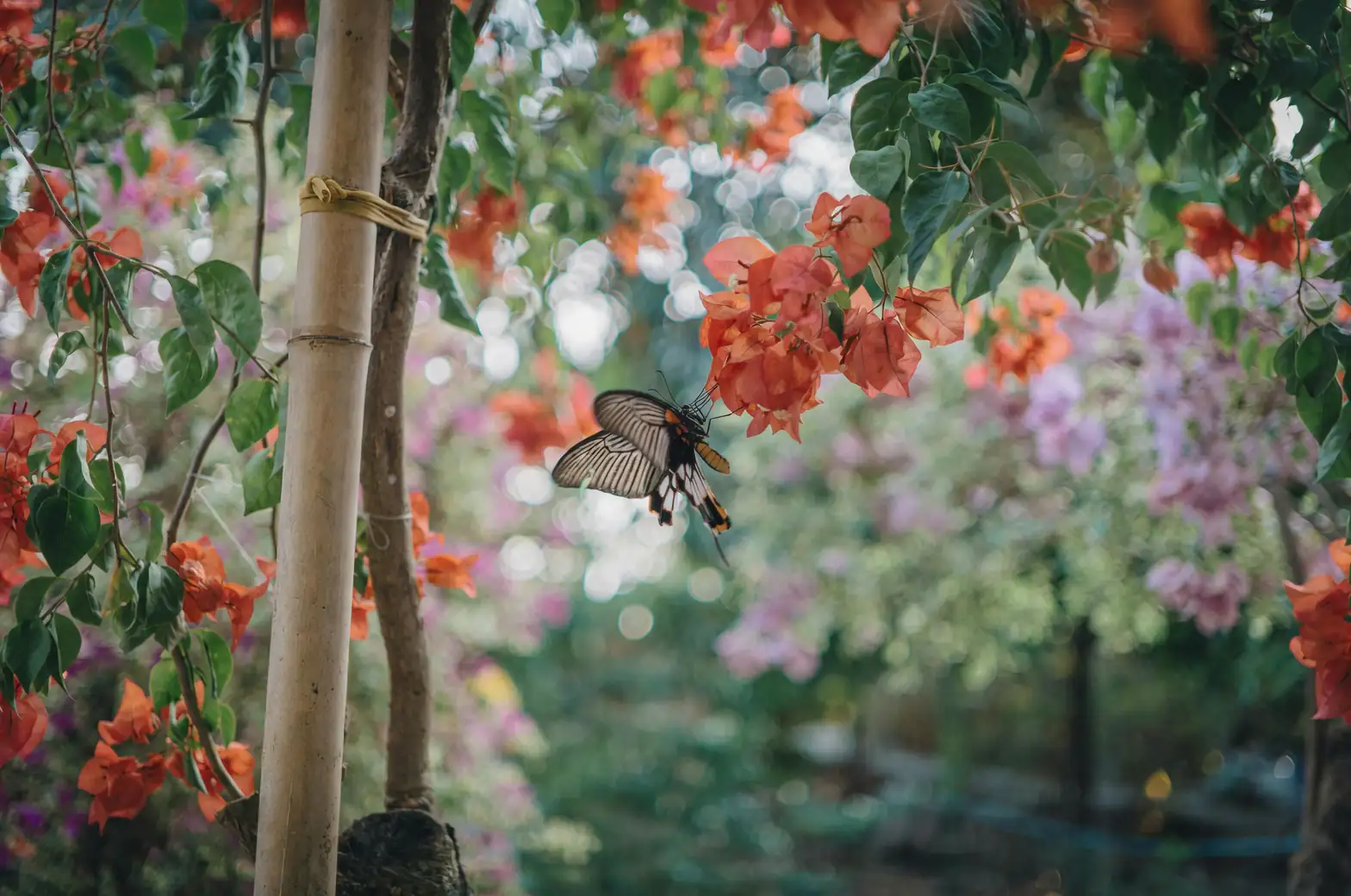
The fragrance of Brugmansia is more than just a pleasant aroma; it is a complex bouquet of volatile compounds. These compounds are crafted to be irresistible to the moths that pollinate the flowers. Each Brugmansia species has its unique scent profile, ranging from sweet and floral to spicy and musky, adding layers of intrigue to its night-time allure.
A Symphony of Pollinators
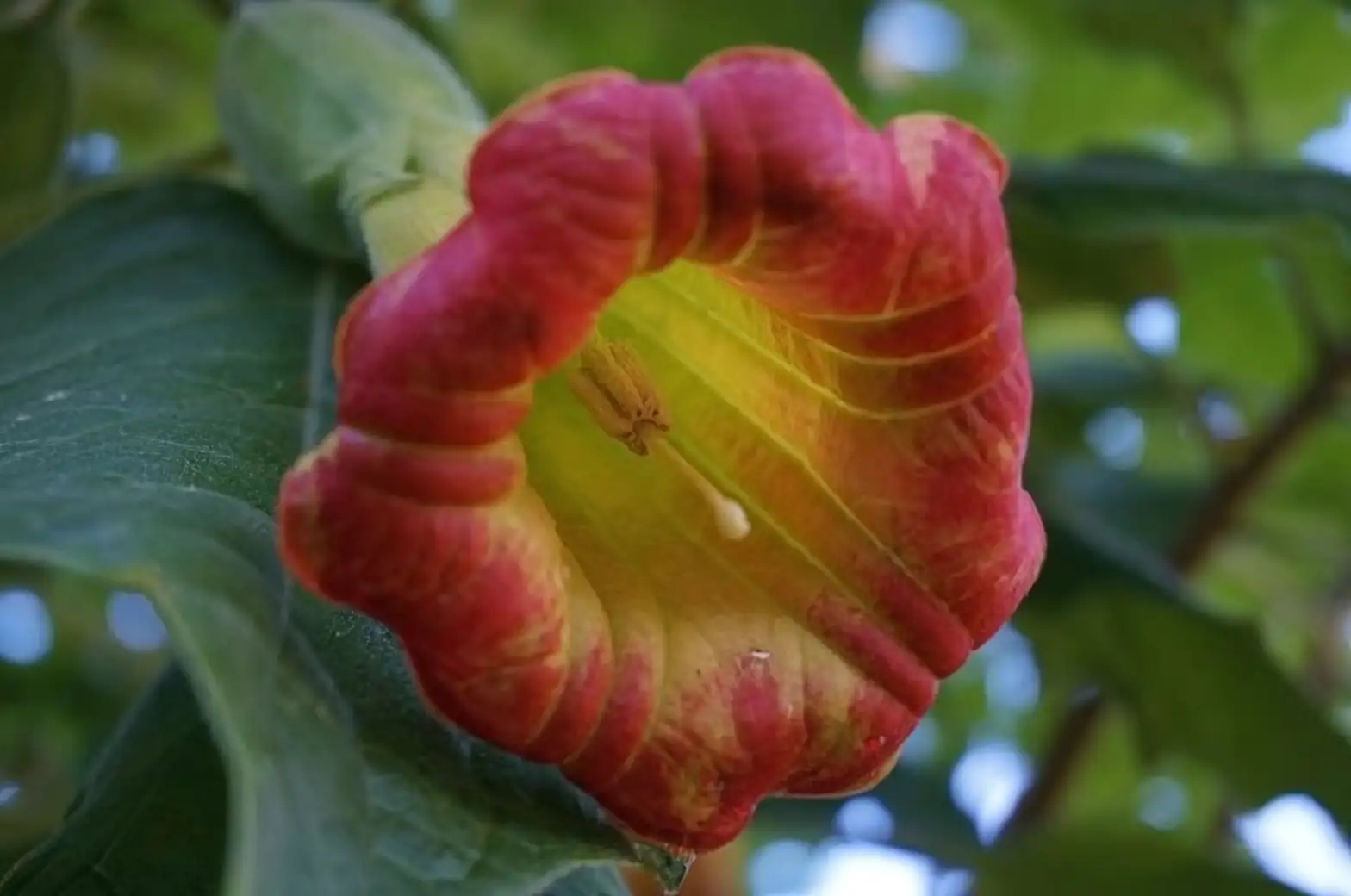
Brugmansia’s pollination strategy is as diverse as its fragrance. While moths are the primary pollinators for most species, the brilliant B. sanguinea has evolved a different tactic. This species is pollinated by hummingbirds, and interestingly, its flowers are odorless—a clear example of how this genus adapts to its environment. The bright, tubular flowers of B. sanguinea attract these feathered friends during the day, showcasing nature’s versatility and Brugmansia’s adaptability.
The Allure of Angel’s Trumpet
Angel’s Trumpet is not just a feast for the senses; it is a visual spectacle. With flowers that can stretch between 14 and 50 centimeters, these pendulous blooms come in dazzling shades of white, yellow, pink, and even red. Each variety offers a slightly different aesthetic and aroma, making Brugmansia a favorite for those looking to add a touch of drama to their gardens.
Growing Your Own Moonlit Marvel
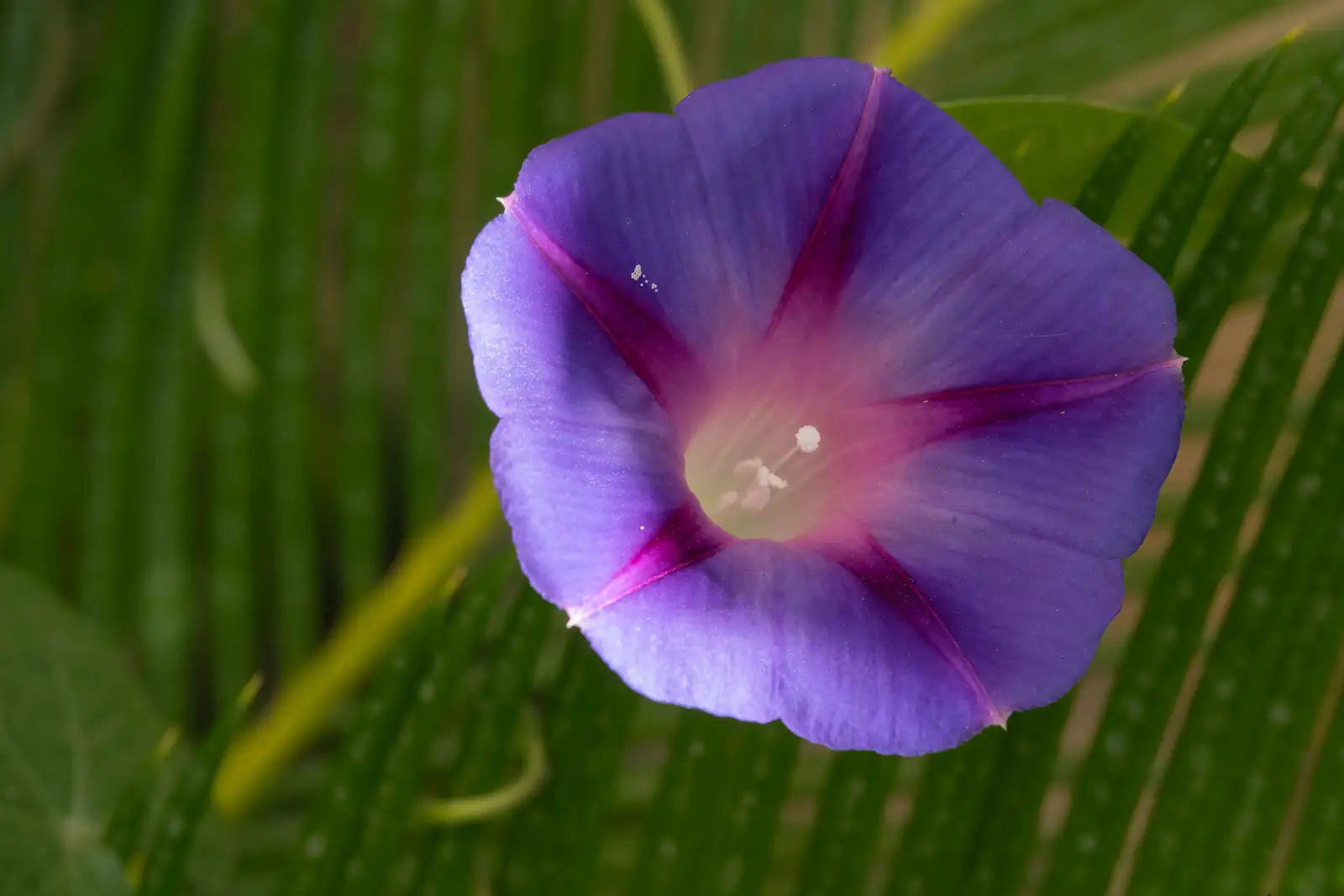
Angel’s Trumpet thrives in bright, sunny spots—perfect for patios, conservatories, and sunrooms. While they’re easy to care for, a few tips can help you keep these beauties happy:
- Sunlight: Aim for full sun to partial sun. In very hot climates, a little midday shade prevents stress.
- Watering: Keep evenly moist during active growth, but avoid waterlogging.
- Feeding: A high-potassium fertilizer in summer encourages those magnificent blooms.
- Safety First: Remember, all parts of Brugmansia are highly toxic, so keep them out of reach of children and pets.
A Word of Caution and Respect
While Angel’s Trumpet captivates with its beauty and fragrance, it carries a cautionary tale. All parts of the plant are extremely toxic due to potent tropane alkaloids. Historically, this has given Brugmansia a place in folklore, symbolizing enchantment and, sometimes, danger. It’s a reminder of the respect and care these plants deserve.
So, as you bask in the evening glow and inhale the fragrant air, remember that Brugmansia is more than just a plant. It’s a testament to nature’s intricate beauty and complexity, a nocturnal symphony waiting to be discovered right in your garden.


