

Angel’s Trumpet: A Bewitching Journey from the Tropics to Gardens Worldwide
Imagine a sultry evening in a tropical paradise, where the air is perfumed with an enchanting fragrance that seems to whisper secrets from the past. This intoxicating aroma comes from the angel’s trumpet, a plant that has captivated gardeners and botanists alike with its dramatic blooms and storied history.
The Origins of a Bewitching Beauty
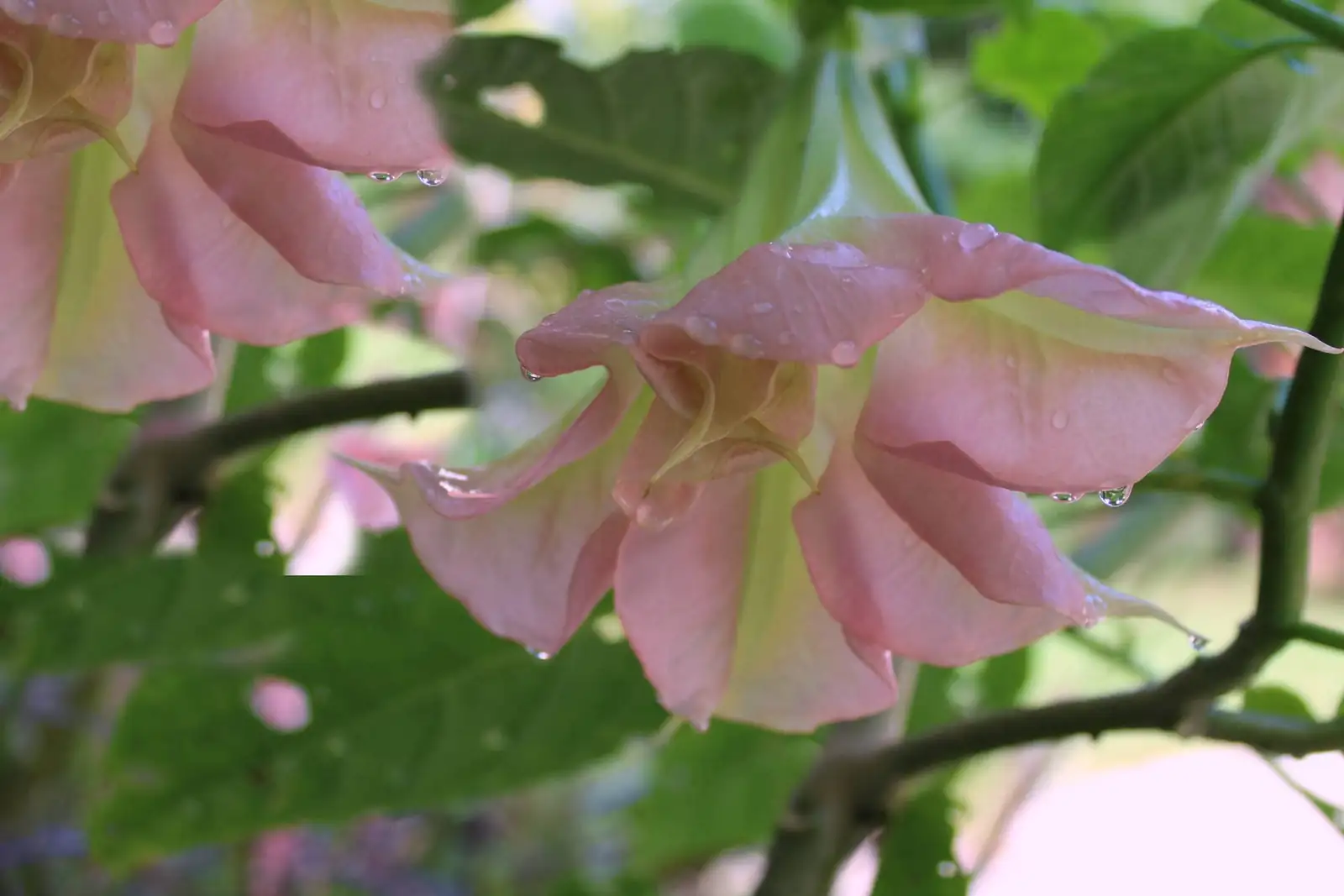
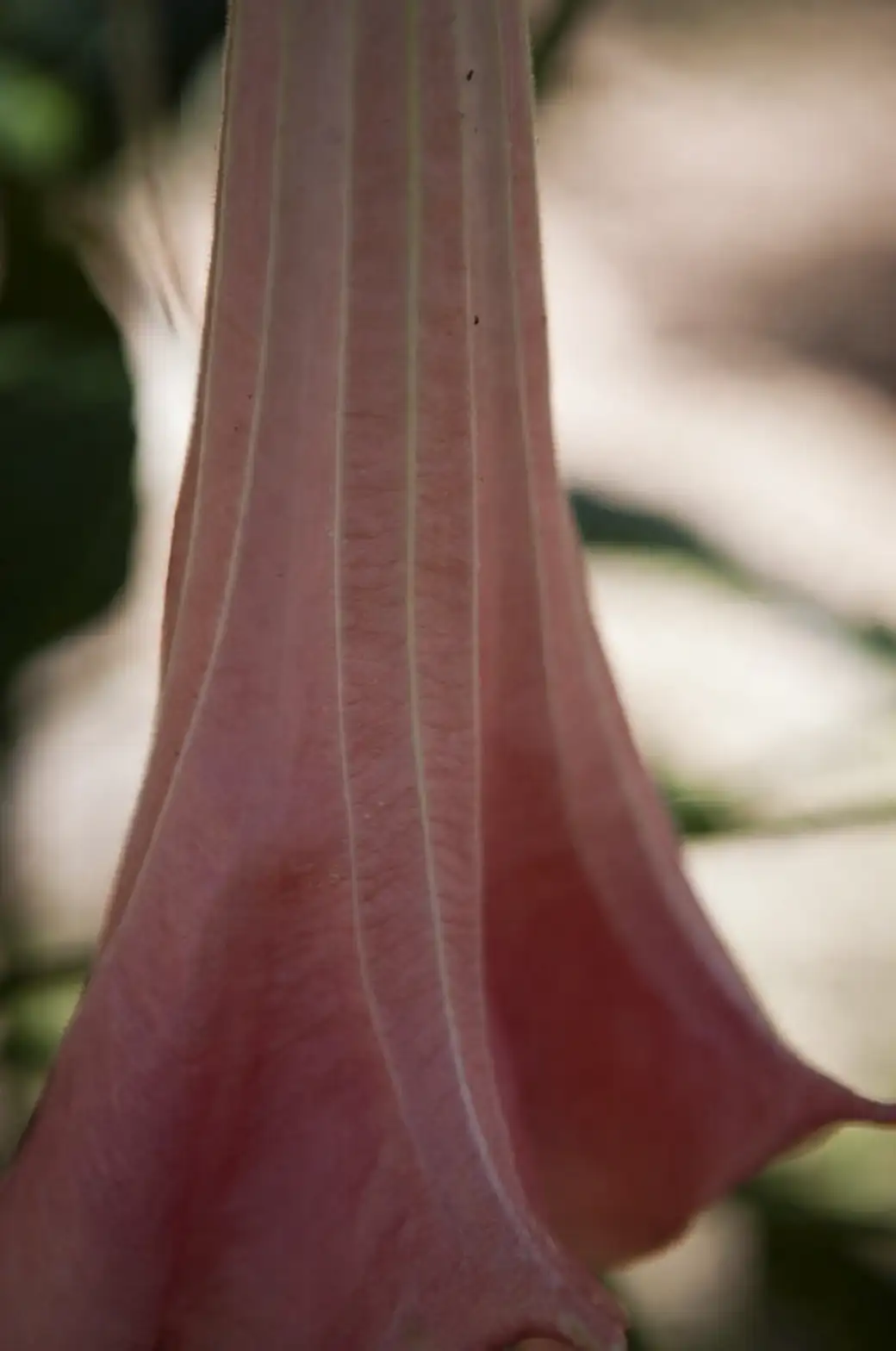
Brugmansia, commonly known as angel’s trumpet, hails from the lush, verdant regions of tropical South America. This genus of seven species belongs to the nightshade family, Solanaceae, and is renowned for its large, pendulous, trumpet-shaped flowers. These blooms, available in shades of white, yellow, pink, or red, are not just visually striking; they release their most potent fragrances at dusk, designed to attract nocturnal pollinators.
But there’s more to Brugmansia than meets the eye—or nose. The plant’s beauty has always been paired with a note of danger, as every part of it is highly toxic. This dual nature has inspired folklore and respect, with its powerful chemistry being both revered and cautiously avoided in its native culture.
A Historical Odyssey from Wild to Cultivated
Though cherished in its native lands, Brugmansia’s journey to global gardens is a tale of survival and adaptation. It is believed that Brugmansia became extinct in the wild due to the loss of its natural seed dispersers. However, human cultivation has ensured its survival, allowing it to thrive as an ornamental plant worldwide. Today, angel’s trumpet exists as an introduced species in various climates, from warm conservatories to sheltered patios in temperate regions.
Cultivation and Care: Bringing the Tropics Home
For those captivated by Brugmansia’s allure, cultivating this plant requires a touch of diligence, as well as an appreciation for its needs and risks. Here are some key tips for growing your own angel’s trumpet:
- Light and Location: Brugmansia thrives in full sun to partial sun. Indoors, it craves the brightest spot you can offer, while in hotter climates, a little midday shade can prevent stress.
- Temperature and Humidity: Ideally suited to temperatures between 16–25°C (61–77°F), Brugmansia must be protected from cold. It flourishes in moderate humidity with decent airflow.
- Soil and Watering: A rich, well-draining potting mix is essential. Keep the soil consistently moist during active growth, but avoid waterlogging.
- Safety First: Remember, all parts of the plant are highly toxic. It’s essential to keep it out of reach of children and pets, and gloves should be worn when handling or pruning.
The Enchanting Symbolism of Brugmansia
Angel’s trumpet is often associated with enchantment and mystery, thanks to its ethereal beauty and potent fragrance. However, its toxicity adds an undertone of danger, symbolizing the delicate balance between allure and caution. This duality makes it a fascinating subject in the language of flowers, where it can represent both a bewitching allure and a warning to tread carefully.
A Global Phenomenon with Local Roots
From its origins in South America to its status as a global garden favorite, Brugmansia’s journey is a testament to the plant’s captivating charm and adaptability. While it may no longer exist in the wild, its presence in gardens around the world ensures that its story continues to unfold, one bloom at a time.
Whether you’re drawn to its fragrant blooms or intrigued by its rich history, Brugmansia offers a unique blend of beauty and mystery that invites both admiration and respect. As you care for this plant, you’re not just nurturing a piece of nature; you’re participating in a living legacy that spans continents and cultures. So, the next time you catch a whiff of its nighttime perfume, let it transport you to the steamy jungles of its origins and remind you of the wonders that the plant world has to offer.


