Transplanting your beloved houseplants can sometimes feel like a nerve-wracking experience. You might notice yellow leaves or wilting, and that’s when you realize your plant is going through transplant shock. But don’t worry! With a few simple strategies, you can help your leafy friends settle into their new homes with minimal stress. Let’s dive into the world of transplant shock and how you can prevent and manage it effectively.
What is Transplant Shock?
Transplant shock is a common issue that occurs when plants are moved from one location to another. This could be repotting, relocating within your home, or moving plants from the nursery to your garden. The root disturbance and environmental changes can cause your plants to stress, resulting in symptoms like yellowing leaves, wilting, and slow growth.
Recognizing the Symptoms
To tackle transplant shock, first, you need to know what to look out for:
- Yellow Leaves: One of the earliest signs is yellowing leaves. This can occur because the roots are struggling to take up water and nutrients.
- Wilting: Even with proper watering, you may notice your plant looking droopy.
- Leaf Scorch: Particularly in trees and shrubs, you might see yellowing or browning along the leaf edges.
- Stunted Growth: Your plant may stop growing and appear unhealthy overall.
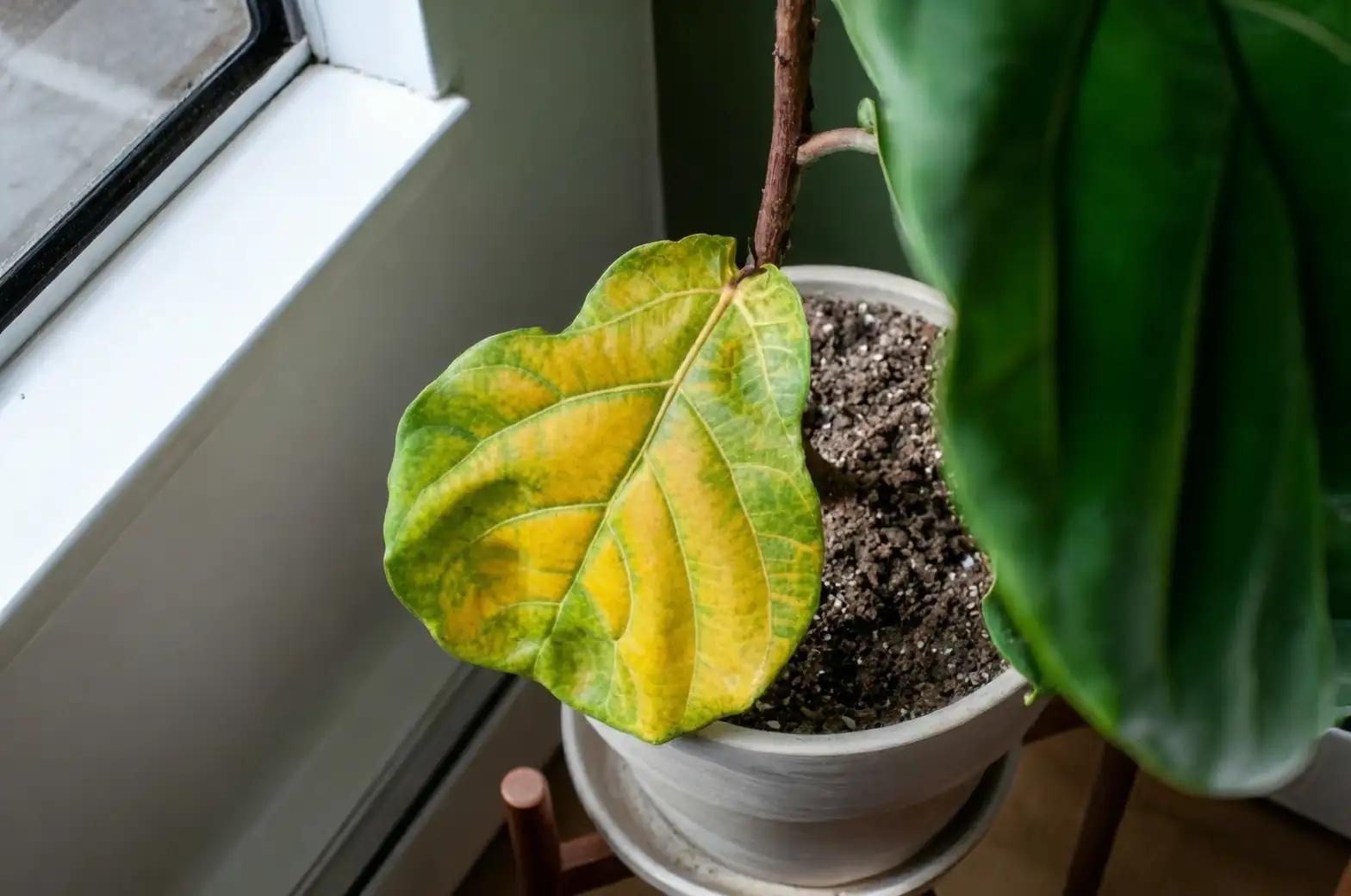
Why Does It Happen?
Transplant shock primarily happens due to:
- Root Disturbance: Transplanting can damage the roots, especially the fine root hairs crucial for nutrient absorption.
- Environmental Changes: New light, temperature, and soil conditions can be stressful for plants.
- Water Stress: Both overwatering and underwatering can exacerbate the problem.
Tips to Prevent Transplant Shock
The good news is that with some preparation, you can significantly reduce the impact of transplant shock. Here’s how:
1. Prepare the New Home
Before moving your plant, ensure its new spot is ready. This means the right soil, adequate drainage, and proper sunlight exposure.
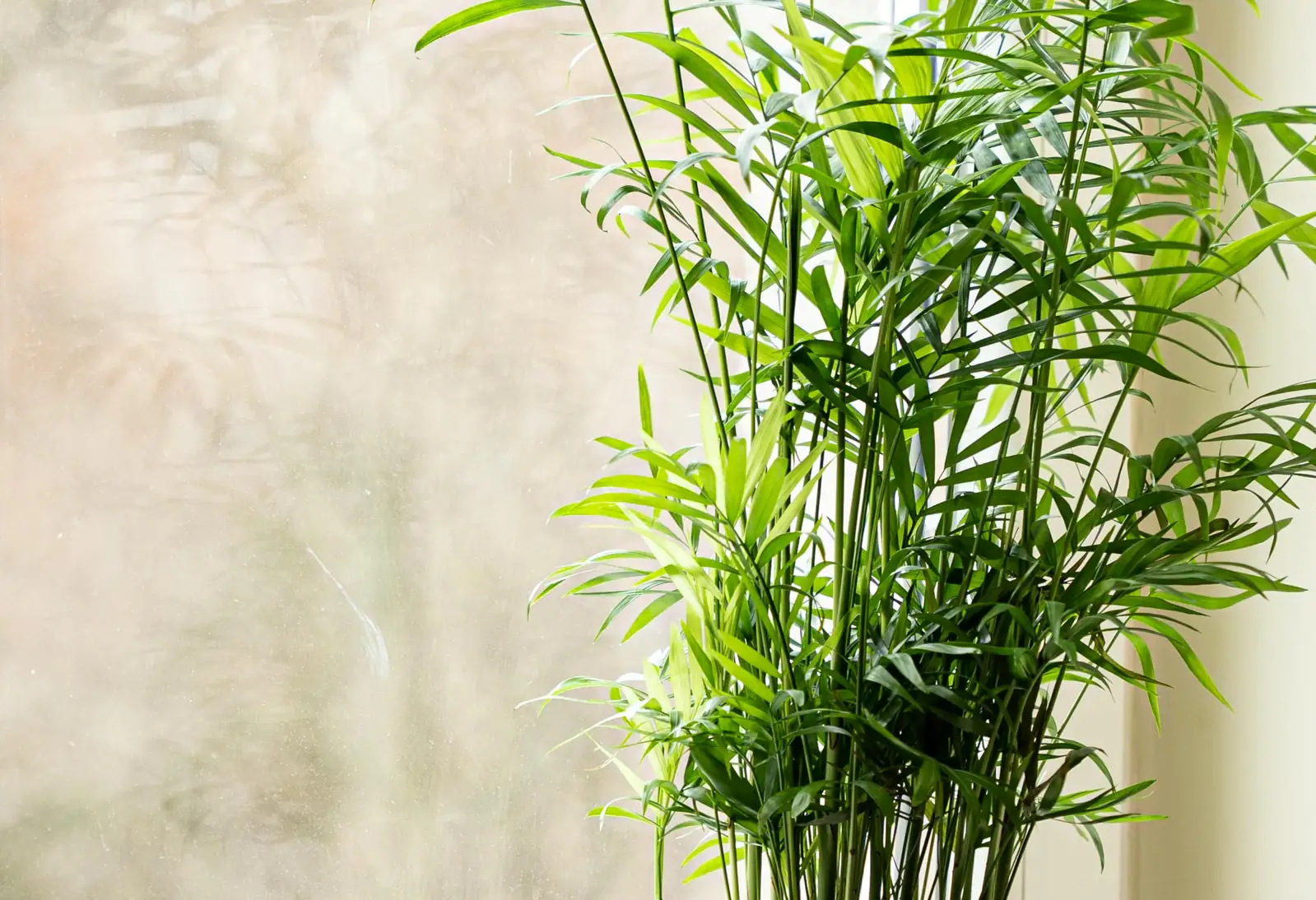
2. Handle with Care
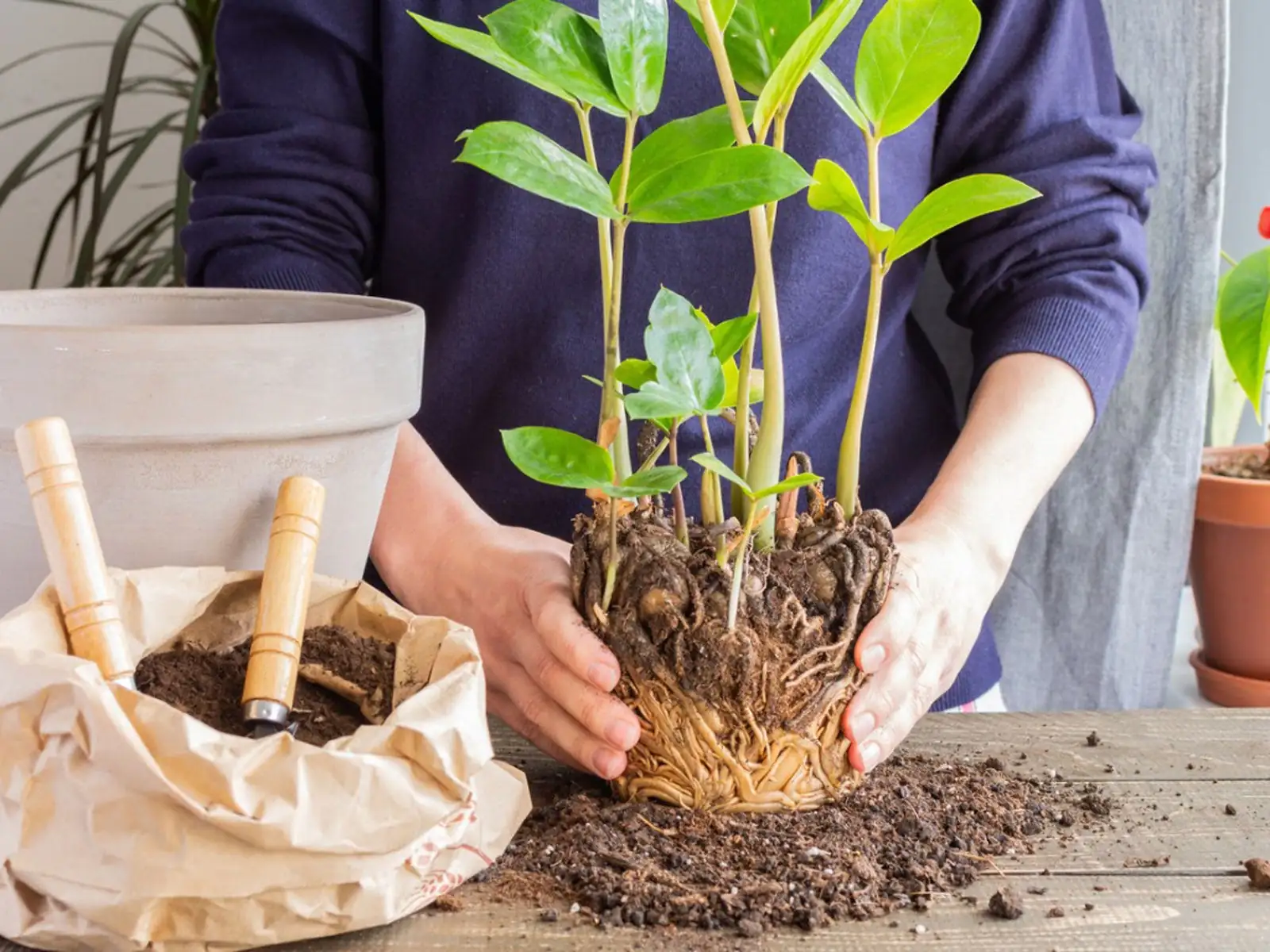
When moving your plant, be gentle. Try to keep the root ball intact, and avoid disturbing the roots as much as possible. For potted plants, water them a couple of hours before you start the transplant.
3. Gradual Acclimatization
If you’re moving plants outdoors, harden them off by gradually introducing them to their new environment over a week or two. Start by placing them in a shaded area outside for a few hours a day, gradually increasing the time and sunlight exposure.
4. Proper Watering
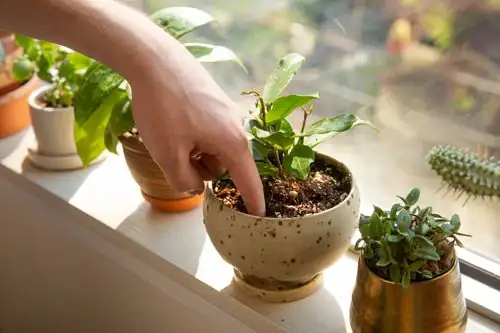
Water the plant thoroughly after transplanting, but be cautious not to drown it. The soil should be moist, not soggy. This helps the roots to establish well without being overwhelmed.
5. Avoid Fertilizers Initially
Hold off on fertilizing immediately after transplanting. Fertilizers can further stress your plant’s already fragile roots. Wait a few weeks to allow the plant to settle.
Helping Your Plant Recover
If your plant is already showing signs of transplant shock, here are some steps to aid its recovery:
- Consistent Care: Maintain a consistent watering schedule, ensuring the soil remains moist but not waterlogged.
- Pruning: Remove any heavily damaged or yellow leaves to help the plant focus its energy on new growth.
- Patience: Sometimes, the best thing you can do is wait. Many plants will eventually recover from shock on their own, as evidenced by the story of the resilient Redbud tree.
Transplanting doesn’t have to be a stressful experience for you or your plants. By understanding the causes and symptoms of transplant shock and following these care tips, you’ll be well on your way to helping your plants thrive in their new environment. Happy gardening!