

From the Cliffs of Mexico to Your Living Room: The Journey of Sedum morganianum
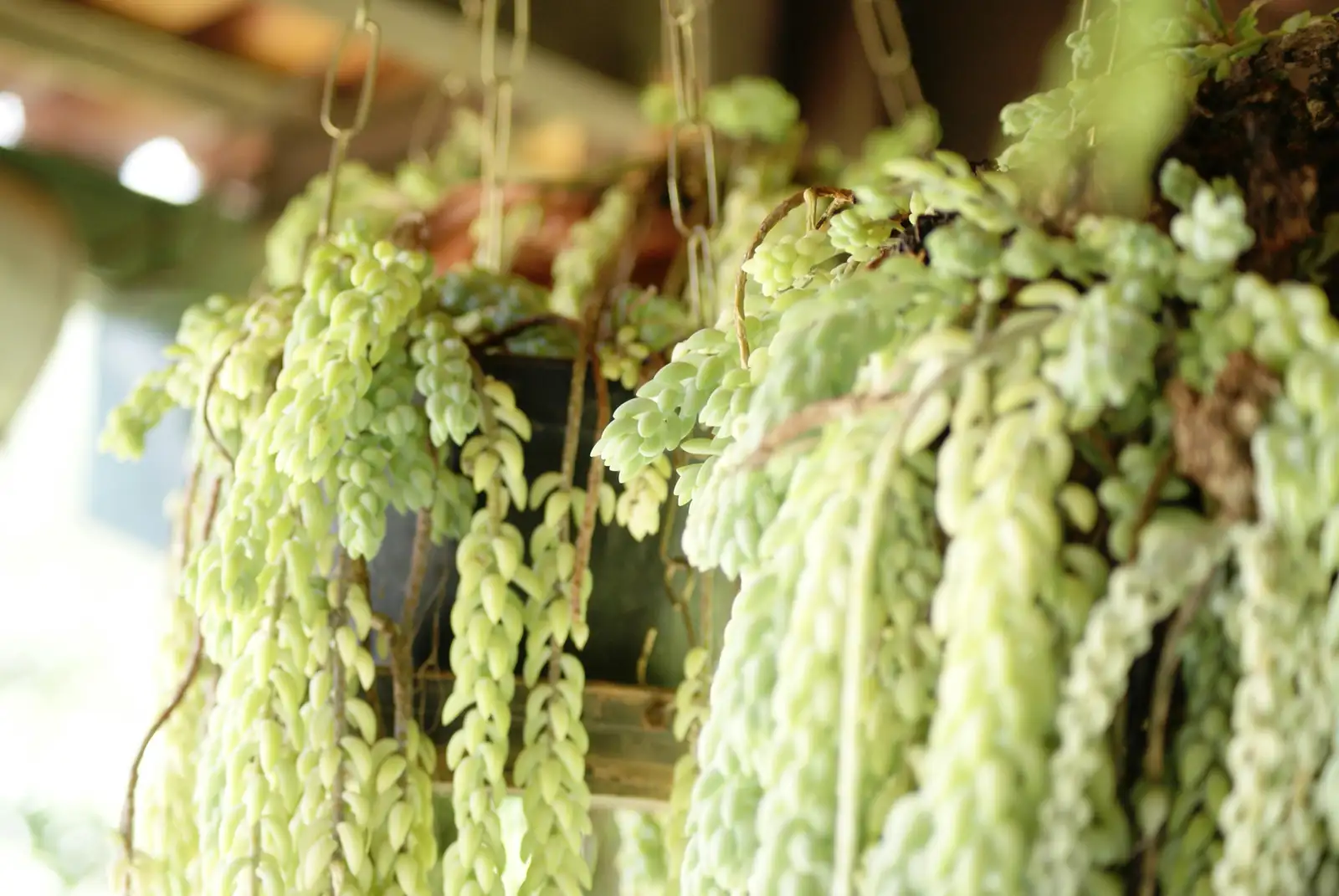
Imagine a plant so mesmerizing that it seems to cascade like a verdant waterfall from its container. This is Sedum morganianum, affectionately known as the Burro’s Tail or Donkey’s Tail, a plant with an allure as captivating as its history.
Discovering a Hidden Gem
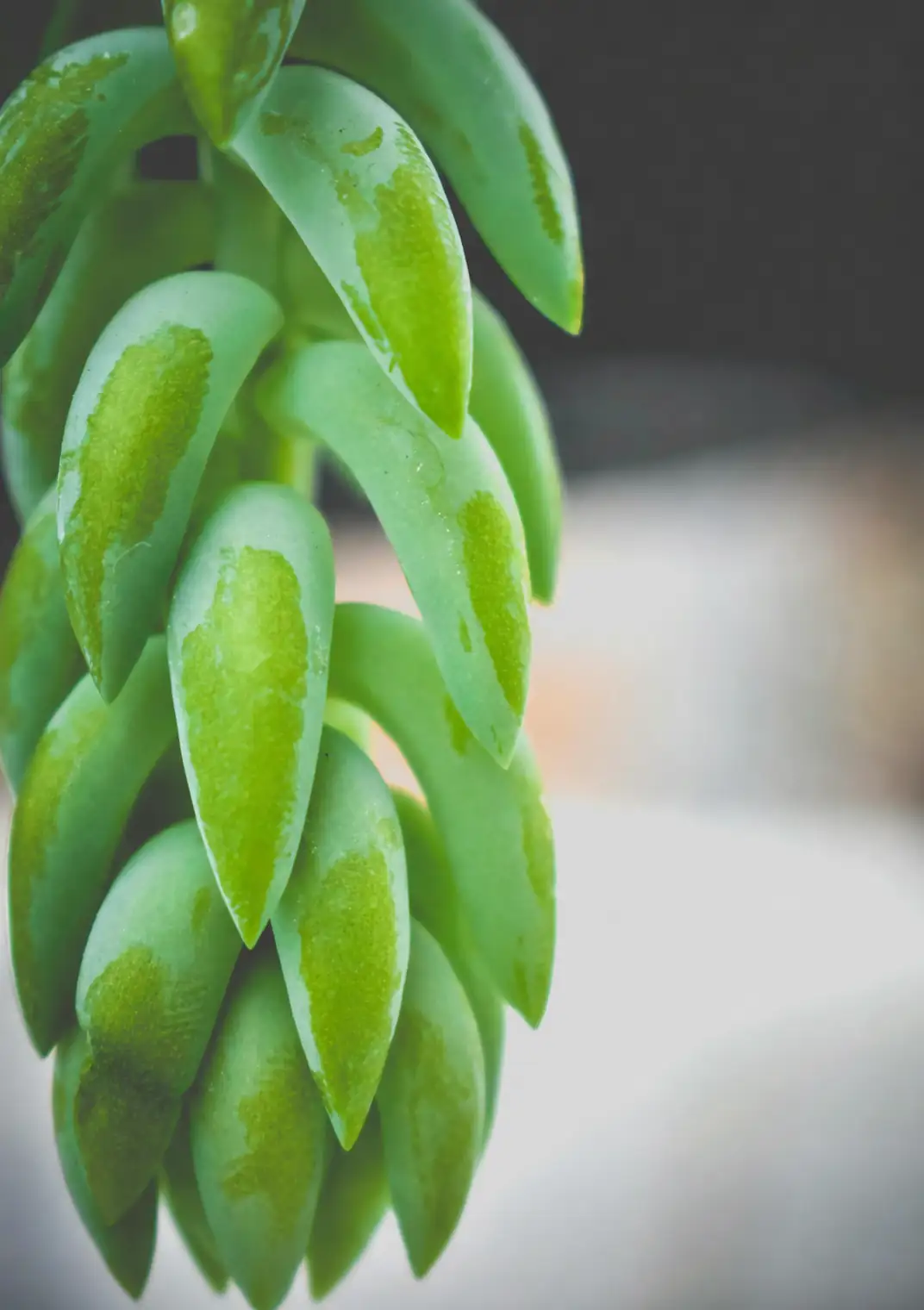
Native to the rugged terrains of southern Mexico, Sedum morganianum was a well-kept secret of nature for many years. It was first discovered in the 1930s in the state of Veracruz, where it clung to rocky cliffs in the Tropical Deciduous Forest zone. These landscapes provided the perfect backdrop for this succulent’s dense, trailing stems, which can reach up to 60 cm (24 in) in length. Its bead-like leaves, a calming blue-green, are packed so tightly together they seem almost braided, creating a living tapestry of texture.

For decades, Sedum morganianum kept its origins a mystery, eluding botanists until the early 2000s. Its micro-endemic status means it’s found only in these specific locales, making it a rare jewel of the plant world.
The Burro’s Tail: A Wanderlust Story
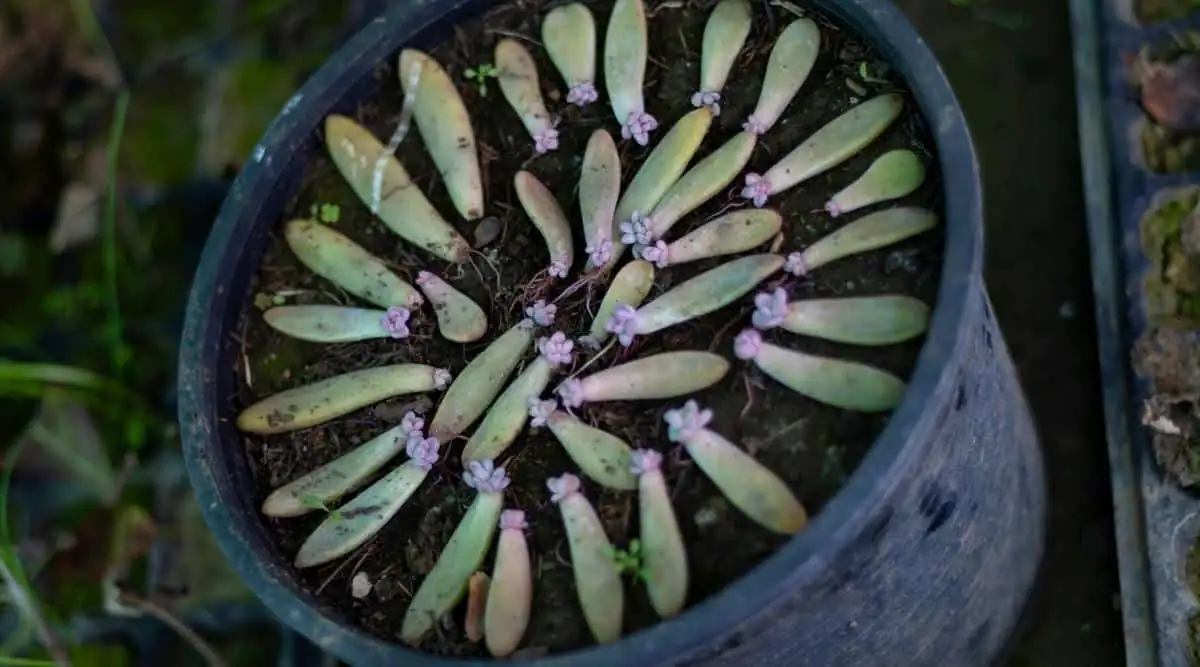
How did this plant make its way from the secluded cliffs of Mexico to windowsills worldwide? It’s a tale of allure and adaptability. Sedum morganianum’s charm lies not only in its striking appearance but also in its remarkable resilience. This succulent is a testament to nature’s ingenuity, thriving in arid conditions with minimal care. It embodies the spirit of resilience and abundance, able to propagate new life from even a single fallen leaf.
Bringing Mexico’s Beauty Indoors
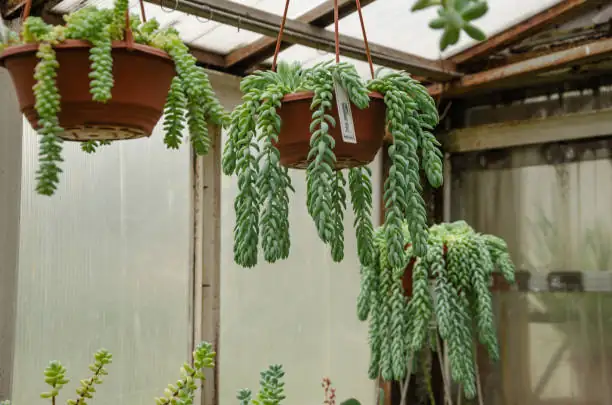
As a houseplant, Sedum morganianum has captivated plant lovers with its dramatic, cascading display. It thrives in bright light, making it a perfect candidate for sunny windowsills or hanging pots where its stems can spill over freely. While it’s a hardy companion, it does have its quirks—those beautiful, plump leaves are notoriously fragile, snapping off at the slightest touch. This is no reason to fret, though, as these leaves can easily root and grow into new plants, continuing the cycle of life and beauty.
Care Tips for the Modern Grower
- Sunlight: Sedum morganianum thrives in bright light to full sun. Aim for several hours of sun, but shield it from harsh midday rays, which can scorch its delicate leaves.
- Watering: This plant prefers the “less is more” approach. Water thoroughly but infrequently, allowing the soil to dry out between waterings. In winter, reduce watering to about once a month.
- Soil and Potting: Use a fast-draining cactus/succulent mix, or mix potting soil with gritty sand at a 2:1 ratio. Ensure your pot has excellent drainage to prevent root rot.
- Temperature and Humidity: It enjoys temperatures between 10–27°C (50–81°F) and prefers low humidity environments.
The Magic of Propagation
One of Sedum morganianum’s most enchanting traits is its ease of propagation. Whether from a fallen leaf or a stem cutting, new plants can root and grow with minimal effort. Simply let the cut ends callus for a few days before placing them in dry, gritty soil, and soon you’ll witness the magic of new growth.
A Delightful Dilemma: Blooming
While Sedum morganianum can produce delicate blooms at the tips of its stems, indoor plants rarely flower unless given very strong light conditions. These flowers, ranging from pink to red, add a touch of whimsy to an already stunning plant, though their rarity only adds to the plant’s mystique.
With its vivid history and striking appearance, Sedum morganianum is more than just a plant—it’s a conversation starter, a piece of Mexico’s natural heritage, and a resilient companion in your home. Whether cascading from a shelf or gracing a sunlit corner, it’s a testament to the beauty of nature and the joy of indoor gardening.


