

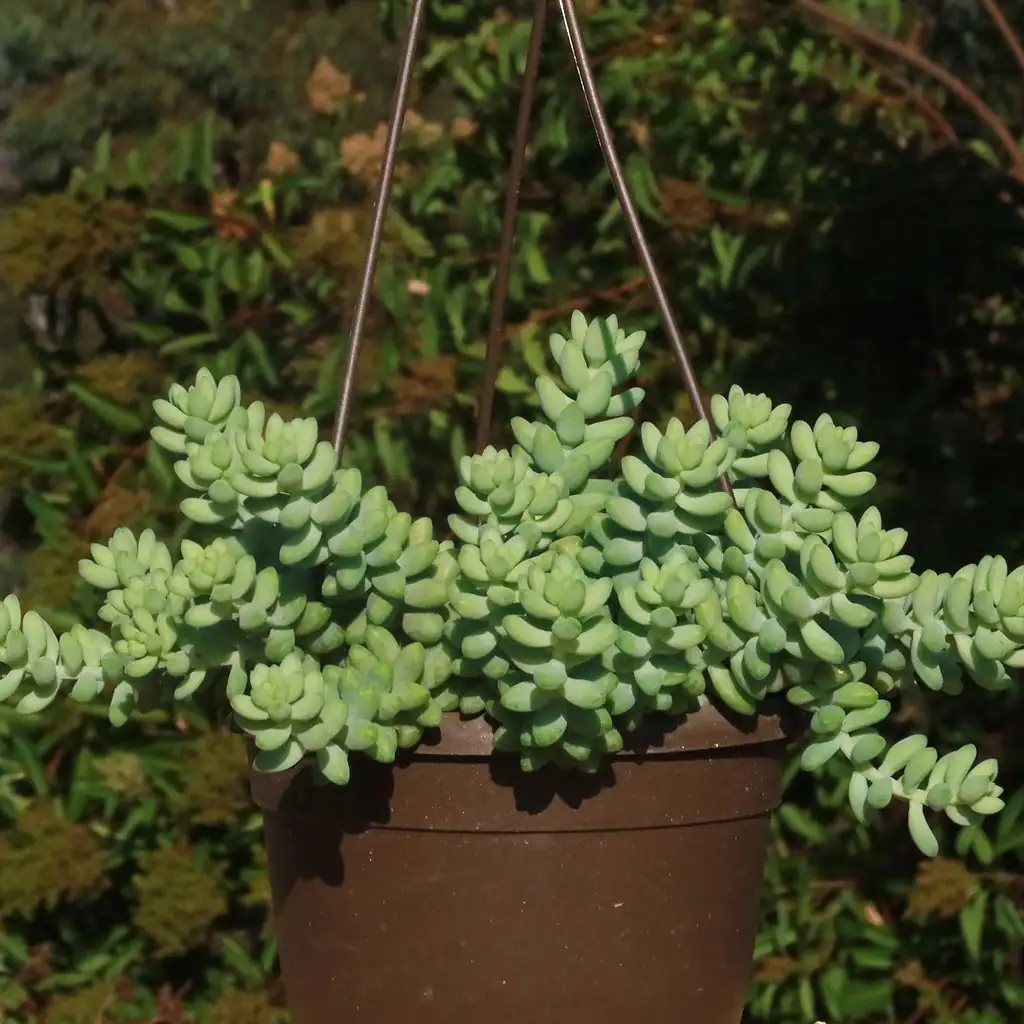
When it comes to succulents, few are as charismatic and captivating as the Burro’s Tail (Sedum morganianum). With its rope-like stems and succulent leaves that look like strings of beads, it’s a plant that not only catches the eye but also the heart. However, like any prized possession, it requires care and attention to keep it thriving. Let’s dive into the world of common pests and diseases that affect this Mexican native and uncover practical solutions and prevention tips to keep your Burro’s Tail healthy and vibrant.
The Delicate Dance: Understanding Burro’s Tail
Before we delve into the nitty-gritty of pests and diseases, let’s take a moment to appreciate the unique nature of the Burro’s Tail. As a succulent, it thrives on neglect—at least when it comes to water. Its thick, juicy leaves store moisture, meaning overwatering is a more significant threat than under-watering. This plant loves bright light and prefers to bask in the glow of a sunny windowsill, but it’s not a fan of harsh midday sun through glass, which can scorch its leaves.
Common Pests: Tiny Terrors
Mealybugs and Scale: The Unwanted Guests
Imagine hosting a grand party, only to find uninvited guests wreaking havoc. That’s what mealybugs and scale insects are to the Burro’s Tail. These pests often hide in the nooks and crannies of your plant, particularly in the leaf axils and along the stems.
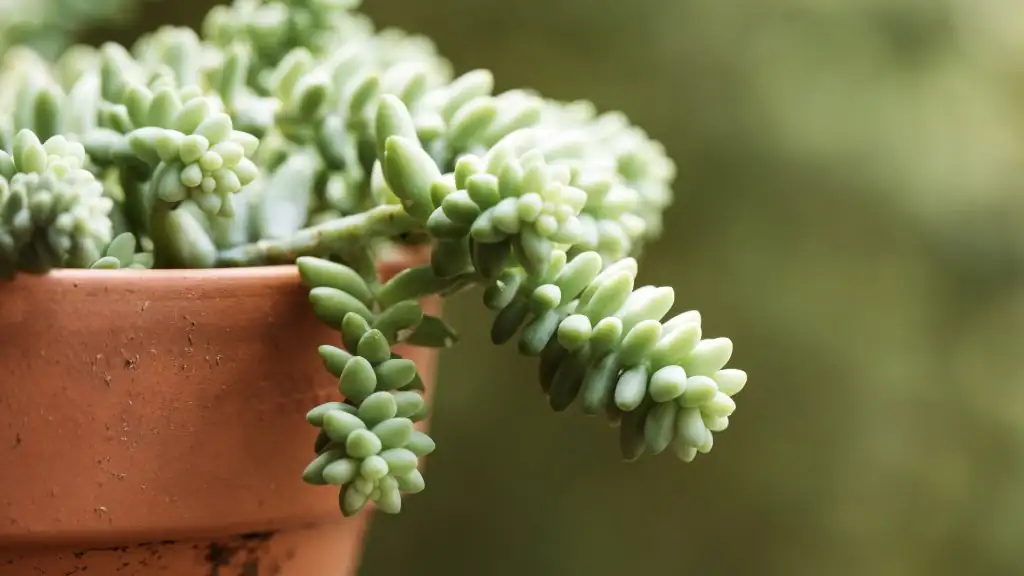
- Identification: Mealybugs appear as white, cottony masses, while scale insects look like small, brown bumps.
- Solutions: Treat infestations with insecticidal soap or alcohol swabs. Gently dab the affected areas, being careful not to dislodge the leaves.
- Prevention: Ensure good airflow around your plant and keep it in a well-lit area to discourage these pests from settling in.
Disease Dilemmas: Root and Stem Rot
Overwatering is the kryptonite of the Burro’s Tail. This succulent is susceptible to root and stem rot, which usually stems from poor drainage and excessive moisture.
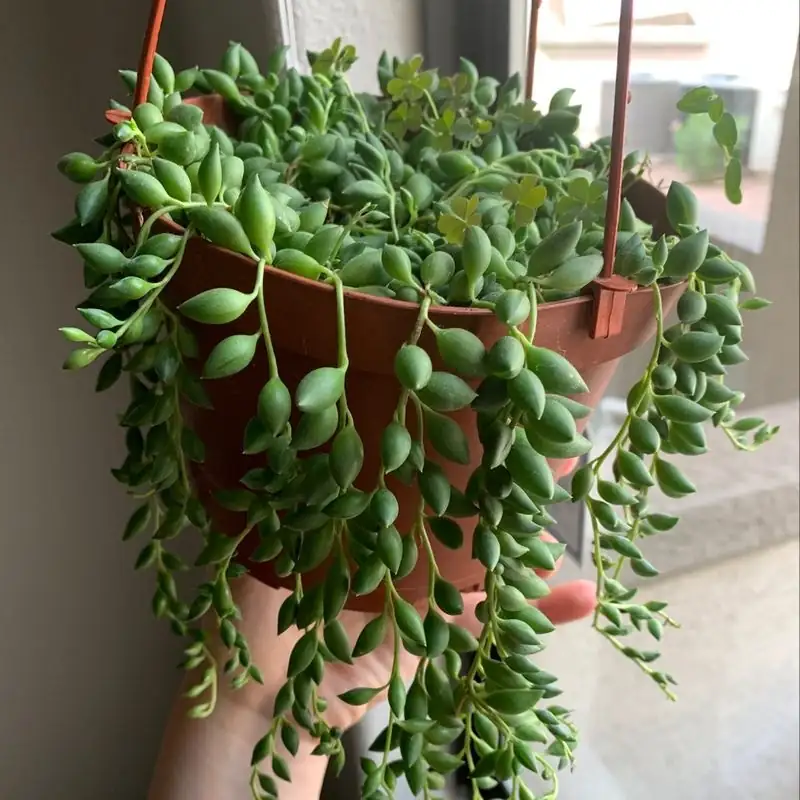
- Identification: Look for blackened, mushy stems and a foul odor, indicating decay.
- Solutions: Trim away any rotted parts with sterilized scissors. Repot the plant in fresh, well-draining soil and a pot with excellent drainage holes.
- Prevention: Water sparingly, allowing the soil to dry out between waterings. In winter, reduce watering frequency to about once a month.
The Secret to Success: Prevention
Light and Placement
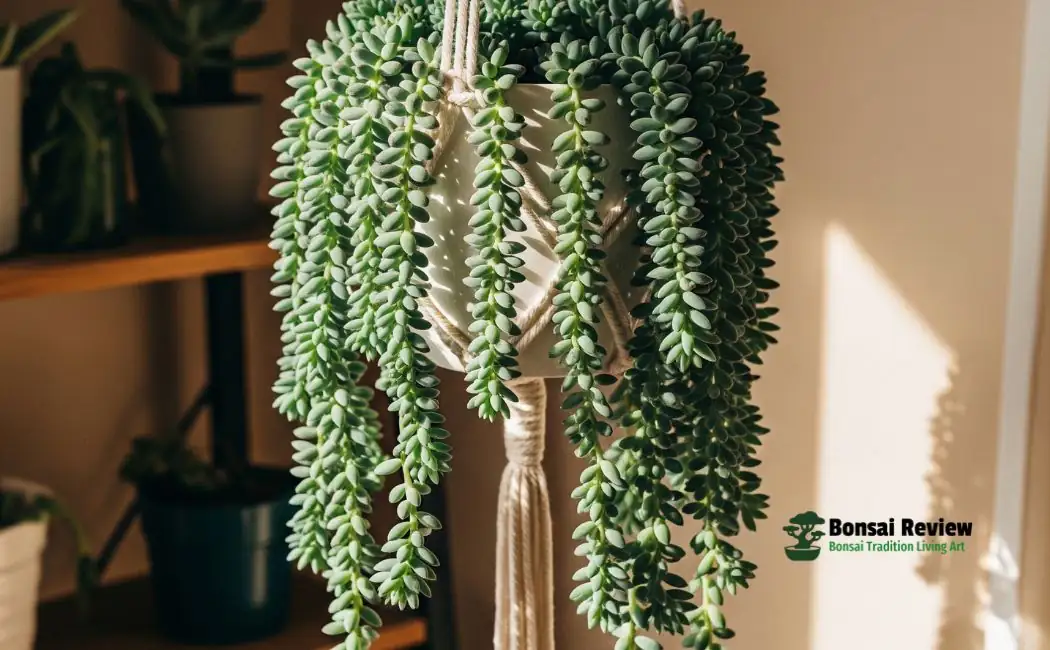
- Bright Light: Position your Burro’s Tail in a bright spot, but avoid direct, intense sunlight through windows to prevent leaf scorch.
- Safe Spot: Keep it away from high-traffic areas where it might get bumped—those leaves are as fragile as they are beautiful.
Soil and Pot Selection
- Fast-Draining Soil: Use a cactus or succulent mix, or blend regular potting soil with gritty sand or gravel in a 2:1 ratio.
- Drainage: Choose a pot with good drainage to prevent water from pooling at the roots.
Symbolism and Significance: Resilience and Abundance
The Burro’s Tail is not just a visual delight; it’s a symbol of resilience and abundance. Its ability to propagate from fallen leaves and thrive in challenging conditions speaks to nature’s power to endure and flourish. This succulent is a reminder that even in the harshest environments, beauty and life can find a way.
Conclusion: A Flourishing Friendship
Caring for a Burro’s Tail is like nurturing a friendship; it takes understanding, patience, and a bit of effort to see it bloom—literally and figuratively. By keeping a keen eye on pests and maintaining optimal conditions, your Burro’s Tail can thrive as a lush, cascading spectacle in your home. Whether it’s the centerpiece of your succulent collection or a charming addition to your windowsill, this plant will reward your care with its graceful beauty and enduring spirit.


