

Sweet Osmanthus: Tackling Pests and Diseases with Elegance
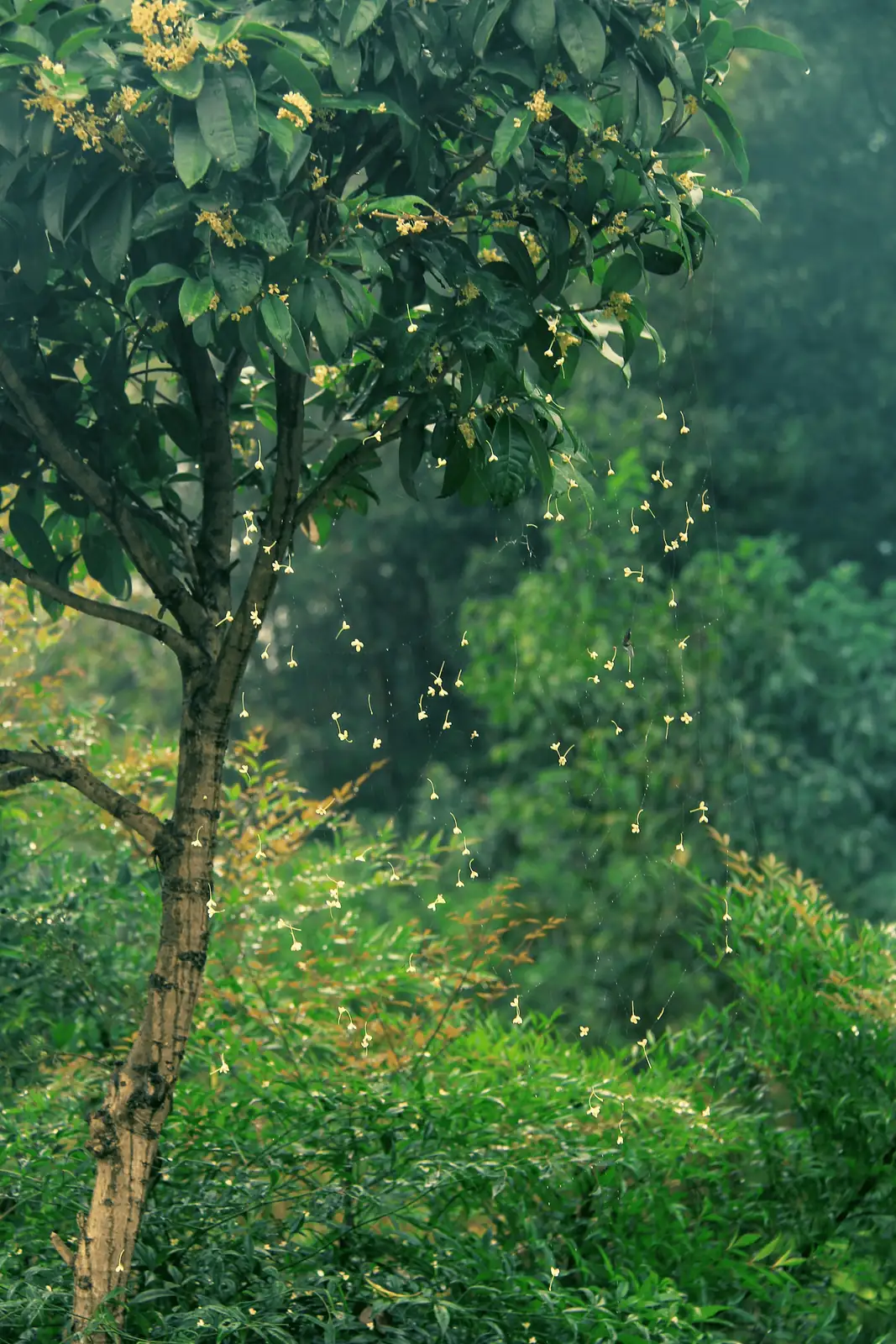
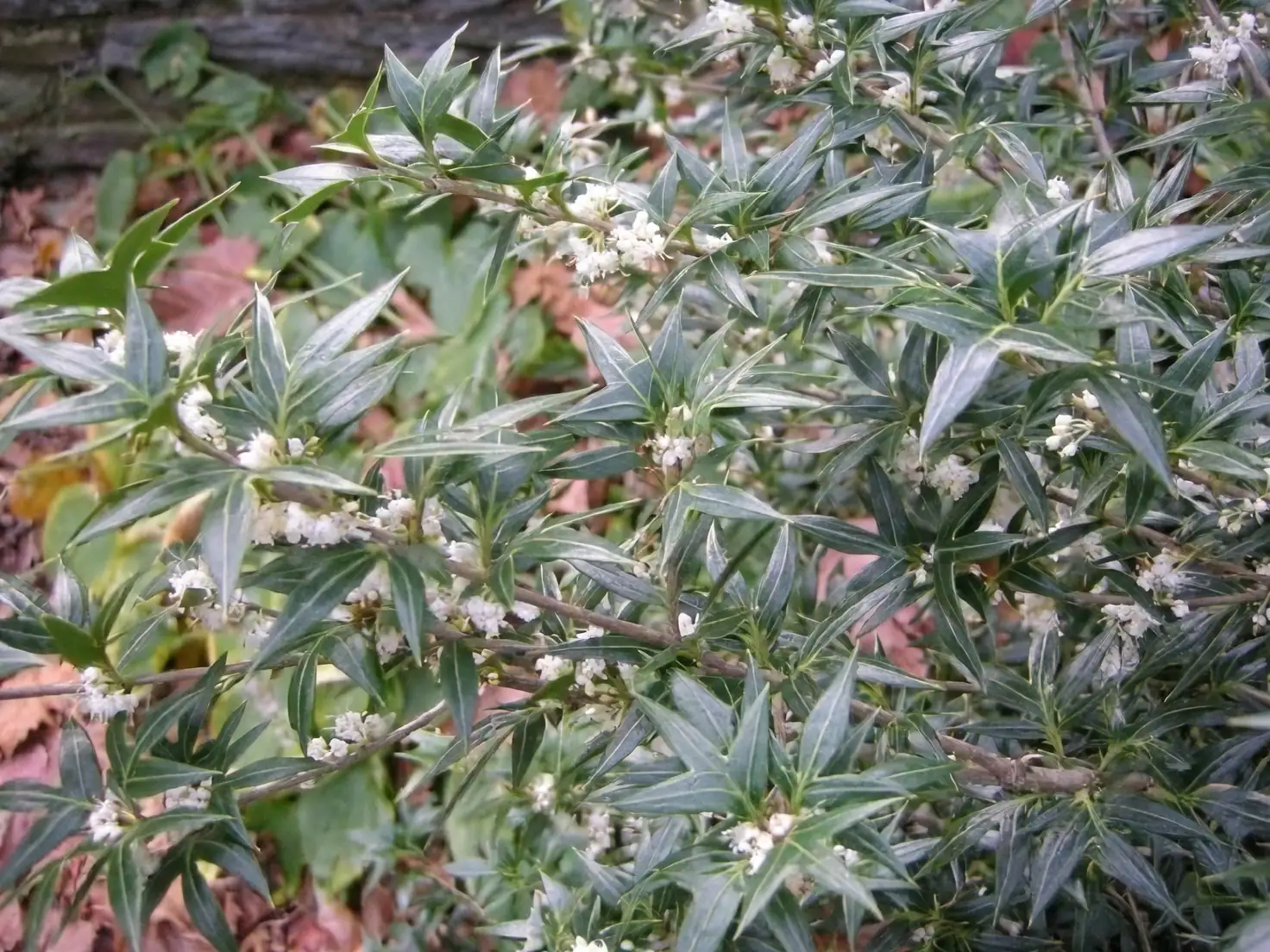
Imagine strolling through a garden in the crisp air of autumn, where a single plant fills the entire space with a fragrance so divine, it feels like nature’s own symphony. This is the magic of the Sweet Osmanthus, scientifically known as Osmanthus fragrans, a cherished member of the Oleaceae family. Native to the Himalayas and southern China, this evergreen shrub or small tree is a staple in both Chinese and Japanese gardens, renowned for its enchanting aroma and delicate flowers. Yet, like any garden diva, the Sweet Osmanthus can have its share of uninvited guests and ailments. Let’s dive into the world of Sweet Osmanthus, exploring how to keep it healthy and thriving.
Common Pests: The Unwanted Admirers
While the Sweet Osmanthus is admired for its beauty and fragrance, it’s also quite popular among certain garden pests. Here’s a quick rundown of the most common offenders:
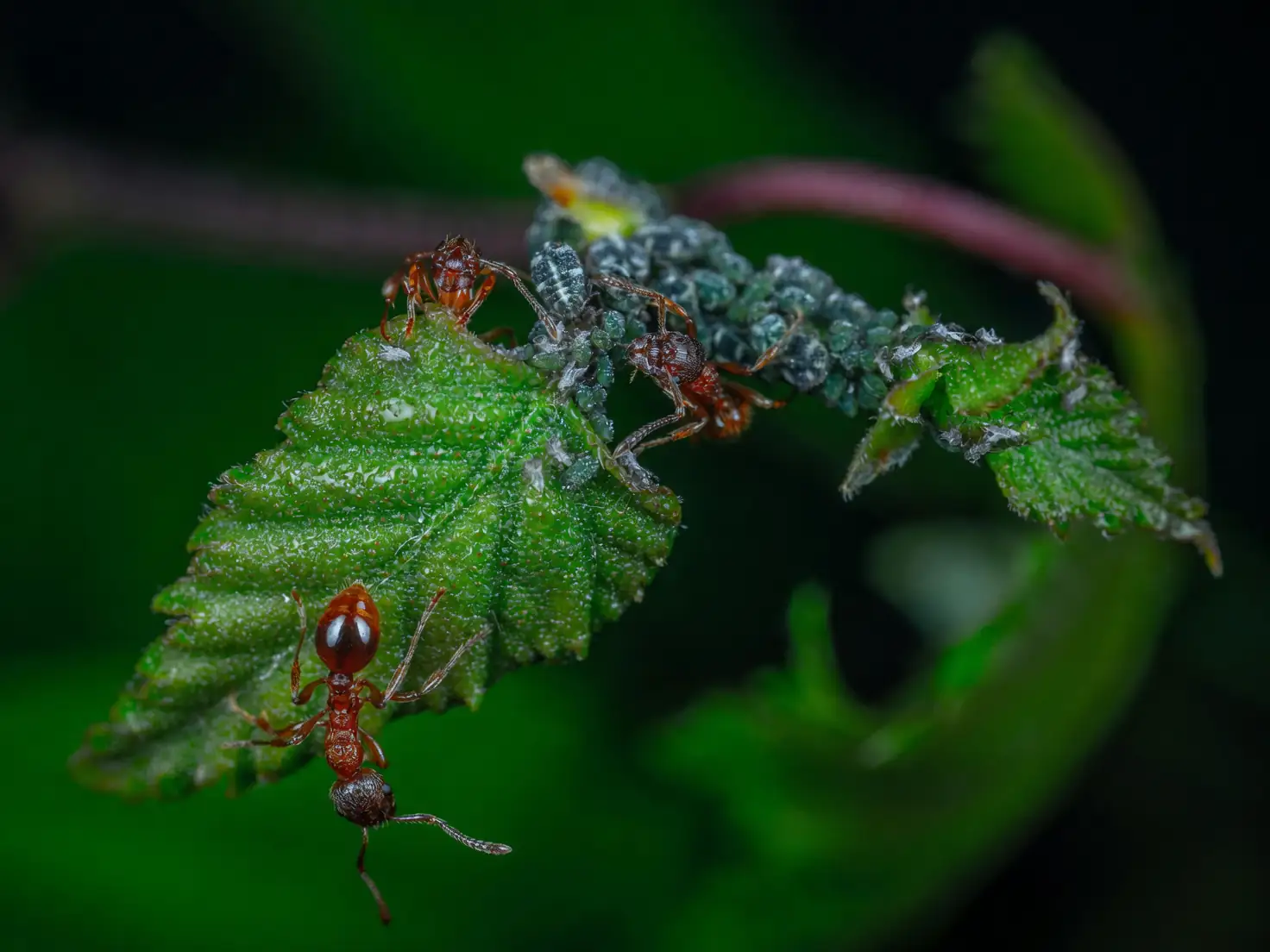
- Aphids: These tiny sap-suckers can cause significant damage by distorting new growth. They often appear in clusters on the underside of leaves.
- Scale Insects: Known for their hard, protective covering, scales can weaken the plant by draining its sap.
- Spider Mites: These minuscule arachnids thrive in hot, dry conditions and are notorious for causing stippling on leaves.
- Whiteflies: These small, white-winged insects are particularly fond of the Sweet Osmanthus, leaving behind a sticky residue that can attract sooty mold.
Solutions:
To combat these pests, start with non-chemical methods. Enhance airflow by pruning dense foliage, and regularly rinse the leaves with water to dislodge insects. If the infestation persists, consider using horticultural oil or insecticidal soap. These are less harmful to beneficial insects and safer for the environment. For severe cases, stronger controls may be needed, so consult local guidelines on permissible treatments.
Diseases: When Sweet Turns Sour
Though relatively hardy, Sweet Osmanthus can sometimes fall prey to diseases, particularly if environmental conditions are less than ideal:
- Leaf Blight and Brown Leaf Spot: These fungal diseases can cause unsightly spots or blight on the foliage. They thrive in damp conditions, especially if the plant is overcrowded or lacks proper air circulation.
Prevention and Treatment:
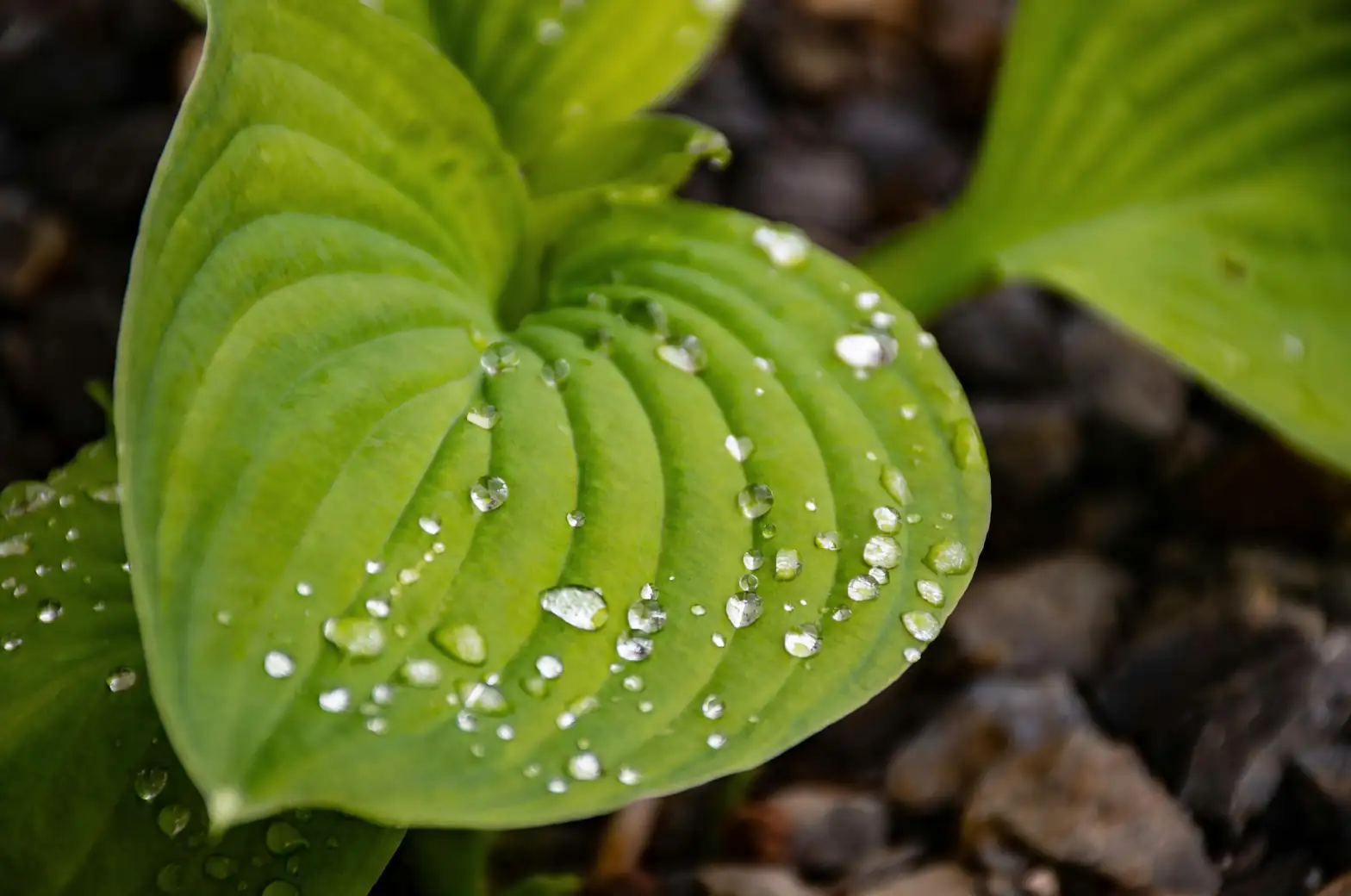
Prevention is always better than cure. Ensure your Sweet Osmanthus is planted in well-drained soil and receives adequate light. Avoid overhead watering to keep the foliage dry. If disease strikes, early treatment with a Bordeaux mixture or a broad-spectrum fungicide can help manage the problem. Always follow local instructions for application to ensure safety and effectiveness.
Prevention Tips: Cultivating a Resilient Osmanthus
- Location and Light: Plant your Sweet Osmanthus in a spot with full sun to partial shade. Bright light encourages robust growth and abundant blooms, while a bit of afternoon shade can prevent leaf scorch in intense summer heat.
- Watering Wisely: Keep the soil evenly moist during active growth, but reduce watering as the flowering season approaches. During winter, water sparingly to prevent root rot.
- Regular Inspection: Monitor your plant regularly for signs of pests or diseases. Early detection is key to effective management.
- Nutrient Boost: Feed container plants monthly during growth and flowering with a balanced fertilizer to keep them strong and healthy.
A Fragrant Finale
The Sweet Osmanthus is more than just a pretty face; it’s a symbol of elegance, refinement, and a fragrance that lingers in memory and garden alike. By understanding and addressing its common pests and diseases, you can ensure that it remains a delightful centerpiece in your landscape. Remember, a little attention and care go a long way in maintaining the health and beauty of this beloved plant. So, as you tend to your garden, let the sweet notes of Osmanthus fragrans be your guide to a thriving, fragrant paradise.


