When the weather turns warm and sticky, gardeners know that fungal diseases might be lurking just around the corner. Humid environments create ideal conditions for a variety of fungi, eager to feast on your plant babies and bring chaos to your carefully tended garden. But fear not! With the right strategies, you can outsmart these pesky pathogens and keep your garden healthy and thriving.
Understanding Fungal Foes
Fungi thrive in humid conditions, and some of the most common villains you’ll encounter include:
- Black Spot: Look out for dark spots on the upper sides of leaves, which can eventually turn yellow. This disease loves wet foliage, so avoid overhead watering to keep it at bay.

- Rust: Known for its rust-orange pustules on the undersides of leaves, rust spreads easily in cool, moist weather. Keeping plants dry and well-spaced can help prevent its spread.
- Botrytis Blight (Gray Mold): This sneaky fungus loves attacking flower petals and buds, leaving behind fuzzy gray mold. It thrives in high humidity and poor air circulation, so ensure your plants have plenty of breathing room.
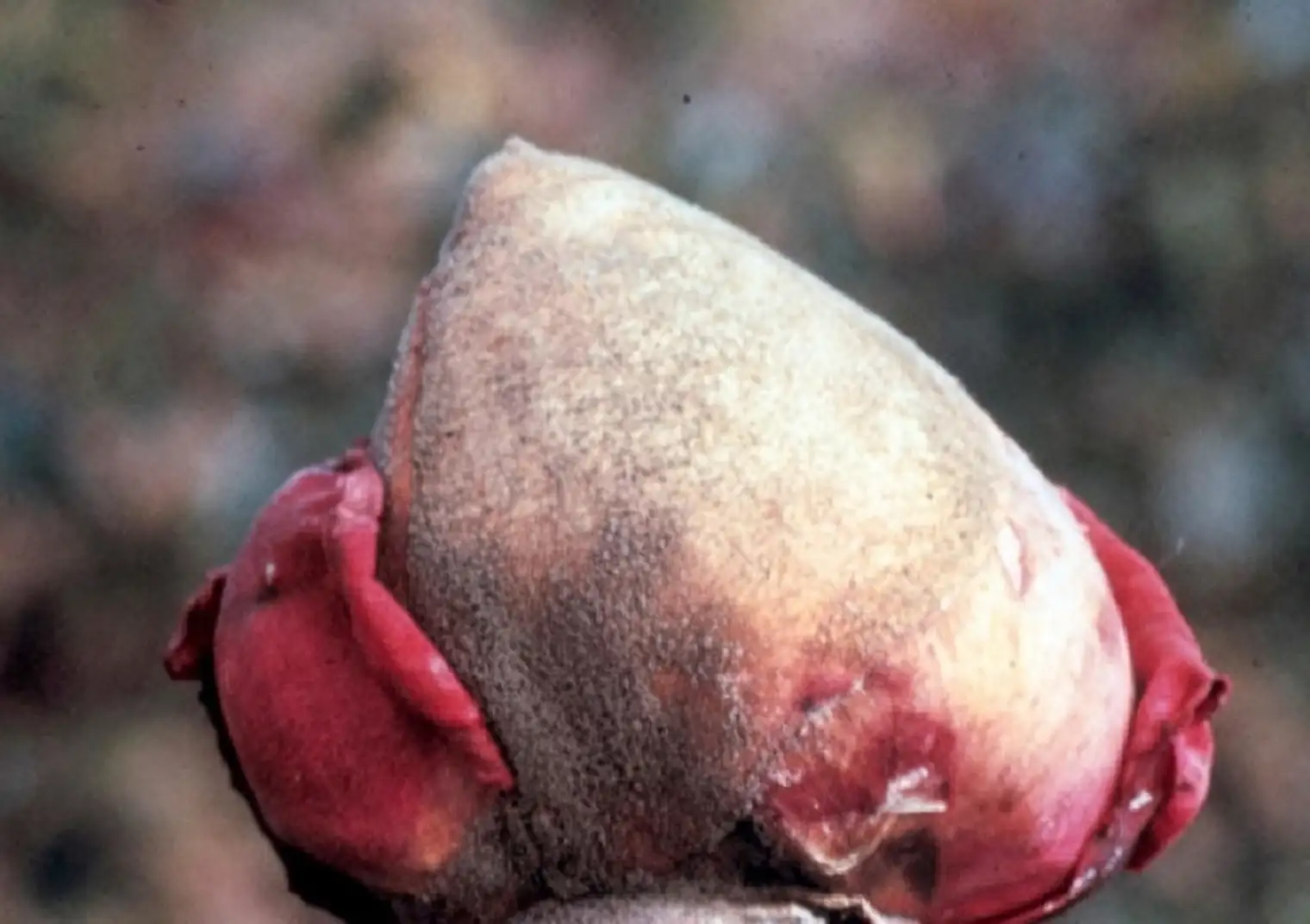
- Powdery Mildew: Unlike its fungal cousins, powdery mildew doesn’t need free water to spread. It coats leaves and stems with a white, powdery film, especially in warm, humid conditions. Keeping humidity in check is key to controlling this disease.
Cultural Practices for Fungal Defense
Adopting smart gardening habits can significantly reduce the risk of fungal infections:
- Choose the Right Plants: Opt for disease-resistant varieties and plant them in spots that suit their needs. Stress from poor placement can make plants more susceptible to disease.
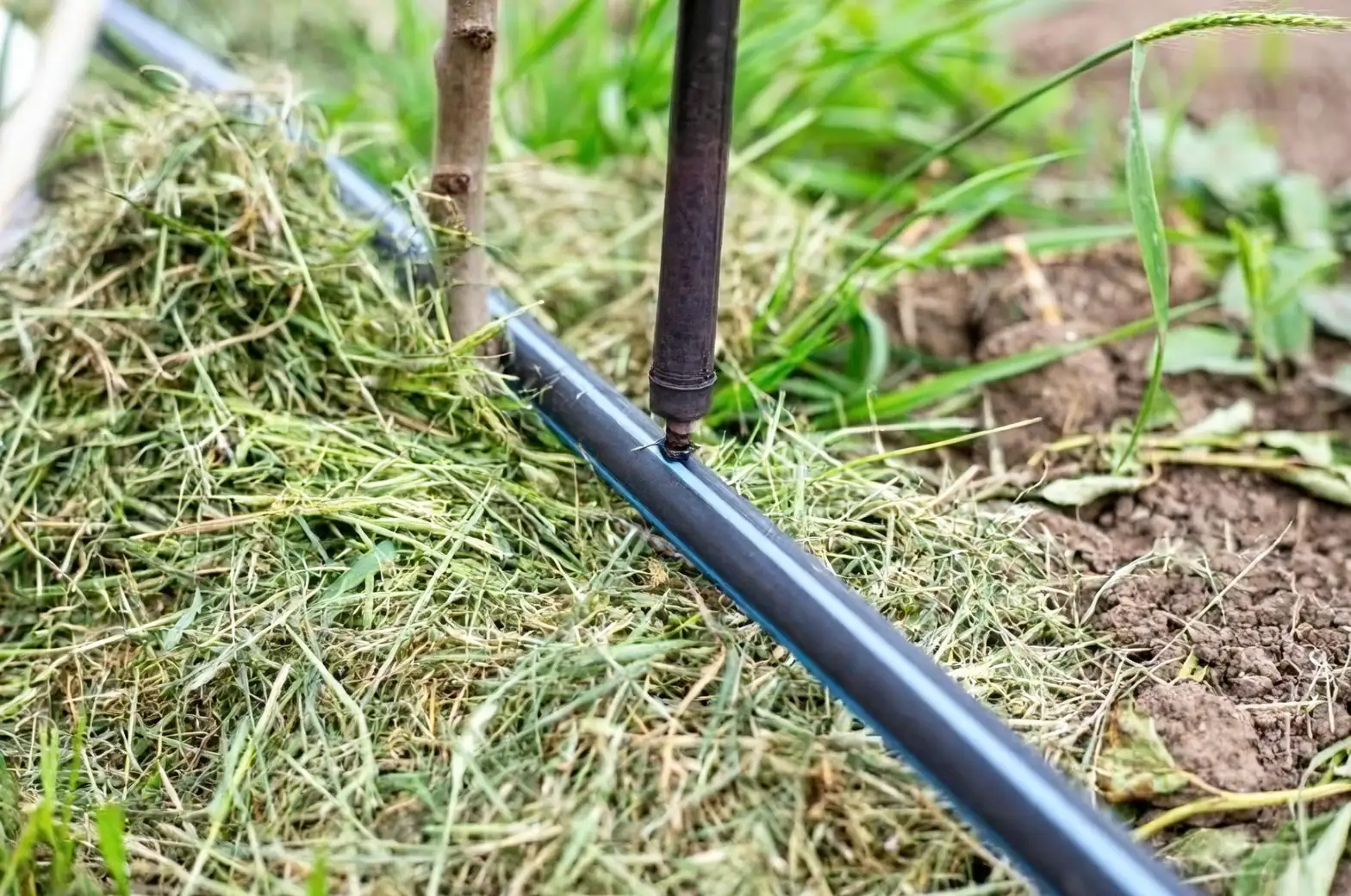
- Water Wisely: Stick to watering at the base of plants to keep foliage dry. Drip irrigation systems can be a great investment to ensure water reaches the roots without wetting the leaves.
- Enhance Air Circulation: Avoid overcrowding by spacing plants appropriately to allow for airflow. This minimizes the humid microclimates fungi love.
- Cleanliness is Key: Regularly remove dead leaves and debris where fungi might hide. Sterilize your tools to prevent spreading pathogens from plant to plant.
Tactical Treatments
When prevention isn’t enough, here’s how to tackle fungal diseases:
- Stay Dry: Reduce humidity by using dehumidifiers in greenhouses or growing areas. Ventilation is vital to keeping the air moving.
- Apply Antifungal Products: Use antifungal powders or sprays as a protective measure. Apply them before symptoms appear for best results.
- Act Quickly: At the first sign of disease, remove affected plant parts to prevent further spread. Be vigilant especially during the humid months of spring and fall, when fungal activity is at its peak.
Common Mistakes to Avoid
- Ignoring Plant Needs: Placing plants in unsuitable environments can stress them, making them more prone to disease.
- Overwatering: Too much water promotes fungal growth. Ensure soil has good drainage and water only when necessary.
- Lack of Monitoring: Regularly check your plants for early signs of fungal infections. Early detection can save a plant from severe damage.
With these strategies in your gardening toolkit, you can tackle fungal foes head-on and keep your garden lush and vibrant, even in the most humid conditions. Happy gardening!