

From Ancient Healers to Modern Blooms: The Journey of Malva sylvestris
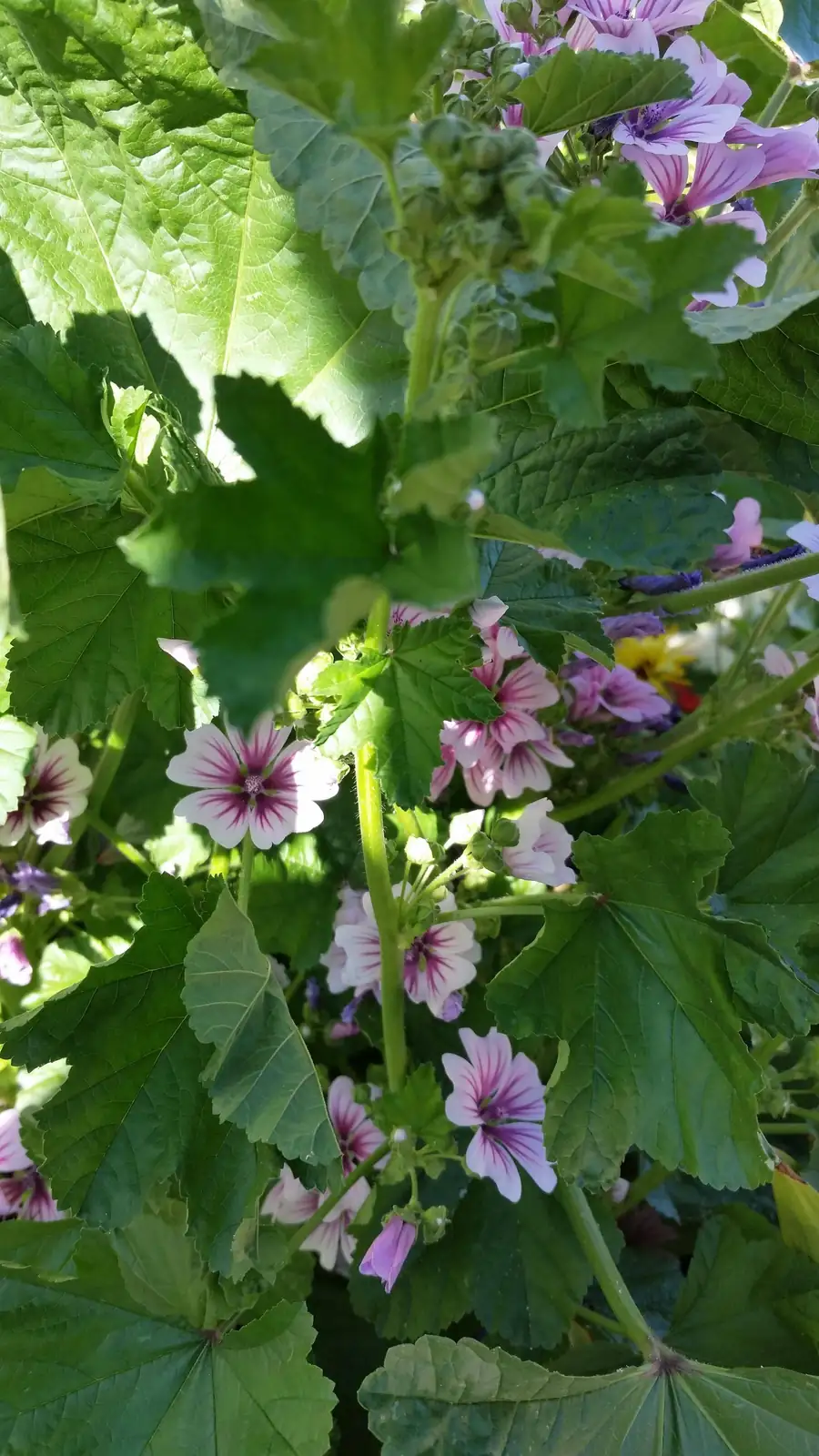
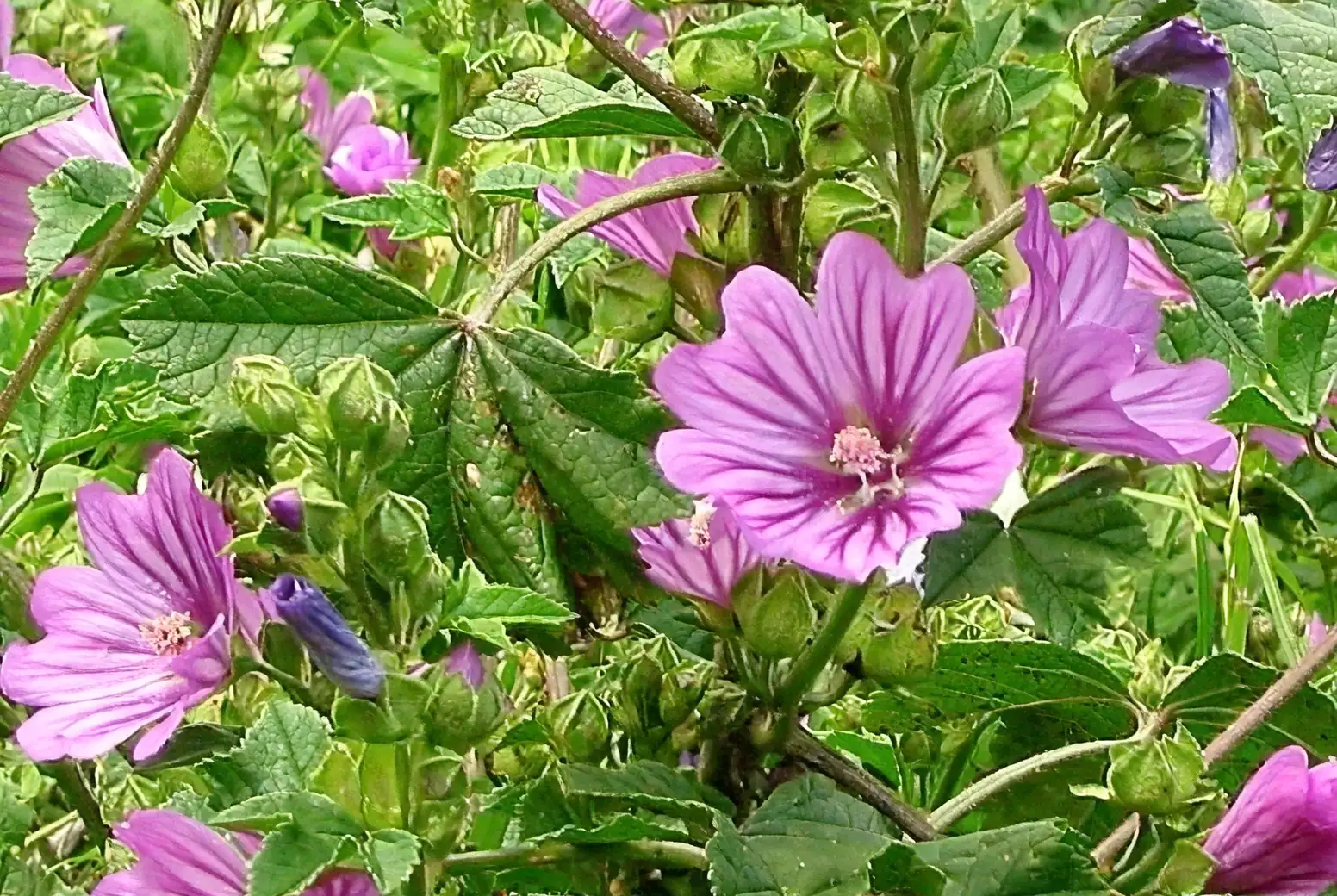
Imagine strolling through a sun-kissed garden where vibrant clusters of rose-purple flowers, etched with darker veins, sway gently in the breeze. This charming plant, known as Common Mallow or Malva sylvestris, has a history as rich as its hue—a history that winds its way from ancient herbal remedies to today’s ornamental gardens.
A Botanical Time Traveler
Native to Europe, western Asia, northern Africa, and the Mediterranean region, Common Mallow has played numerous roles throughout history. Ancient Greek writers extolled its virtues as a versatile remedy, while the Roman naturalist Pliny the Elder believed in its daily consumption for good health. During medieval times in Europe, it was a staple in household herbal practices, and across centuries, it’s been cultivated as a vegetable in China. Its leaves and flowers were even used as a famine food, mentioned in biblical tales.
This plant’s long-standing reputation isn’t just based on old wives’ tales. The soothing properties attributed to its soft, mucilaginous nature have found support in modern science, proving it effective for soothing throat and digestive complaints.
A Garden’s Delight
In modern gardens, Malva sylvestris is more than just a pretty face among the foliage. This easygoing biennial or short-lived perennial herb is a cold-hardy, drought-tolerant, and easy-to-grow plant that blooms generously from late spring through autumn. Forming an upright, bushy clump, it reaches heights of 60 to 120 cm (2 to 4 ft) and spreads about 60 to 90 cm (2 to 3 ft) wide.
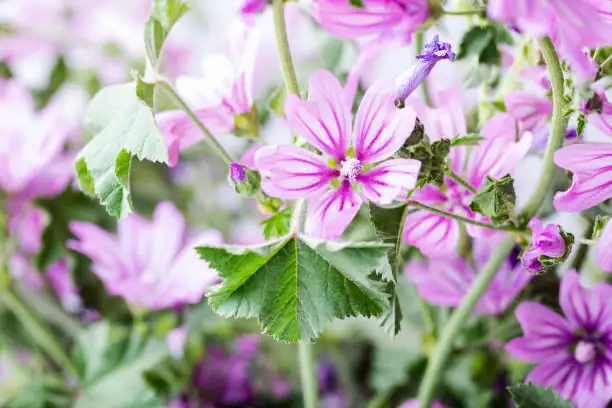
Its five-petaled flowers are not only eye-catching but also edible, adding a pop of color and a mild taste to salads. The plant’s adaptability allows it to thrive in various soils, provided there’s good drainage, and it can handle a range of temperatures from 15 to 27°C (65 to 85°F), even enduring frost once established.
The Language of Love and Healing
In the Victorian era, flowers were a silent language, each bloom carrying its own message. The mallow, with its association with love, protection, and healing, could suggest a love so deep it consumes. This symbolism is not just rooted in romance but also in the plant’s historic use as a healer, offering comfort and care much like a loving embrace.
Cultivating Your Own Slice of History
For those with a green thumb—whether novice or seasoned—cultivating Common Mallow can be a rewarding endeavor. It thrives best in full sun to part shade and prefers a moderately humid environment. Once established, it requires minimal fuss, making it ideal for beginners. Water it regularly while young, then shift to deeper, less frequent watering. A balanced slow-release fertilizer in early spring or late fall is enough to keep it thriving without encouraging too much leafy growth at the expense of flowers.
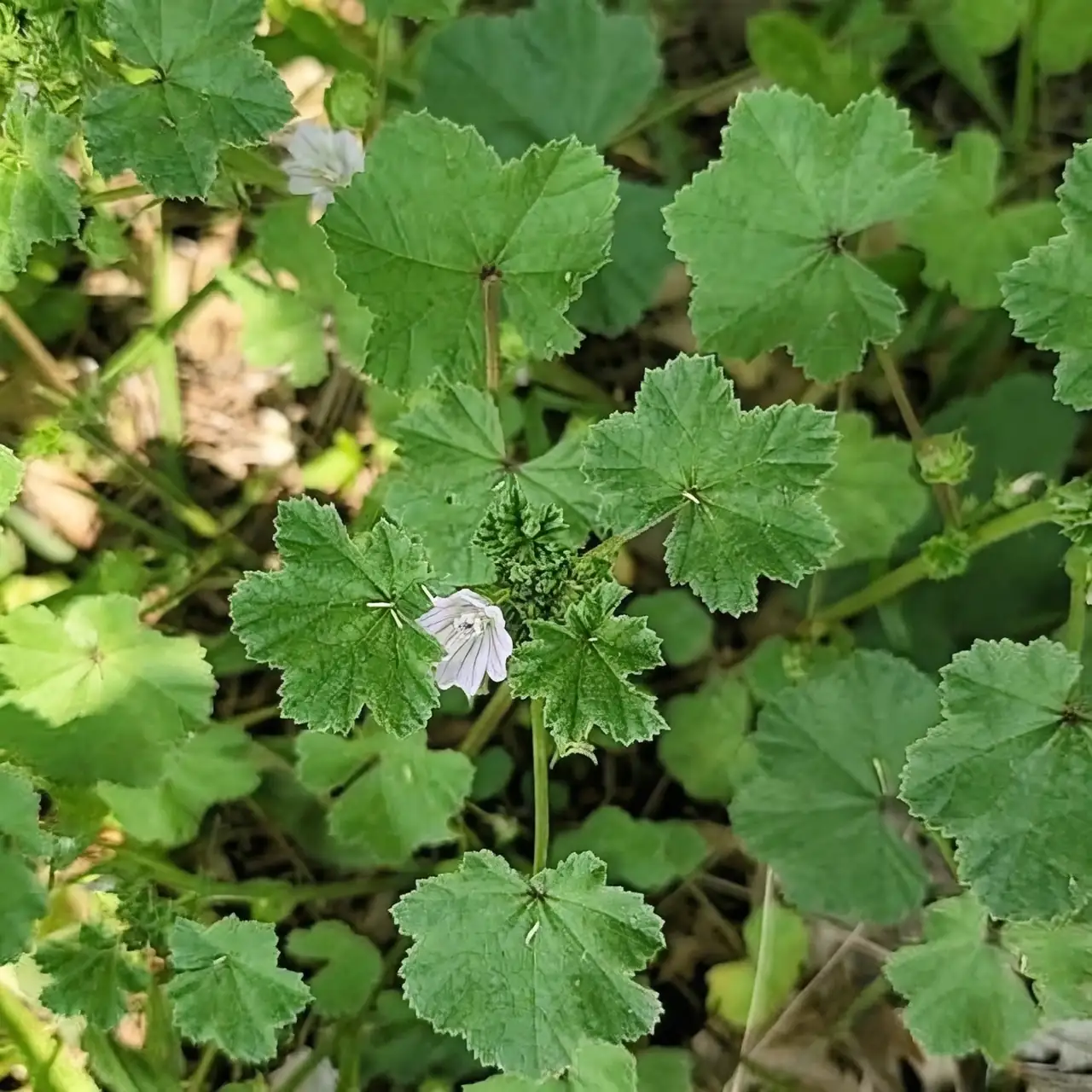
To keep your mallow blooming from May to October, deadhead the spent flowers. This not only prolongs the flowering season but also helps control its enthusiastic self-seeding if you prefer a tidier garden.
Embracing Its Culinary and Medicinal Gifts
Beyond its ornamental appeal, Common Mallow offers culinary and medicinal benefits. Its young leaves, stems, and seeds can be added fresh to salads or cooked like leafy greens. Traditional herbalists use its leaves, flowers, and roots in teas and skin preparations, offering natural comfort for throat and digestive issues.
A Plant for Every Garden
Whether you’re drawn to its history, its beauty, or its benefits, Malva sylvestris makes a delightful addition to any garden. It’s perfect for beds and borders, cottage gardens, wildflower meadows, and informal areas like roadsides. Even container gardeners can enjoy its charm by using pots with excellent drainage.
As you plant your mallow, you’re not just adding a flower to your garden; you’re planting a piece of living history, a testament to the enduring allure of a plant that has journeyed from ancient herbalists to your modern backyard. So, as you watch its flowers dance in the sunlight, remember the stories they carry—tales of love, healing, and resilience through the ages.


