

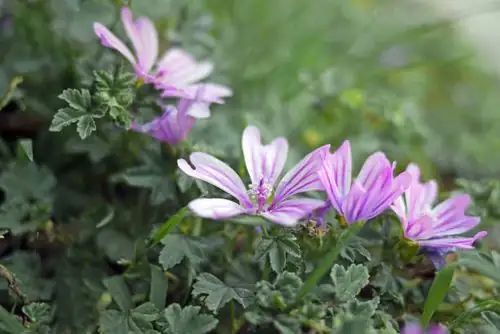
Meet the Common Mallow: A Garden Favorite with a Few Challenges
The Common Mallow (Malva sylvestris) is a delightful addition to any garden. With its charming rose-purple flowers and a reputation for being easy to grow, it’s a must-have for those who love a touch of the wild in their backyard. But like any beloved garden resident, it has its share of health concerns. Together, we’ll explore the pests and diseases that might pay an unwelcome visit to your mallow, with a special focus on the infamous mallow rust. Let’s dive into the world of plant care and protection!
Understanding the Common Mallow
Before we get into the nitty-gritty of pest management, it’s important to understand what makes the Common Mallow so special. Native to Europe, western Asia, and northern Africa, this hardy plant has a rich history as both a culinary and medicinal herb. It typically forms an upright, bushy clump, stretching up to 4 feet tall, with its lavish blooms gracing the garden from late spring to autumn.
The Common Foes of Common Mallow
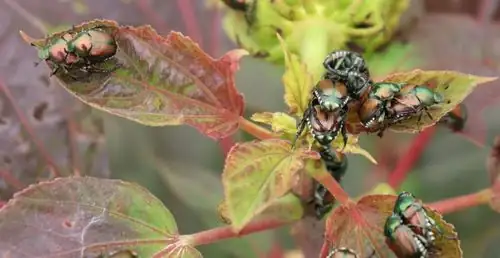
Japanese Beetles
While Japanese beetles love a good mallow meal, they are not the most persistent threat. These shiny critters might nibble on the leaves and flowers, but they are usually just passing through. Handpicking them off your plants or using traps can help manage these beetle bandits.
Mallow Rust: The Main Culprit
The real villain in the mallow garden is mallow rust, a fungal disease that can turn your vibrant plant into a sorry sight. This disease is characterized by orange-brown pustules that often appear on the undersides of leaves, especially during warm, humid weather.
Symptoms and Impact:
- Visual Clues: Look for orange-brown blisters on the leaf undersides.
- Growth Reduction: Affected plants might experience stunted growth and reduced flowering.
- Leaf Drop: Severe rust can lead to premature leaf drop, weakening the plant further.

Practical Solutions to Combat Mallow Rust
1. Improve Airflow: Ensuring good air circulation around your plants can help reduce humidity, making it harder for rust to take hold.
2. Water Wisely: Avoid overhead watering. Instead, water at the base to keep foliage dry.
3. Remove Infected Leaves: Promptly remove and dispose of infected leaves. Do not compost these, as the rust can survive and spread.
4. Healthy Spacing: Plant your mallows with enough space between them to allow air movement and sunlight penetration.
5. Use Fungicides Thoughtfully: If rust becomes a persistent problem, consider using a fungicide as a last resort. Always follow the label instructions for safe and effective use.
Beyond Rust: Other Care Tips
- Soil and Sunlight: Common Mallow thrives in well-drained soil and prefers full sun to part shade. Full sun will reward you with the richest flower color and most blooms.
- Watering and Feeding: Regular watering is essential while the plant is young. Once established, you can switch to deeper, less frequent watering. A light annual feed with a balanced fertilizer is sufficient.
- Prune and Propagate: While pruning isn’t strictly necessary, deadheading spent blooms can encourage more flowering. The plant self-seeds readily, but you can also propagate from seeds if you’re keen to expand your mallow collection.
Bringing It All Together
Despite its few challenges, the Common Mallow remains a resilient and rewarding addition to any garden. By understanding the threats it faces and adopting a proactive approach to care, you can enjoy a healthy, flourishing plant that brings color and joy season after season. Whether you’re a seasoned gardener or a budding enthusiast, the Common Mallow is ready to offer its beauty—and maybe a little taste of history—to your garden tableau. So, why not let this charming flower cast its spell over your outdoor space?


