

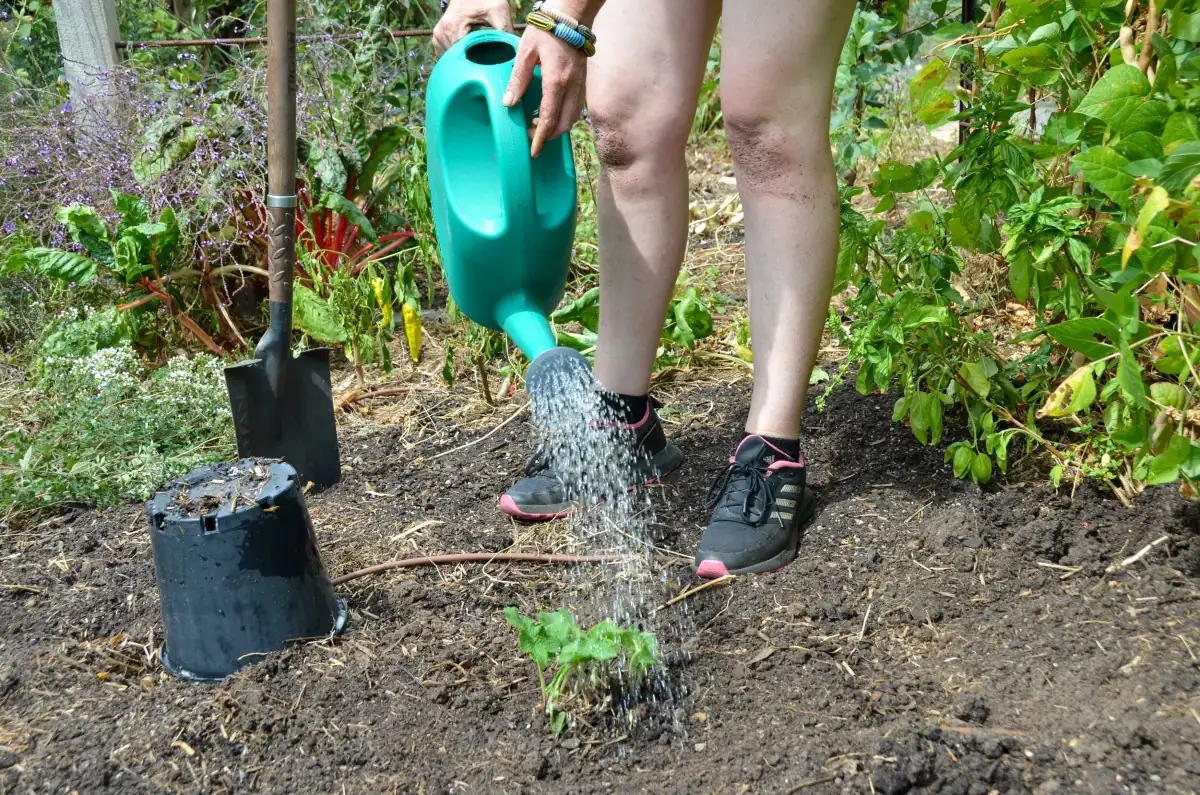
Transplanting can be a thrilling step in your gardening journey, but if those freshly moved plants start to look droopy and sad, don’t worry—you’re not alone! Let’s dive into practical, everyday tips to help you care for wilting plants after a transplant and get them back to their vibrant selves.
Understanding Transplant Shock
When you move a plant from one spot to another, it can go through a period of stress known as transplant shock. This happens because the plant’s roots, which are crucial for water and nutrient absorption, often get disturbed during the move. This disruption can lead to wilting, even if the soil is moist. But fear not! With some TLC, your plants can bounce back.
Key Signs of Transplant Shock
- Wilting: Despite moist soil, plants may droop.
- Leaf Drop: Leaves might fall off as the plant conserves energy.
- Stunted Growth: Growth may slow temporarily.
- Discoloration: Leaves could change color due to nutrient uptake issues.
How to Nurse Them Back to Health
Step 1: Gentle Watering
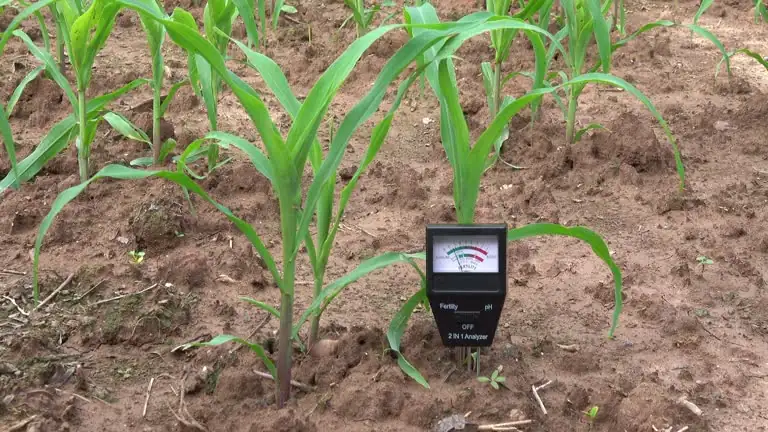
While it might be tempting to drown a wilting plant in water, resist the urge. Overwatering can worsen the situation by suffocating the roots. Instead, keep the soil lightly moist, checking the moisture level by sticking your finger a couple of inches into the soil. If it’s dry at that depth, it’s time to water gently.
Step 2: Provide Shelter
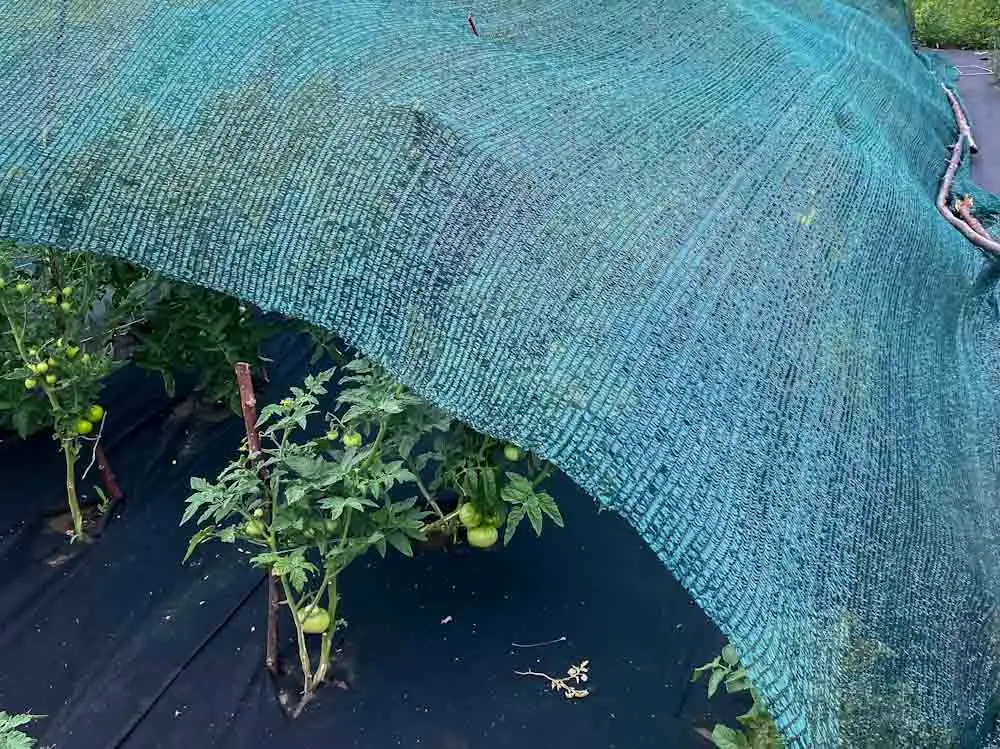
Newly transplanted plants benefit from some protection. If possible, transplant in the evening when the sun is less intense. You can also use row covers or even a simple shade cloth to shield your plants from harsh sunlight and wind during their critical first days in their new home.
Step 3: Avoid Fertilizing
Hold off on feeding your plants until they show signs of recovery. Fertilizers can add stress to an already shocked plant. Once they begin to show new growth, you can start a gentle feeding routine.
Step 4: Be Patient
Transplant shock can take a few days to weeks to resolve, depending on the plant type and conditions. Keep a close eye on your plants, but remember that a little patience goes a long way. Most plants will recover with time and proper care.
Preventing Transplant Shock in the Future
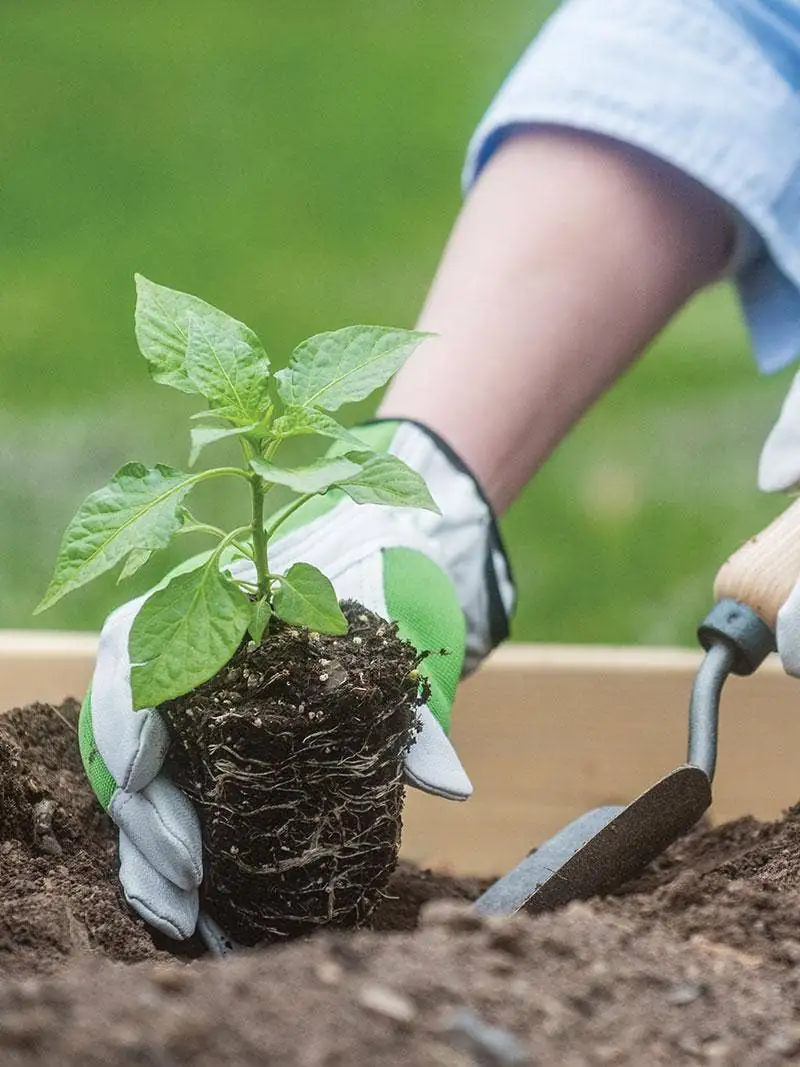
Here are some tips to minimize transplant shock the next time you’re moving plants:
- Timing Is Everything: Transplant on cool, cloudy days or in the evening to reduce stress from heat and sunlight.
- Handle with Care: Be gentle with roots during the move. If roots are compacted, loosen them gently before planting.
- Right Environment: Make sure the new location mimics the previous conditions as closely as possible in terms of light and temperature.
Conclusion
Transplanting is a delicate process that can temporarily stress plants, but with the right care and attention, your green friends will soon be thriving in their new spots. Remember, patience and gentle care are your best tools in helping plants overcome transplant shock. Happy gardening! 🌿


