
When it comes to nurturing your garden or indoor plants, understanding plant growth issues like etiolation and stunting is key. Both conditions can make your green friends look less than vibrant, but they stem from different causes and require their own solutions. Let’s dive into the world of plant growth, unravel the mysteries of these conditions, and learn how to keep your plants thriving.
What is Etiolation?
Etiolation is a fascinating survival mechanism that plants engage in when they’re starved for light. Imagine a seedling stretching desperately toward a sunbeam, its stem growing long and weak, its leaves small and pale. That’s etiolation in action! This condition is most commonly seen in plants growing in dimly lit environments, such as under a thick canopy of leaves or in a dimly lit room.
Key Characteristics of Etiolation:
- Long, Weak Stems: Without adequate light, the plant prioritizes reaching a light source over building strong structure.
- Pale Leaves: The lack of chlorophyll, which gives leaves their green color, results in a yellowish hue.
- Fewer Leaves: Longer internodes (the space between leaves) mean fewer leaves overall.
Causes and Solutions:
The culprit here is the plant hormone auxin, which encourages stem elongation in low-light conditions. To combat etiolation, simply increase the plant’s light exposure. Move your plant closer to a window, clear away shading foliage, or use grow lights for indoor plants. If you’ve ever sprouted seeds on a windowsill, you might have witnessed this firsthand!
What is Plant Stunting?
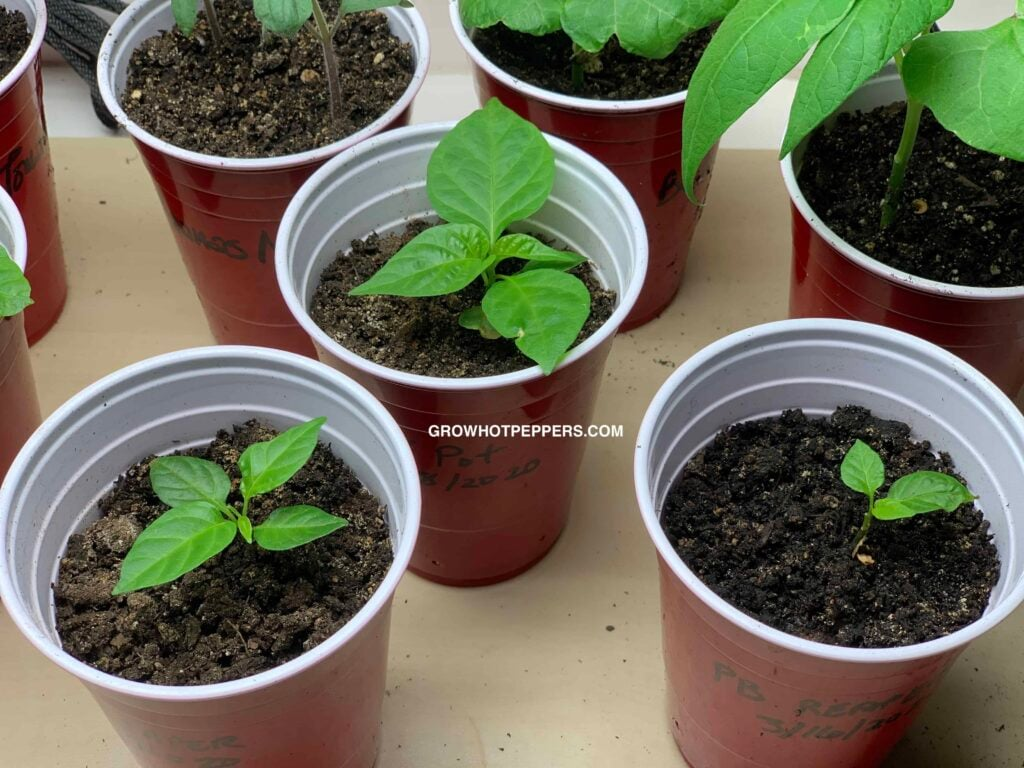
While etiolation is about reaching for light, stunting is about not growing enough due to stress or environmental limitations. Stunted plants are often smaller and may have fewer leaves or flowers than expected.
Common Causes of Stunting:
- Nutrient Deficiencies: Lack of essential nutrients like nitrogen or phosphorus can halt growth.
- Water Stress: Either too much or too little water can prevent a plant from reaching its full size.
- Pests and Diseases: Infestations or infections can sap a plant’s energy, leading to stunted growth.
- Soil Compaction: Dense soil can restrict root growth, limiting the plant’s ability to take up water and nutrients.
Addressing Stunting:
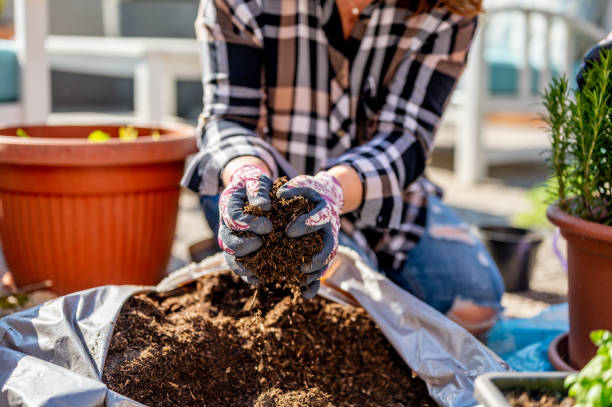
To help a stunted plant, start by checking its growing conditions. Ensure it has the right soil, adequate nutrients, and a proper watering routine. Regularly inspect for pests and signs of disease. Sometimes, simply repotting the plant into fresh, well-draining soil can make a world of difference.
Bringing It All Together
While etiolation and stunting might result in similar visual cues—a plant that isn’t thriving—they require different approaches. Etiolation is a response to a lack of light, while stunting can be due to a variety of stress factors. Regularly check your plants and adjust their care regimen as needed. Remember, a little attention and timely intervention can turn your struggling plant into a flourishing specimen. Happy gardening!