

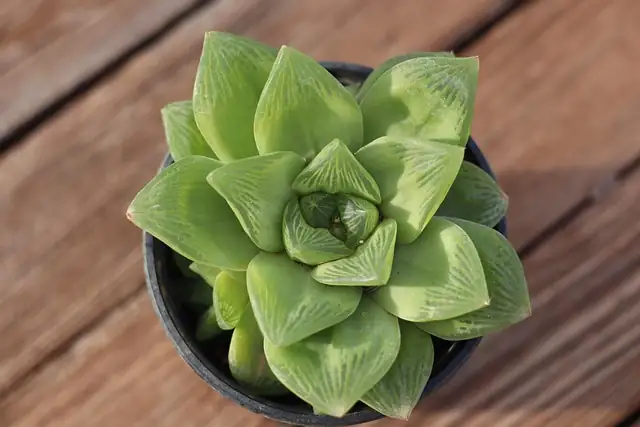
If you’re looking to expand your collection of delightful, easy-care succulents, the Zebra Haworthia (Haworthiopsis attenuata) is a perfect candidate. Resilient and charming, this compact succulent can thrive on your windowsill, desk, or shelf, gracing your space with its distinctive white-striped leaves. But why stop at just one? With a little know-how, you can propagate these beauties to share with friends or fill your home with their cheerful presence. Let’s delve into the art of multiplying your Zebra Haworthia through offsets and leaves.
Getting to Know Your Zebra Haworthia
Native to the sun-kissed regions of Southern Africa, especially the Eastern Cape Province of South Africa, the Zebra Haworthia is a slow-growing succulent that forms elegant rosettes adorned with bold, white bands. These striking features have earned it nicknames such as Zebra Cactus, despite it being a succulent rather than a true cactus.
The Perfect Environment
Zebra Haworthias are the epitome of low-maintenance. They revel in bright, indirect light but are also content in partial shade, making them more forgiving than many other succulents. While they can handle a bit of morning sun, be cautious of intense afternoon rays that could scorch their leaves. Indoors, they thrive in typical home temperatures, preferring a range of 10–24°C (50–75°F). Just remember, they aren’t fond of frost, so if you’re moving them outdoors, wait for frost-free weather.

Propagation: Offsets vs. Leaves
Propagating Through Offsets
Offsets, or pups, are the Zebra Haworthia’s natural way of saying, “I’m ready for a family!” These mini-rosettes sprout around the base of the parent plant. Here’s how you can encourage them to thrive on their own:
- Timing is Key: The best time to separate offsets is during the spring, when the plant is actively growing.
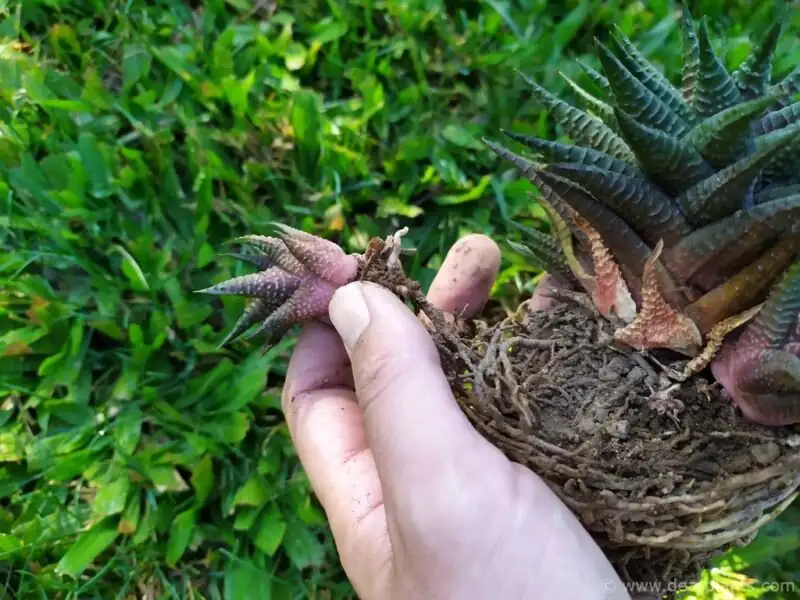
- Remove the Offsets: Gently remove the Zebra Haworthia from its pot and brush away the soil to reveal the offsets. Using a clean, sharp knife, cut the offset away from the mother plant, ensuring each has a bit of root attached.
- Let the Wounds Heal: Allow the cut surfaces to callus over by leaving them in a dry, shaded spot for a few days. This step is crucial to prevent rot.
- Potting Up: Plant each offset in a gritty, well-draining succulent mix. Water sparingly until new growth indicates the plant is established.
Leaf Propagation: A Challenge Worth Trying
While leaf propagation can be a bit more hit-or-miss, it’s a rewarding experiment for the adventurous gardener:
- Choose the Right Leaf: Select a healthy leaf and gently twist it away from the stem, ensuring a clean break with a tiny piece of the base attached.
- Callus Formation: Similar to offsets, allow the leaf to dry and form a callus over a few days.
- Set in Soil: Lay the leaf on top of a gritty soil mix, misting lightly to encourage root development.
- Patience is a Virtue: Roots may start forming in 20–25 days. Once they reach about 2–3 cm (0.8–1.2 in), you can pot the new plantlet.
Care Tips for Your Growing Collection
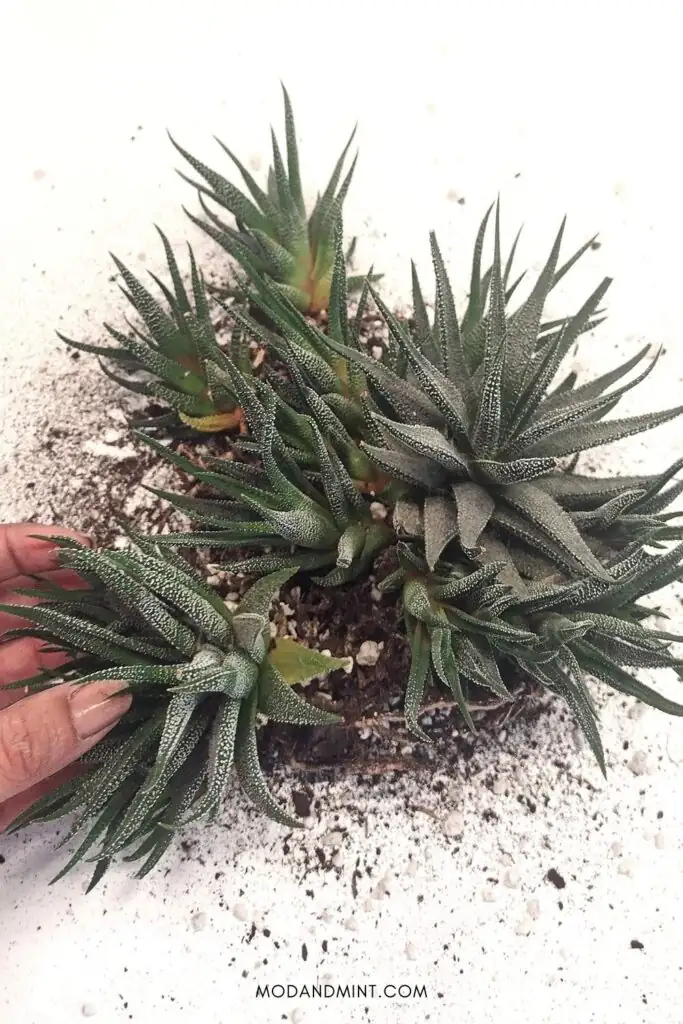
- Watering: Adopt the “soak and dry” method. Water thoroughly, then let the soil dry out completely before the next watering. This usually means watering every 2–3 weeks during active growth, less so in winter.
- Soil and Potting: Use a fast-draining mixture and a pot with drainage holes to prevent rot. Repot every 2–3 years or when the plant outgrows its container.
- Fertilization: During the growing season, a gentle feeding every 4–6 weeks with a diluted succulent fertilizer will suffice.
The Art and Symbolism of Zebra Haworthia
Beyond their aesthetic appeal, Zebra Haworthias symbolize resilience and vitality. Their ability to thrive with minimal fuss embodies a calm simplicity, making them a beloved choice for homes worldwide.
In the end, propagating Zebra Haworthias is not just about increasing your plant count—it’s about cultivating patience, observation, and a deeper connection with your green companions. Whether you’re a seasoned plant enthusiast or a budding gardener, these charming succulents will reward your care with their steadfast growth and cheerful demeanor. So, why not start your propagation journey today and watch your plant family flourish?


