

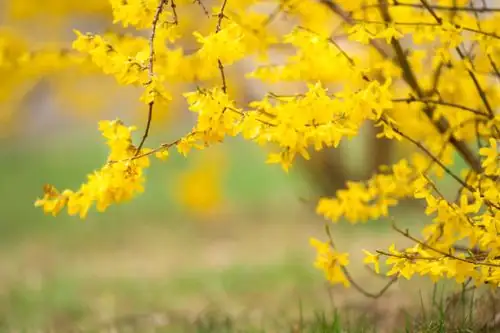
When the first whispers of spring begin to tickle the senses, few plants announce the season’s arrival more joyously than Forsythia suspensa. Known for its brilliant display of golden-yellow blooms, this deciduous shrub not only brightens gardens but also serves as a harbinger of warmer days. Whether you’re a seasoned gardener or a green-thumbed novice, Forsythia offers an easy-care option that thrives with minimal fuss. Let’s dive into the world of Forsythia and discover how to cultivate these golden bells to ensure a dazzling spring display.
Setting the Stage: Light and Location
Forsythia thrives best in full sun, basking in the warmth of at least six hours of direct sunlight each day. This sun-loving nature is key to its prolific bloom, transforming ordinary garden spaces into vibrant, golden displays. While Forsythia can tolerate partial shade, be prepared for a slight dip in flowering intensity. Picture it as a sunbather soaking up rays after a long winter—move it to the shade, and it’ll still smile, but not as brightly.
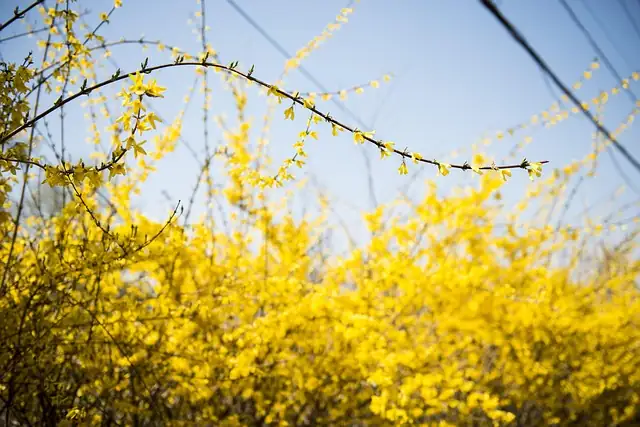
For optimal growth, plant Forsythia in well-draining soil that retains just enough moisture without becoming waterlogged. It’s adaptable to a variety of soil types, from slightly acidic to mildly alkaline. Imagine it as a seasoned traveler, comfortable in different terrains, as long as it’s not stuck in a swamp!
Watering Wisdom: Quenching Forsythia’s Thirst
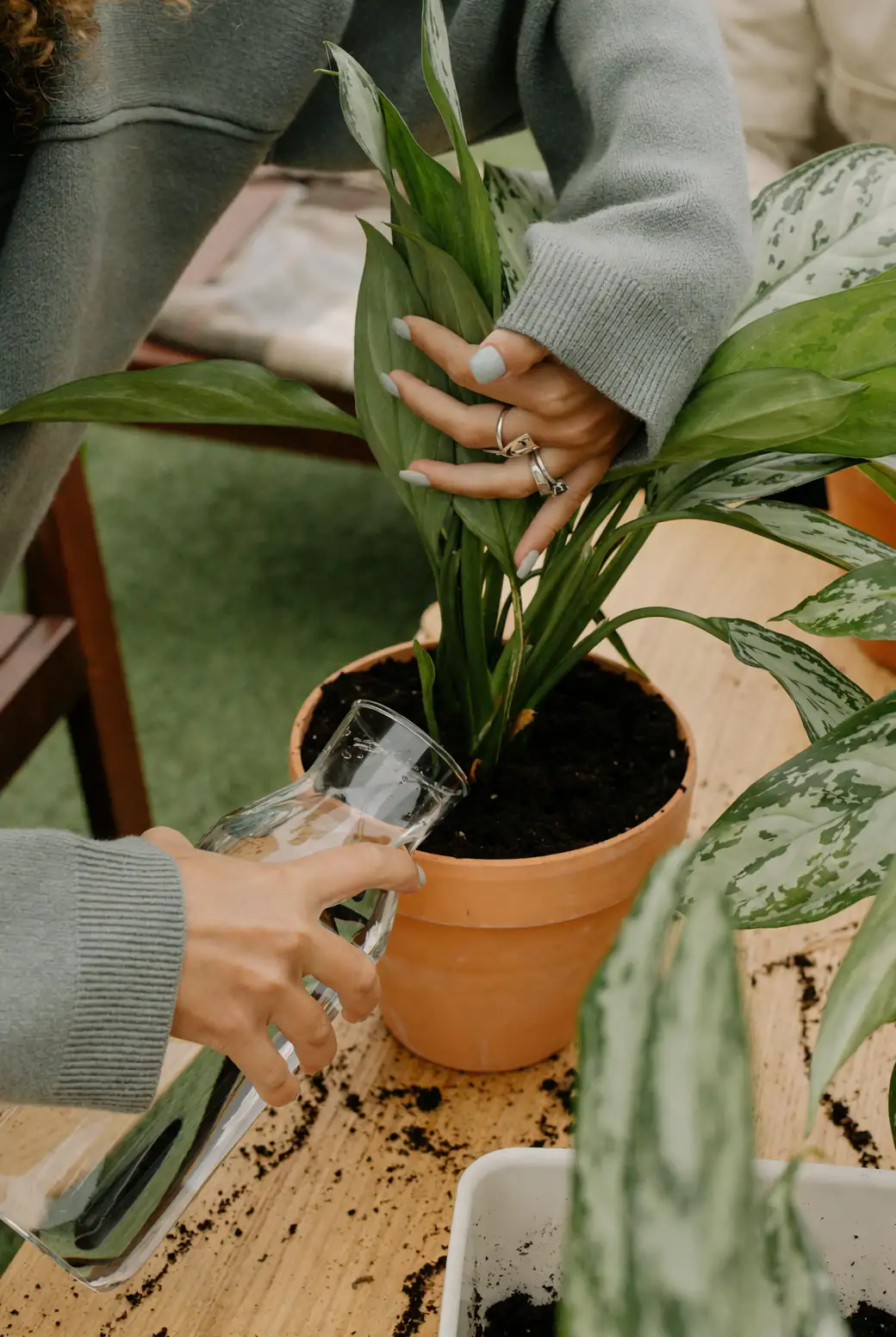
In the first year after planting, Forsythia requires consistent watering to establish a robust root system. Aim for about 2.5 to 5 centimeters (1–2 inches) of water per week, whether from rainfall or supplemental watering. Once established, Forsythia becomes quite drought-tolerant, but it still appreciates a deep drink during prolonged dry spells. Think of it as a marathon runner that trains with water breaks—occasional deep watering ensures it’s ready to run the spring blooming marathon.
Seasonal Care: Nurturing Forsythia Year-Round
Spring: The Golden Moment
As Forsythia awakes from winter’s grip, enjoy the spectacle of blooms unfurling along bare stems. Protect flower buds from late frosts if possible, as these can nip buds in the bud, so to speak. Once the blooms fade, it’s time to prune. Pruning right after flowering helps maintain the shrub’s natural form and encourages the next season’s blooms.
Summer: Maintenance Mode
During the heat of summer, monitor moisture levels and water during drought. Keep an eye out for pests like aphids, although Forsythia is generally trouble-free. Consider it your summer intern—mostly self-sufficient but occasionally needing guidance.
Fall: Planting and Prepping
Fall presents an ideal time for planting new Forsythias. The cooler temperatures allow roots to establish without the stress of summer heat. Mulch around the base to buffer winter temperature swings and retain soil moisture, essentially wrapping your shrub in a cozy blanket.
Winter: Rest and Recovery
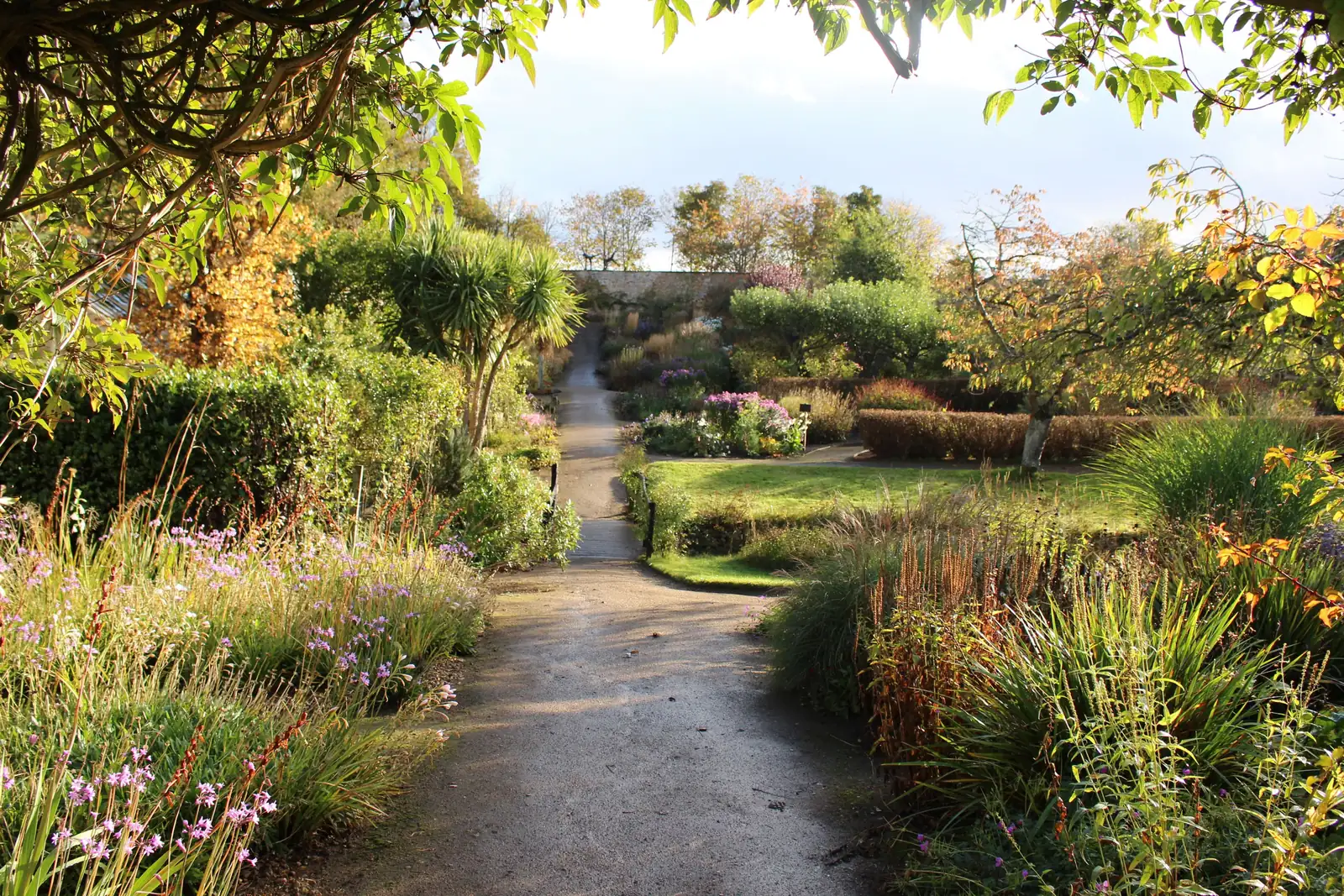
While the shrub rests, take advantage of its bare structure to assess and plan for the coming year. In milder regions, bare-root planting can be successful during this dormant period.
Pruning and Propagation: Shaping and Sharing
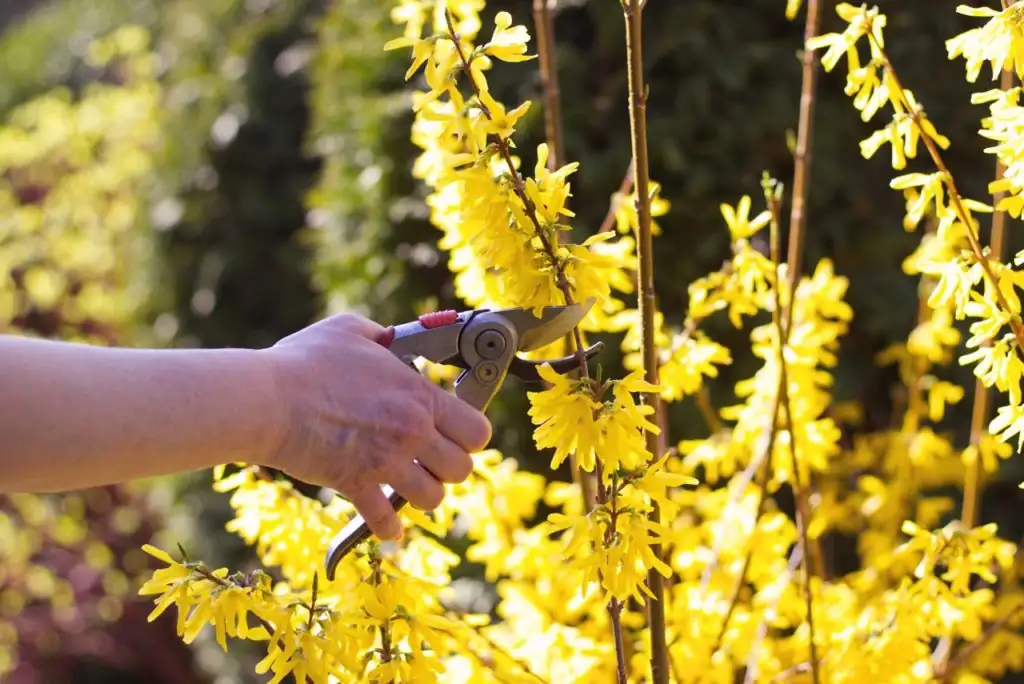
Forsythia’s natural form is a joy to behold, with its arching branches creating a graceful silhouette. Prune after flowering to remove dead or crossing stems, and every couple of years, rejuvenate the plant by cutting back a portion of the oldest canes. Forsythia is a generous soul—easy to propagate from stem cuttings or by layering, where branches naturally root when they touch the ground.
Flower Language and Symbolism
In the language of flowers, Forsythia symbolizes anticipation and the hope of new beginnings—a fitting emblem for the start of spring. In Chinese culture, it’s associated with good fortune and prosperity, making it a cherished addition to gardens and celebrations alike. Its early bloom is nature’s way of whispering, “The best is yet to come.”
Conclusion: A Burst of Sunshine
Forsythia suspensa is more than just a plant; it’s a vibrant herald of spring, offering gardeners a burst of color with minimal care. By understanding its needs and providing a little nurturing, you’ll be rewarded with a show-stopping display that lifts spirits and announces the arrival of a new season. So, dig in, plant those golden bells, and let Forsythia bring sunshine to your garden, no matter the weather!


