Are your plants looking a little under the weather despite your best efforts? The culprit might be lurking beneath your feet: compacted soil. Poor soil drainage and aeration can lead to a host of plant problems like root rot, nutrient deficiencies, and pest infestations. But fear not! With a few adjustments, you can turn your soil into a thriving home for your plants. Let’s dive into some practical and easy tips to improve your garden’s soil drainage and aeration.
Understanding the Problem
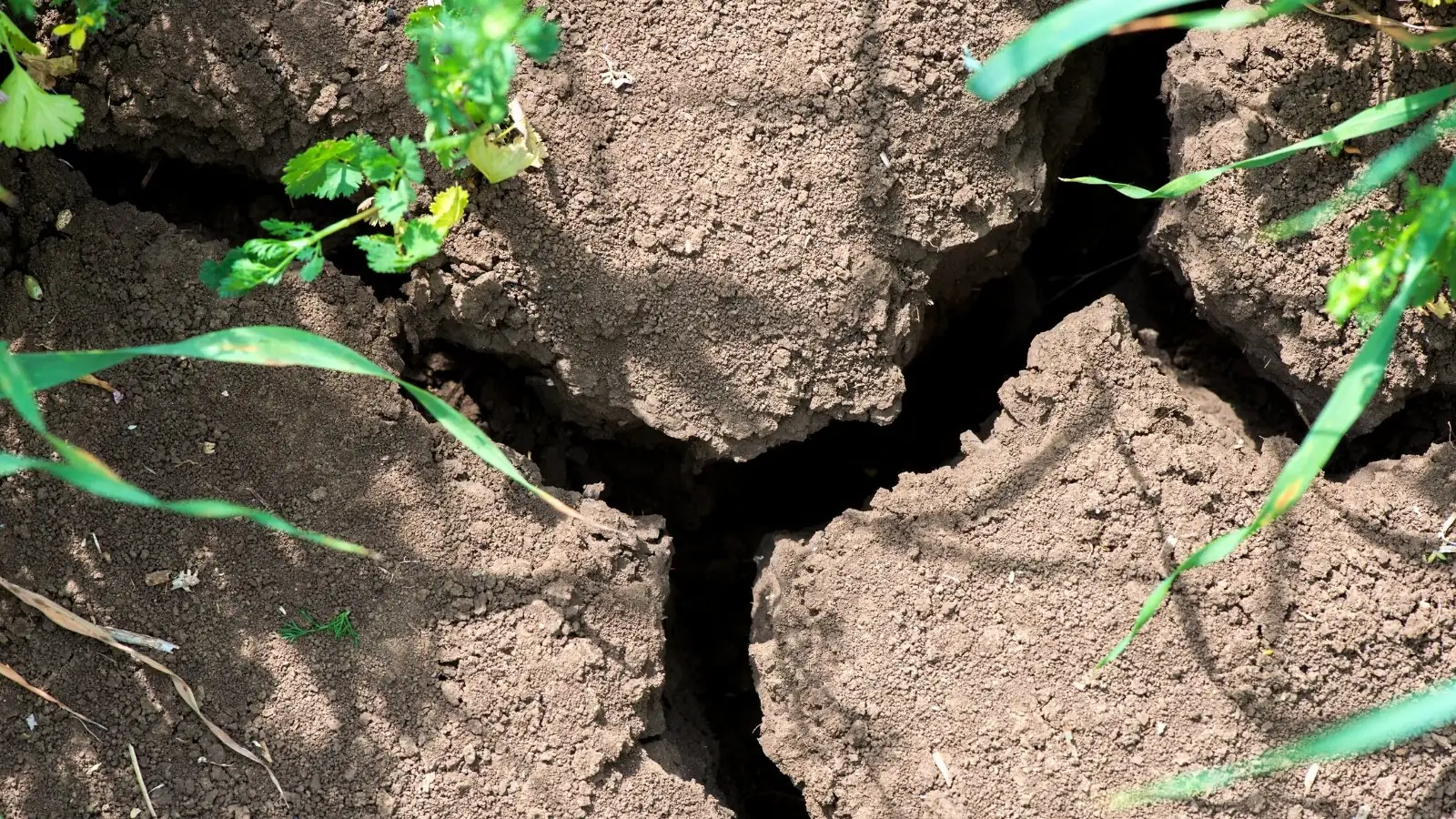
Before we jump into solutions, it helps to know what you’re dealing with. Compacted soil lacks the necessary pore space for air and water to reach plant roots. This often happens in areas with heavy foot traffic or where the soil is predominantly clay. The result? Waterlogged soil that suffocates roots and stunts plant growth.
Easy Ways to Improve Soil Aeration and Drainage
1. Add Organic Matter
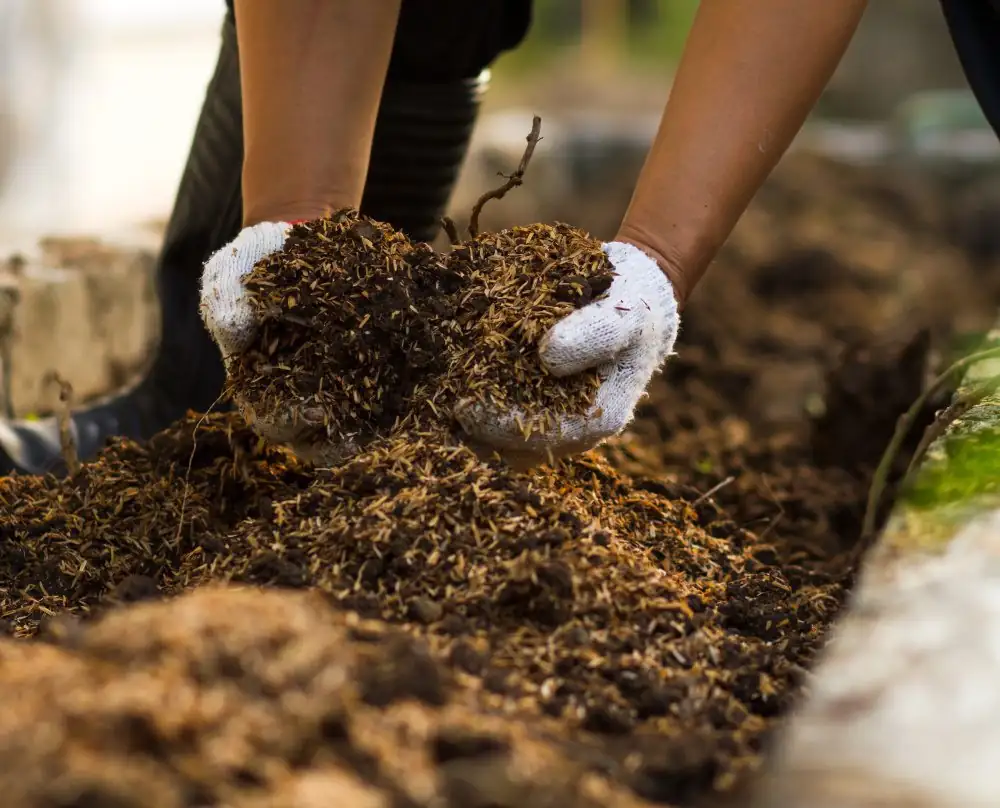
One of the simplest ways to breathe life into your soil is by adding organic matter like compost. Compost acts like a sponge, loosening the soil and improving its structure. Plus, it provides essential nutrients to your plants and encourages beneficial microbial activity.
When to do it: Early spring or fall, when preparing your garden beds.
How to do it: Mix compost into the top 6-12 inches of soil for best results.
2. Incorporate Amendments
Perlite and Vermiculite
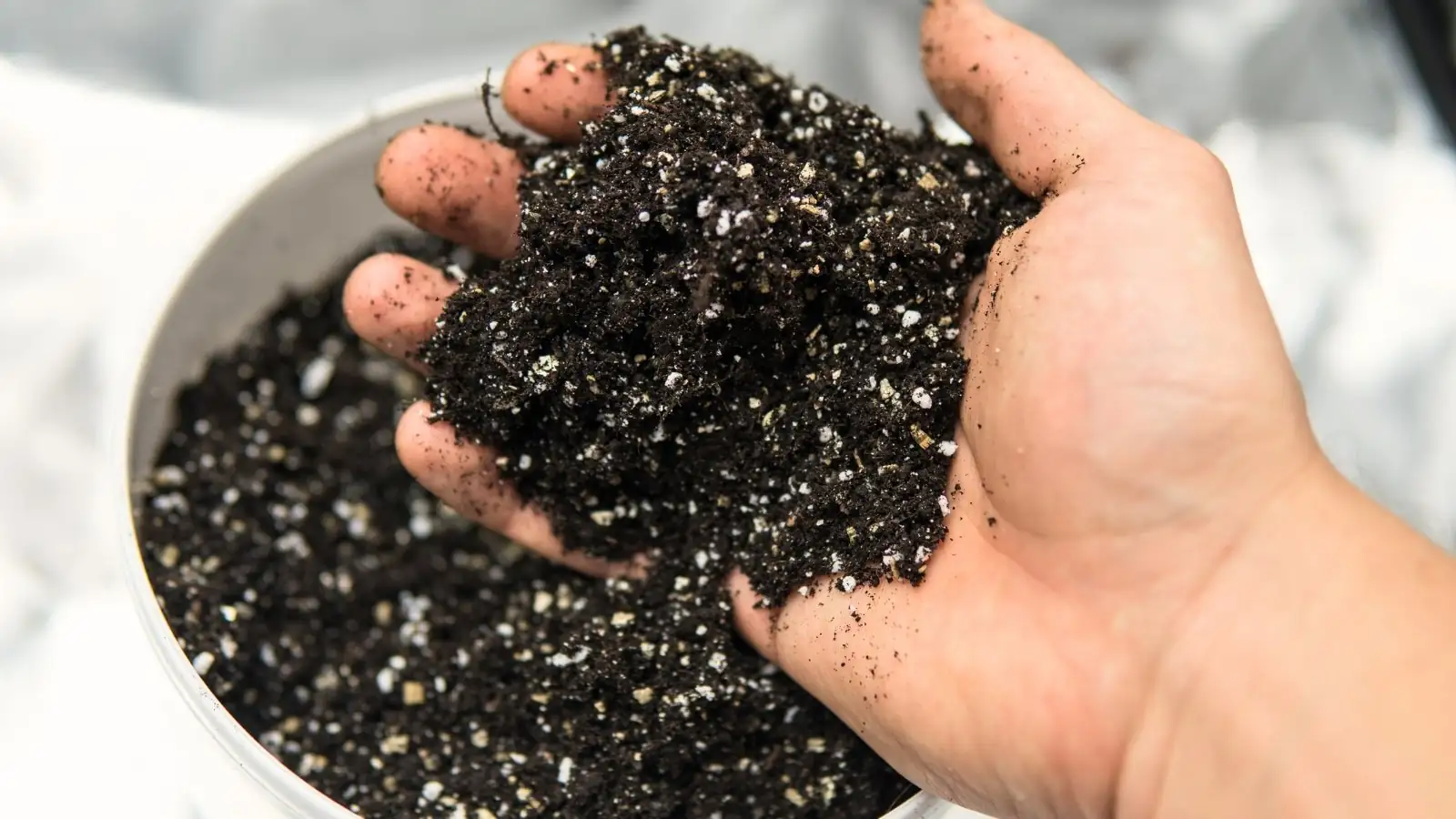
These volcanic rocks are your allies in improving soil aeration. Perlite helps keep the soil loose and prevents clumping, while vermiculite excels at retaining moisture. Choose perlite if your soil is acidic, as it is slightly alkaline.
How to do it: Blend these into your potting mix or garden soil, about 10-20% by volume.
Sand
For those on a budget, sand is a cost-effective way to break up heavy soil. Its small particles increase drainage by creating space between soil clods.
Tip: Use coarse sand, as fine sand can actually worsen compaction.
3. Aerate Your Soil
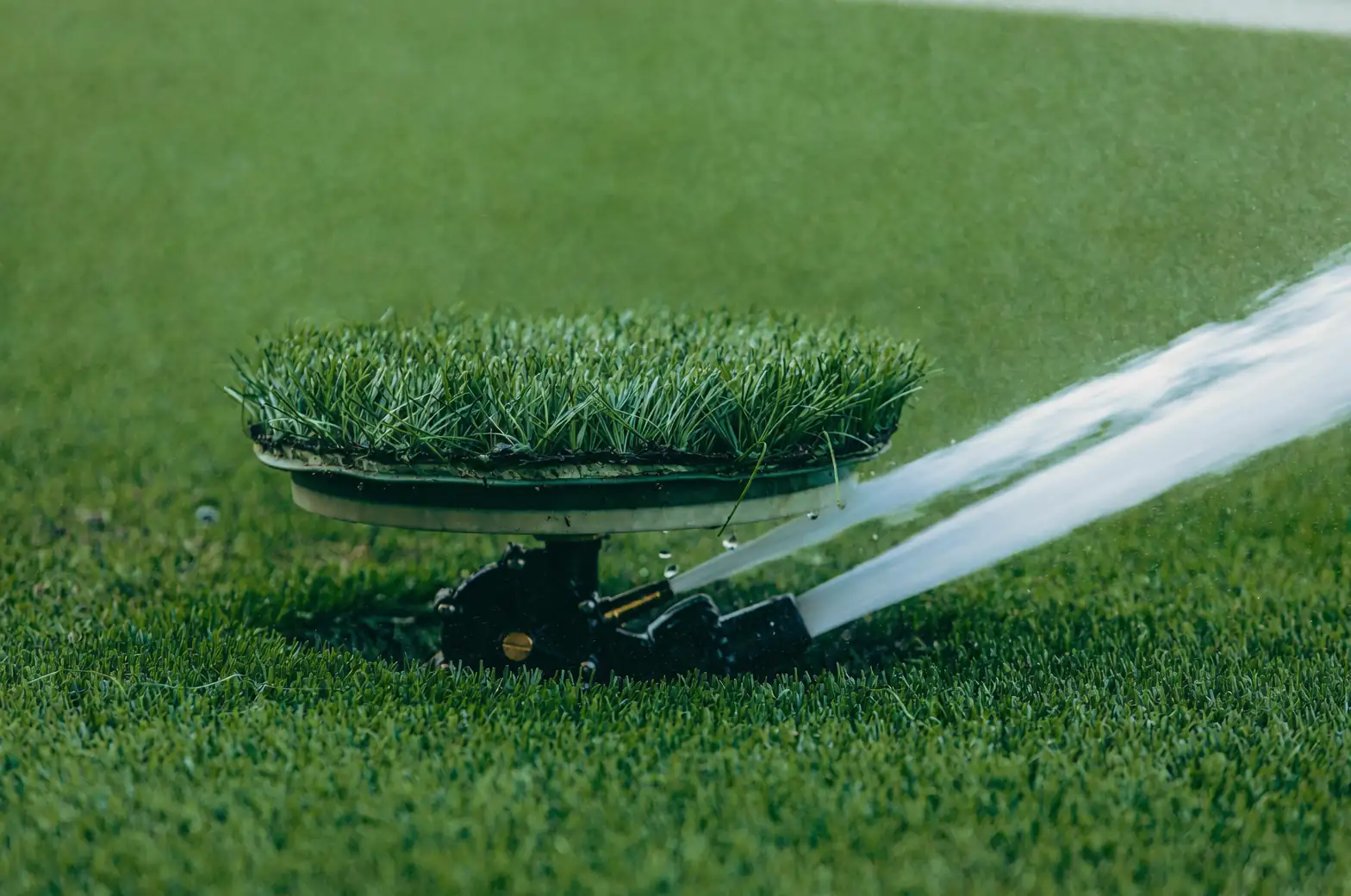
Lawn aeration isn’t just for golf courses! By removing small plugs of soil, you can drastically improve soil structure and drainage. This process also allows air, water, and nutrients to reach the roots more easily.
Tools needed: A core aerator (available for rent or purchase).
When to do it: Once a year, ideally in early spring or fall when the soil is moist but not waterlogged.
4. Mulch for the Long Haul
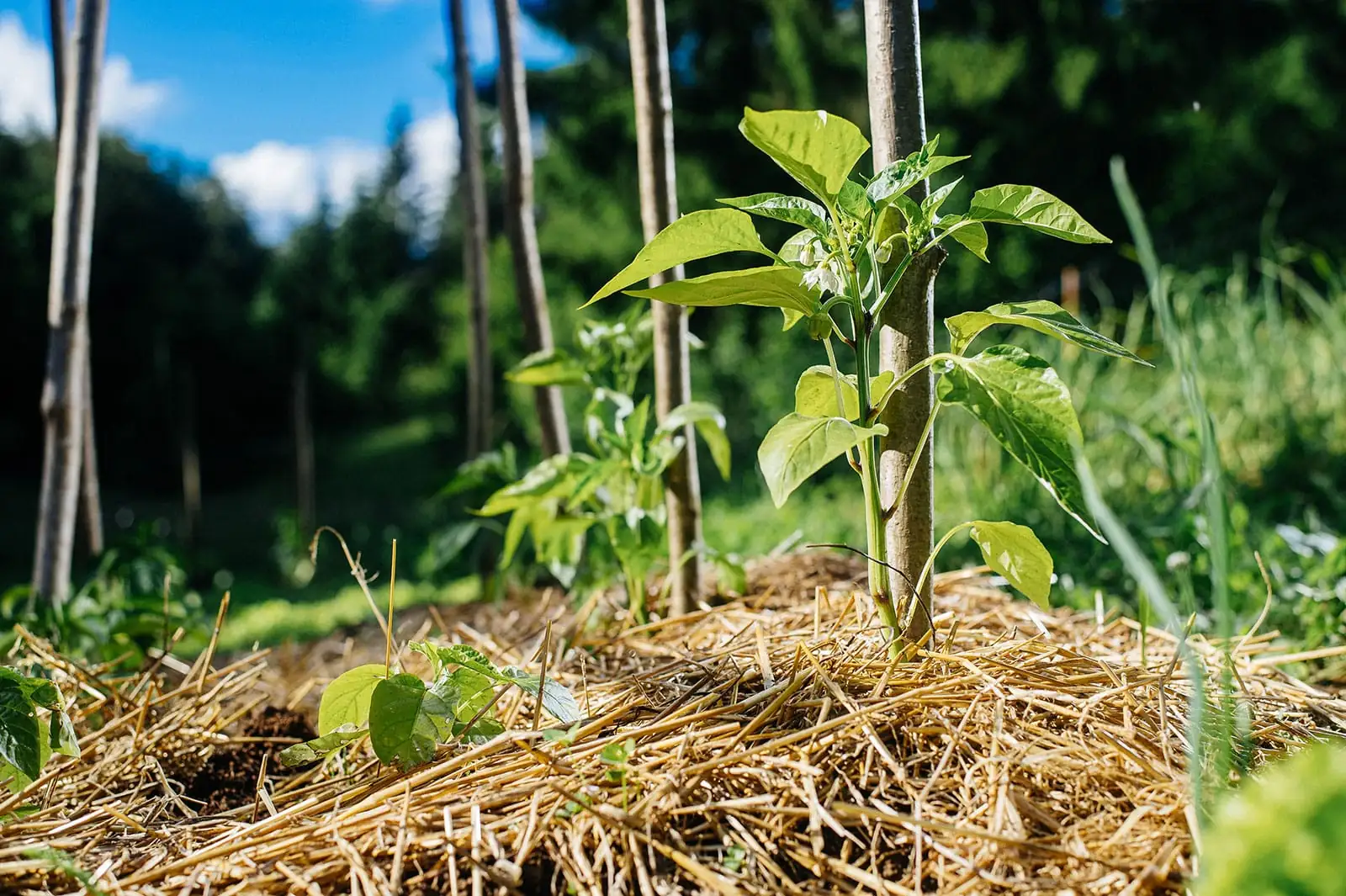
Applying a layer of mulch can work wonders over time. It protects the soil surface, conserves moisture, and slowly breaks down to add organic matter to the soil.
Best choice: Organic mulches like straw, wood chips, or shredded leaves.
Application tip: Keep mulch at least a couple of inches away from plant stems to prevent rot.
Common Pitfalls to Avoid
- Over-aerating: Too much tilling can break down soil structure. Aim for moderation.
- Ignoring pH levels: Adding amendments like perlite or sand can affect soil pH slightly. Test your soil if you suspect pH issues.
- Skipping drainage tests: Consider performing a percolation test to determine drainage needs before making amendments.
The Bottom Line
Improving soil drainage and aeration doesn’t have to be a daunting task. With a bit of knowledge and some elbow grease, you can create an environment where your plants will thrive. So grab your garden tools and start transforming your soil today!