

If you’ve ever marveled at lush indoor jungles or vibrant container gardens, you might have wondered about the secret ingredient behind their success. It all boils down to one thing: the right potting mix. Whether you’re nurturing a tiny seedling or a towering tropical, creating a universal potting soil mix can be a game-changer. Let’s dive into how you can whip up a potting blend that’s as versatile as it is effective.
Why Potting Mix Matters
Before you start mixing, understanding why potting mix is essential can help you tailor it to the needs of your plants. Unlike garden soil, which can be dense and full of pathogens, potting mix is a soilless concoction designed to be lighter and better draining, providing an ideal environment for container plants.
Key Ingredients and Their Roles
Here’s a quick rundown of common components found in potting mixes and what they bring to the table:
- Sphagnum Peat Moss: Known for its excellent water retention, peat moss keeps your plants hydrated. However, it can be acidic, so you might need to add lime to balance the pH.
- Coir: A sustainable alternative to peat moss, coir holds water well and provides air space for roots. Just be cautious of its potential salt content.
- Perlite and Vermiculite: Both provide aeration and improve drainage. Perlite is lightweight, making it preferable for hanging baskets, while vermiculite retains more moisture.
- Sand: Adds weight and improves drainage, particularly beneficial for top-heavy plants. Coarse sand is preferred over fine sand to prevent compaction.
- Compost: Chock-full of nutrients, compost enriches your mix and supports healthy plant growth.
- Pine Bark: Adds air space and prevents compaction, ideal for potted ornamentals.
Creating Your Universal Potting Mix
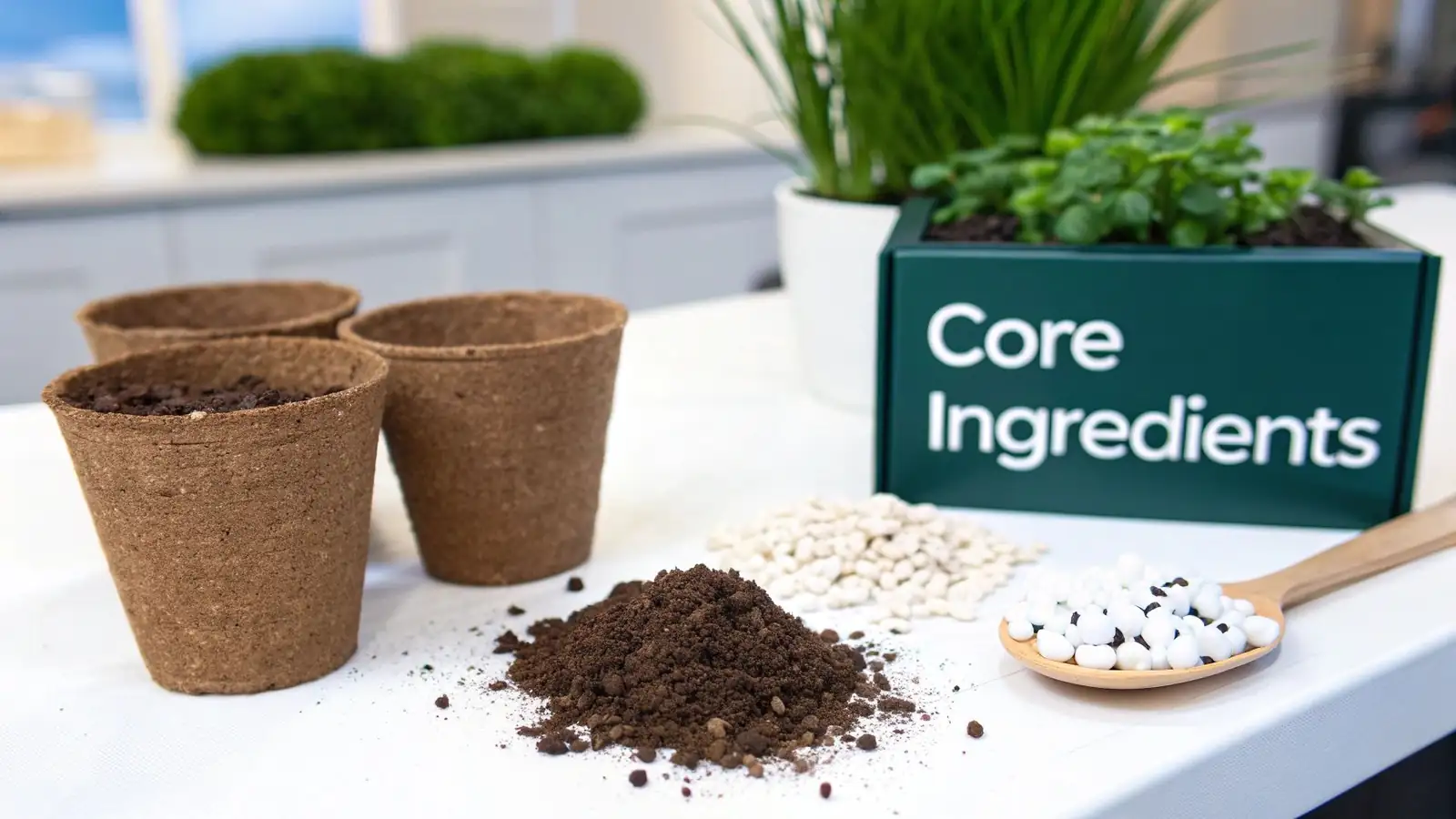
Here’s a simple recipe to get you started on your universal potting mix. This blend caters to a variety of plants, ensuring they have the right balance of moisture, nutrients, and structure:
Basic Universal Potting Mix Recipe
- 40% Sphagnum Peat Moss or Coir: Choose coir if you’re looking for a more sustainable option.
- 20% Perlite or Vermiculite: For those aiming for a lighter mix, opt for perlite.
- 20% Compost: Homemade or store-bought, compost enriches your soil naturally.
- 20% Pine Bark or Coarse Sand: Use pine bark for lighter mixes and sand for heavier, more stable mixes.
Steps to Mix
- Prepare Your Workspace: Find a clean and dry area to mix your ingredients. A large container or wheelbarrow works well.
- Moisten the Peat Moss/Coir: If using peat moss, pre-moisten it to make mixing easier.
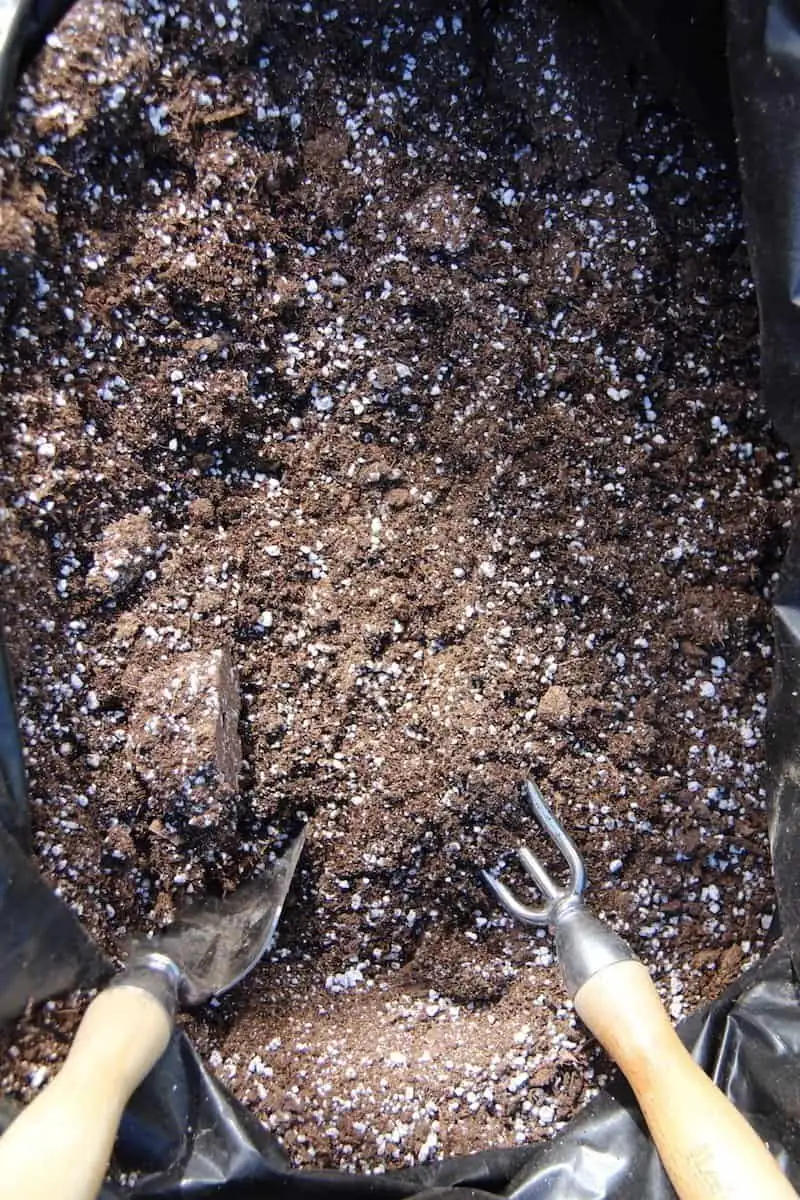
- Combine Ingredients: Mix all components thoroughly until evenly distributed.
- Test Your Mix: Grab a handful, squeeze it, and check if it slightly crumbles when released. This indicates good aeration and moisture retention.
Common Mistakes and How to Avoid Them
- Overwatering: Even with a well-draining mix, overwatering can lead to root rot. Let the top inch of the mix dry out before watering again.
- Skipping Sterilization: If you’re using garden soil or compost, sterilize them by baking at 200°F for 20 minutes to kill pathogens.
- Ignoring Plant Needs: Not all plants thrive in the same conditions. Adjust your mix based on specific plant requirements, like adding more sand for succulents or extra peat for moisture-loving ferns.
Final Thought
Crafting your universal potting mix doesn’t just save money; it empowers you to give your plants exactly what they need. With the right mix, your plants will flourish, whether they’re gracing your living room or adorning your patio. So grab your ingredients, roll up your sleeves, and start mixing your way to a greener thumb!


