In the world of gardening and landscaping, fertilizers are like the secret sauce to a flourishing patch of green. Yet, when it comes to mixing organic and chemical fertilizers, confusion often sprouts. Let’s dig into these common misconceptions, explore the effects of blending these fertilizers, and help you cultivate a thriving garden with confidence.
The Basics: Organic vs. Chemical Fertilizers
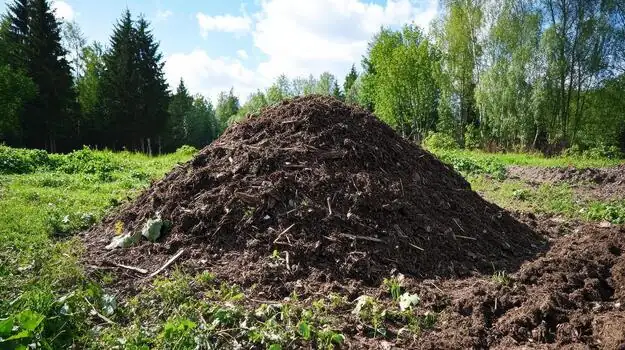
Before blending these two fertilizer types, it’s crucial to understand their nature. Organic fertilizers come from natural sources like compost, manure, and bone meal. They improve soil structure and support beneficial microbes, but they release nutrients slowly.
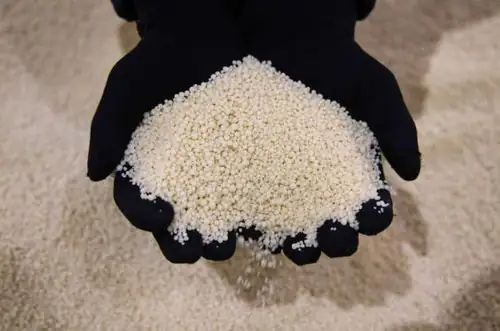
On the flip side, chemical fertilizers are synthetically manufactured, often from refined minerals. They deliver nutrients like nitrogen, phosphorus, and potassium directly to plants for quick absorption, which means faster visible results but less soil improvement over time.
Misconceptions About Mixing Fertilizers
Misconception 1: Mixing Is a Waste of Time
Some gardeners believe that mixing organic and chemical fertilizers is pointless, arguing that one type should suffice. However, each type has unique benefits, and combining them can yield a more balanced nutrient supply and improved soil health.
Misconception 2: Mixing Can Harm Plants
While it’s true that improper mixing or application can lead to plant damage—like nutrient burn from chemical fertilizers or salinity build-up—properly balanced mixtures can enhance plant growth and soil fertility without adverse effects.
The Benefits of Mixing
Enhanced Nutrient Availability
By combining organic and chemical fertilizers, you can ensure immediate nutrient availability from the chemical components while supporting long-term soil health and structure with organic matter.

Improved Soil Health
Organic fertilizers contribute to soil organic matter, enhancing water retention and fostering a healthy microbial ecosystem. This can be particularly beneficial in soils degraded by the overuse of chemical fertilizers.
Sustainable Growth
An integrated approach can lead to more sustainable plant growth. Chemical fertilizers provide a quick nutrient fix, while organic options sustain soil health, reducing the need for frequent applications.
Practical Tips for Effective Mixing
- Start Small: If you’re new to mixing, start with a small test area. This allows you to monitor results and adjust ratios as needed without risking your entire garden.
- Balance is Key: Aim for a balance that provides immediate plant needs through chemical fertilizers and sustains soil health with organic matter. A common approach is to apply chemical fertilizers at half the recommended rate and supplement with organic options.
- Mind the Timing: Organic fertilizers work best when applied early in the growing season to allow time for nutrient release. Chemical fertilizers can be used when plants show signs of nutrient deficiency.
- Avoid Over-Application: It’s easy to overdo chemical fertilizers, leading to nutrient burn. Always follow recommended rates and consider soil tests to tailor applications to your garden’s specific needs.
- Observe and Adjust: Keep an eye on your plants and soil. Yellowing leaves might indicate nitrogen deficiency, while stunted growth could mean a lack of phosphorus. Adjust your fertilizer mix accordingly.
Common Pitfalls to Avoid
- Skipping the Soil Test: Before mixing, test your soil to understand its current nutrient levels. This helps avoid unnecessary applications and ensures your garden gets exactly what it needs.

- Ignoring Weather Conditions: Avoid applying fertilizers before heavy rain, which can wash nutrients away before plants absorb them.
- Neglecting Organic Matter: Don’t rely solely on quick-fix chemical fertilizers. Incorporate organic matter to build and maintain soil health over time.
By understanding the misconceptions and mastering the mix of organic and chemical fertilizers, you can nurture a garden that’s not only lush and vibrant but also sustainable for the long haul. Happy gardening!