Ah, plants! They bring a splash of green into our lives, but when those lovely leaves turn yellow, it’s like a distress signal begging for help. One common cause of this yellowing is over-fertilization. But don’t worry, with a few practical steps, you can nurse your plants back to health and prevent future mishaps.
Why Do Leaves Turn Yellow from Over-Fertilization?
Yellowing leaves, known as chlorosis, often occur when plants get more nutrients than they can handle. Over-fertilization leads to a buildup of salts in the soil, which can damage the roots and impede water and nutrient uptake. This usually results in yellow or brown leaf edges, stunted growth, and in severe cases, plant death.
Spotting the Signs
Before jumping into rescue mode, let’s ensure over-fertilization is the culprit. Look for these telltale signs:
- Yellowing and wilting of lower leaves: This is often the first sign.
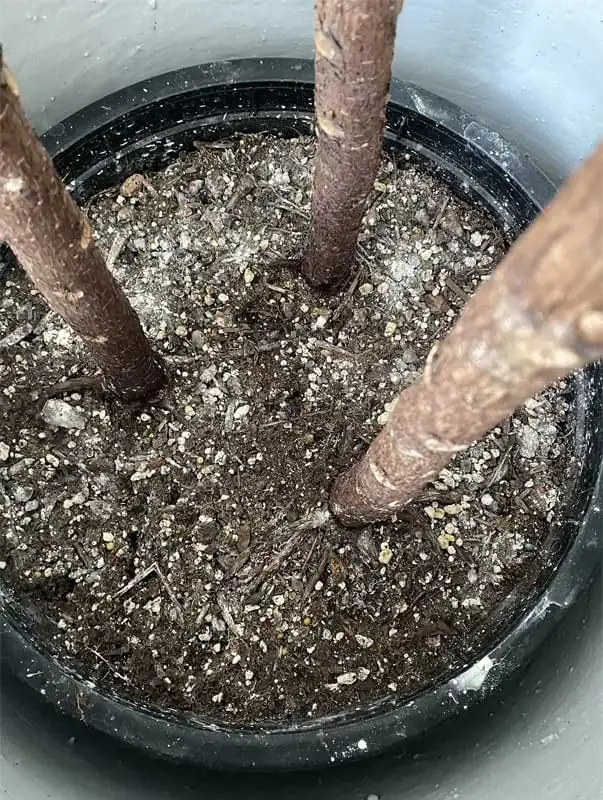
- Crusty soil surface: A white crust of fertilizer on the soil.
- Browning leaf tips and margins: Indicates nutrient overload.
- Slow or halted growth: Your plant might seem to be on a standstill.
- Limp, brown roots: Roots show visible damage.
Steps to Save Your Over-Fertilized Plant
1. Remove Excess Fertilizer
Carefully scrape off any visible fertilizer from the soil surface. This stops additional nutrients from seeping into the soil and further stressing the plant.
2. Leach the Soil
Leaching involves flushing the soil with water to wash away excess salts. Here’s how:
- For Potted Plants: Place the pot in a sink or outside where water can drain freely. Gently pour water until it runs out of the drainage holes. Repeat this several times, allowing time for drainage between each watering.
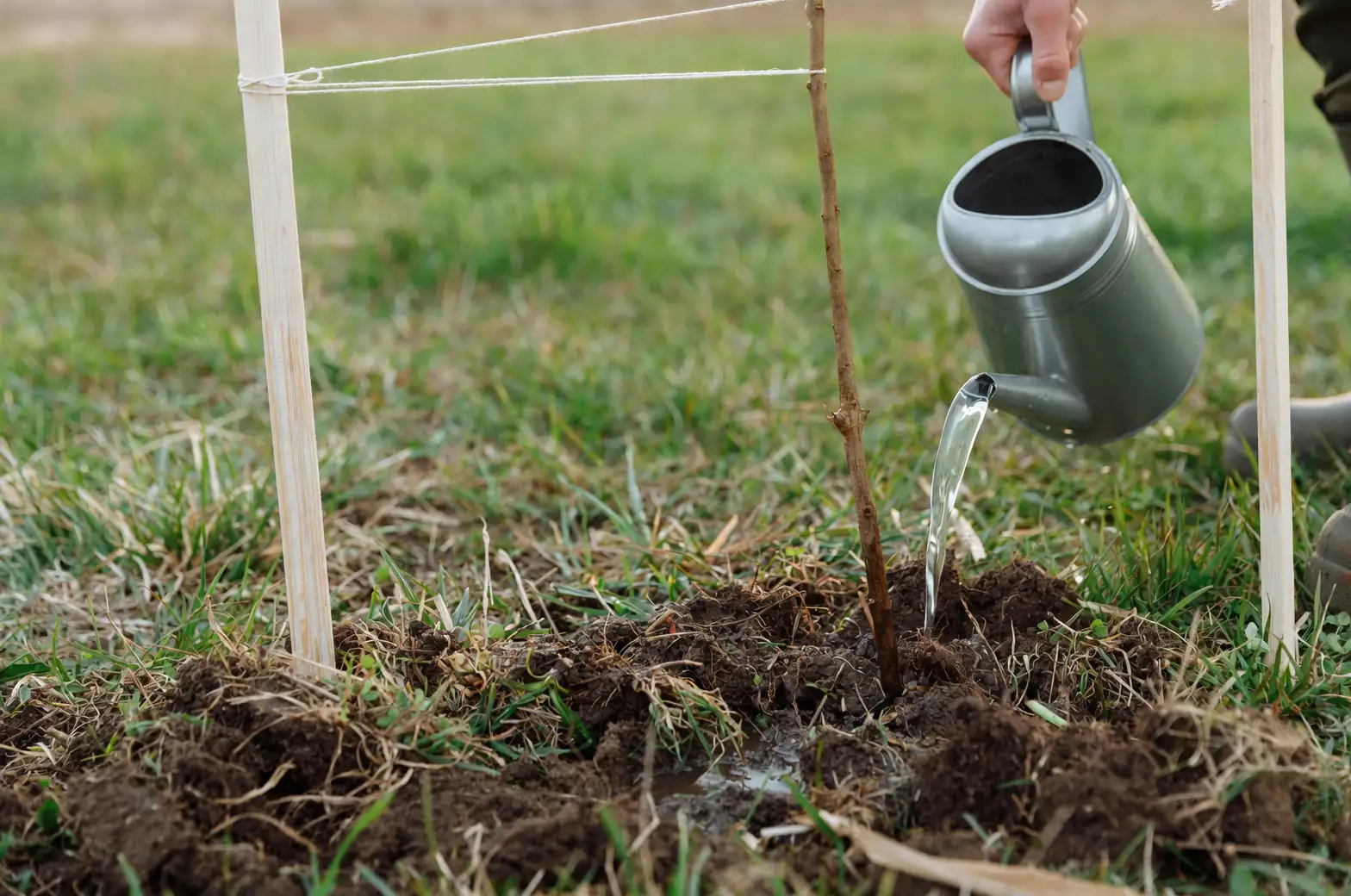
- For Garden Plants: Use a garden hose to flood the soil around the plant’s base. Let the water soak in and drain away naturally. This may need to be repeated several times depending on the severity of the over-fertilization.
3. Trim Damaged Leaves
Use sharp scissors to cut off yellow and brown leaves. While these leaves can’t recover, removing them helps prevent pest infestations and diseases from taking hold.
4. Assess and Adjust Watering
Over-fertilized plants are often thirsty, so ensure they’re getting the right amount of water. Use the “finger test” to check soil moisture: if it feels dry a few inches down, it’s time to water.
5. Consider Replanting
If your plant is severely affected, replanting it in fresh soil can give it a new lease on life. Choose a well-draining soil mix to avoid future problems.
Preventing Future Over-Fertilization
- Fertilize Wisely: Follow the instructions on fertilizer packaging and avoid the temptation to add extra for “better” results.
- Use Slow-Release Fertilizers: These release nutrients over time, reducing the risk of over-fertilization.
- Regular Soil Checks: Test for salt buildup, especially if using tap water, which can contribute to soil salinity.
By staying vigilant and responsive, you can keep your plants healthy and green, avoiding the pitfalls of over-fertilization. Remember, a balanced approach to feeding your plants is key to their vibrant growth. Happy gardening! 🌿