

Dive into the World of Dahlias: Quirks, Science, and ‘Dinner Plate’ Blooms
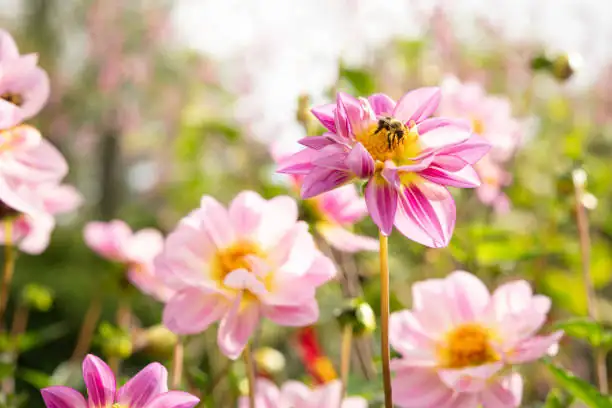
Imagine a flower garden where every bloom could be a star at an art exhibit. Welcome to the world of Dahlia × pinnata, where each blossom is a masterpiece of nature’s palette. Native to the sun-drenched hillsides of Mexico and Guatemala, these vibrant flowering beauties have a rich history and an even richer display of color and form. But what makes dahlias so fascinating? Let’s explore their quirks, the science behind their exuberant blooms, and why they are adored by gardeners and floral designers alike.
The Kaleidoscope of Dahlias
Dahlia × pinnata is not just a single flower but a whole universe of forms and colors. With over 42 species and countless hybrids, dahlias are like the chameleons of the plant world. They can be as petite as a pom-pom or as grand as a “dinner plate,” a term affectionately given to varieties that can reach a staggering 30–40 cm (12–16 in) across.

These flowers can mimic the form of cacti, peonies, or water lilies, each with its unique charm. The diversity is a result of their octoploid genetic structure, meaning they have eight sets of chromosomes—four times more than humans! This genetic richness allows for endless hybridization opportunities, resulting in the stunning array of cultivars we see today.
The Science Behind the Blooms
Why do some dahlias grow to be as big as a dinner plate? The answer lies in their genetic makeup and careful cultivation. Dahlias thrive on full sun, absorbing energy to fuel their spectacular growth. To support such large blooms, they require rich, well-draining soil and regular deadheading, which encourages more flowers to blossom.
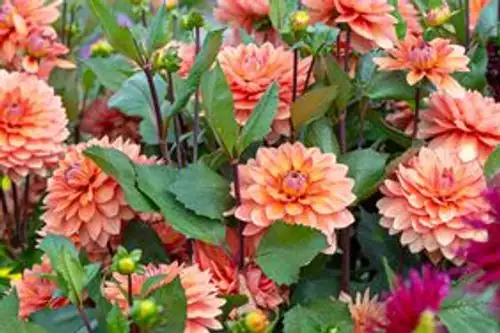
Interestingly, the more you cut and care for your dahlias, the more they flourish—making them a favorite for cut flower gardens. Their long flowering season, typically from mid-summer to the first frost, ensures that your garden remains a burst of color well into autumn.
Historical Roots and Modern Appeal
Dahlias have a deep-rooted history dating back to their discovery by Spanish explorers in the 16th century. However, the Aztecs had already been cultivating these flowers, perhaps drawn to their mystic appeal and practical uses. The tubers were a food source, and their hollow stems were used as water pipes. European botanists later introduced them to the continent in the 18th century, where they quickly became a beloved ornamental plant.
Floriography: The Language of Dahlias
In the symbolic world of flowers, dahlias represent elegance, strength, and creativity. Their vibrant colors each have their own meanings, with red symbolizing passion, pink for joy, and purple for dignity. This rich symbolism adds an extra layer of depth for those who wish to express emotions through floral arrangements.
Caring for Your Dahlias
While dahlias are a feast for the eyes, they do require thoughtful care. Here are some quick tips:
- Sunlight: Aim for 6–8 hours of direct sun daily.
- Watering: Deep watering is essential, but avoid waterlogging.
- Fertilization: Use a low-nitrogen fertilizer to promote blooms over foliage.
- Pruning: Regular deadheading will encourage continuous flowering.
Quirky Dahlia Facts
- Edible Tubers: Yes, you read that right. While primarily ornamental, dahlia tubers are edible, reminiscent of a cross between a carrot and a potato.
- No Blue Dahlias: Despite their vast color range, blue remains elusive for dahlia growers.
- Pollinator Magnet: Though most are unscented, dahlias attract pollinators with their vivid colors, making them a vital part of any pollinator-friendly garden.
Closing Thoughts
From their dazzling diversity to their storied past, dahlias are more than just flowers; they’re a testament to nature’s creativity and resilience. Whether you’re an avid gardener or a casual admirer, there’s always something new to discover in the world of dahlias. So next time you spot these vibrant blooms, take a moment to appreciate the artistry and history that each flower represents. Who knows, you might just find your next garden obsession!


