

Unleashing the Summer Splendor: Caring for Dahlia × pinnata
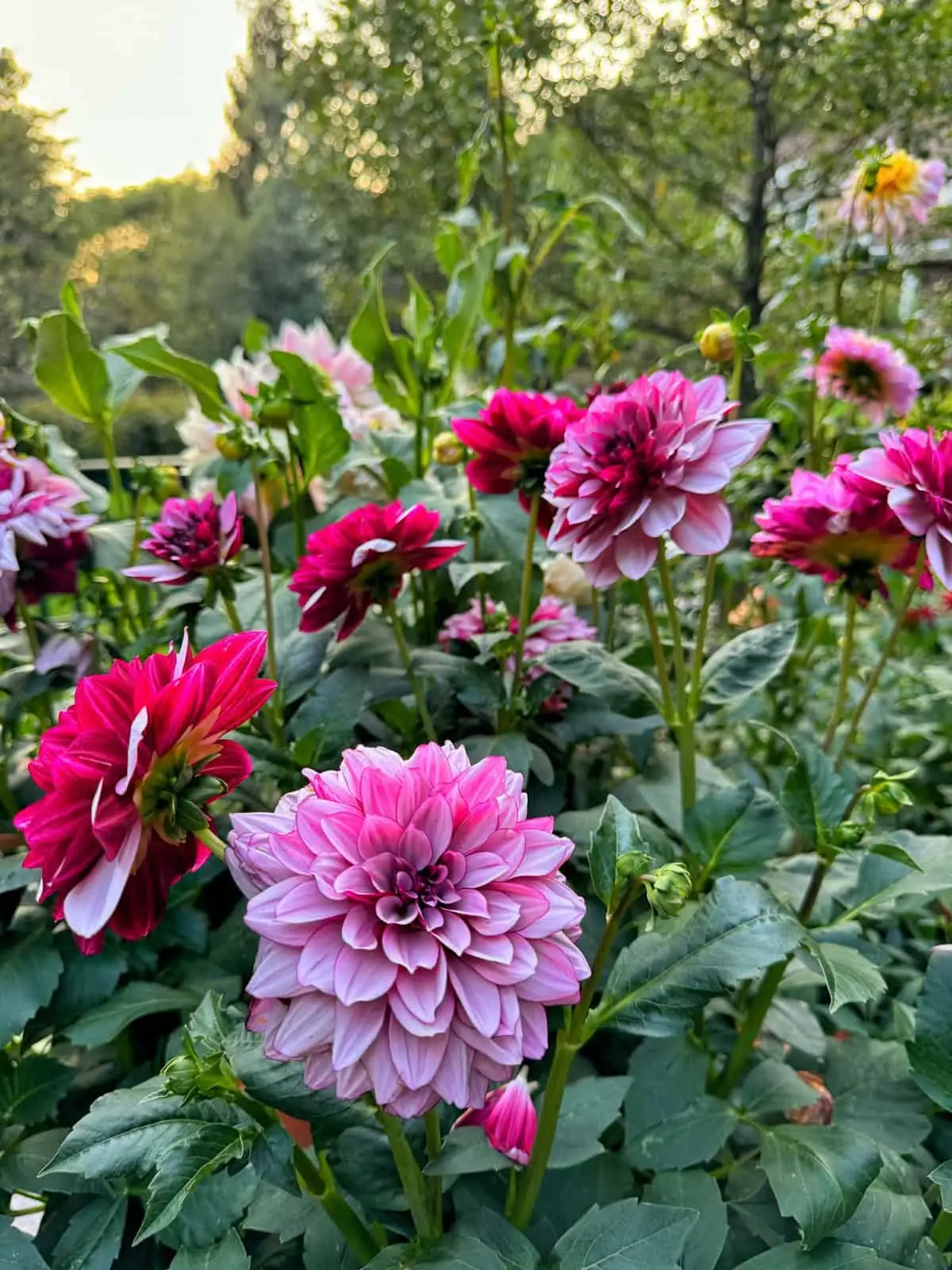
If there were a floral beauty pageant, Dahlia × pinnata would undoubtedly be a top contender. With its vibrant blooms ranging from petite pom-poms to grand “dinner plates,” this dazzling plant has captivated gardeners worldwide. Native to the sun-drenched hillsides of Mexico and Guatemala, dahlias have made their way into hearts and gardens across the globe, bringing bold color and dramatic flair. But how do you keep these showstoppers thriving all summer long? Let’s dive into the essential care techniques that will help your dahlias bloom brilliantly from mid-summer until the first frost.
Understanding Your Dahlia’s Needs
Light Requirements
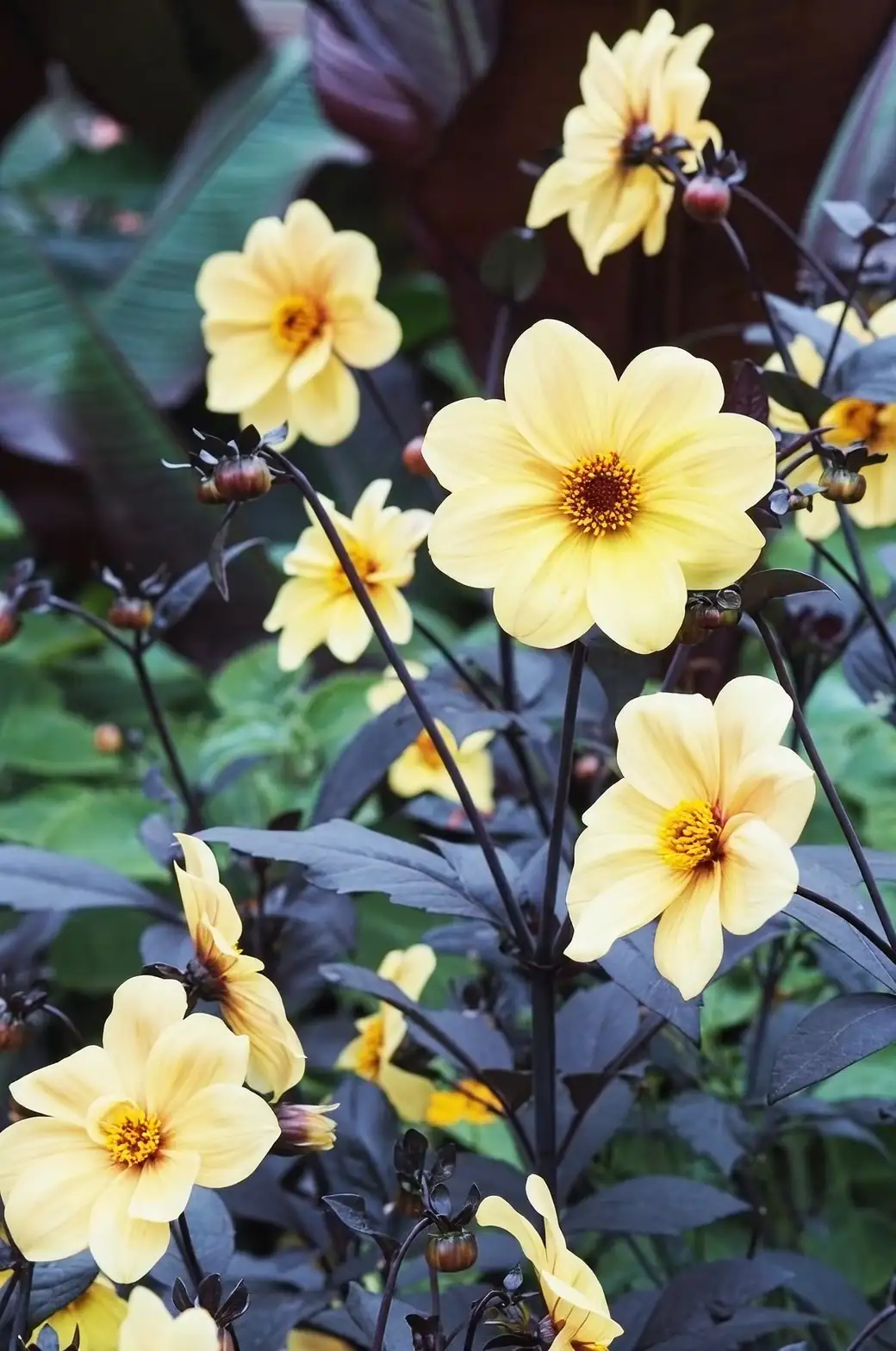
Dahlias revel in sunlight. They thrive best in full sun, basking in 6–8 hours of direct sunlight daily. Particularly in the morning, this light is crucial for robust growth and abundant flowering. However, in regions with scorching summer afternoons, a touch of shade can help prevent heat stress. Ensure your dahlias are planted where they can enjoy a gentle breeze, as good airflow discourages disease.
Watering Wisdom
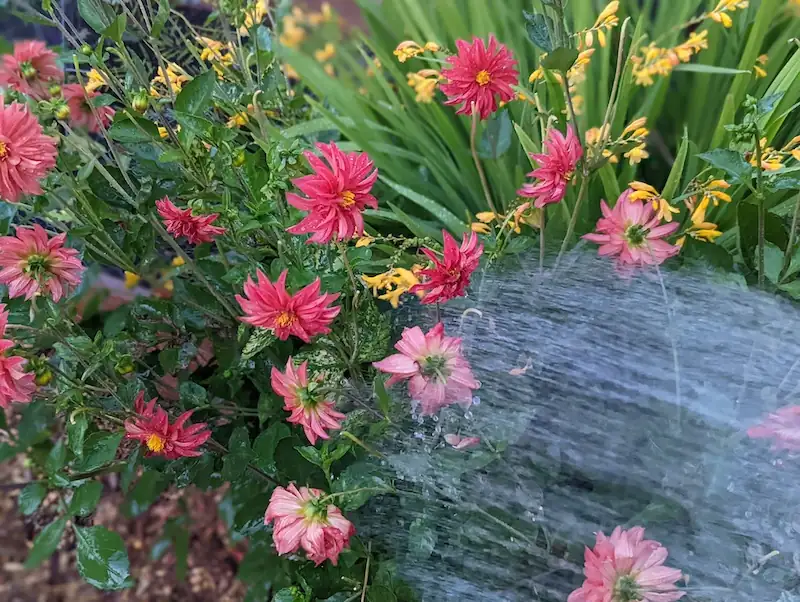
Watering dahlias is both an art and a science. They dislike being too parched or too submerged. After planting your tubers, hold back on heavy watering until shoots appear to avoid rot. Once your plants are established, water them deeply but allow the soil to partially dry between sessions. During hot spells, you might find yourself watering 2–3 times weekly, but always adapt to your soil’s drainage and local weather conditions. For container-grown dahlias, ensure excellent drainage and protect them from rain saturation.
Soil & Fertilization
Dahlias prefer rich, well-drained soil. A sandy loam amended with compost or aged manure works wonders. Aim for a slightly acidic to neutral pH (6.0–7.5). When it comes to feeding, focus on fueling the flowers, not the foliage. Use a low-nitrogen fertilizer, such as 5-10-10. Begin feeding about a month after planting and continue every 3–4 weeks through mid-summer. If temperatures soar above 30°C (86°F), scale back on fertilization to prevent stress.
Pruning and Pinching for Perfection
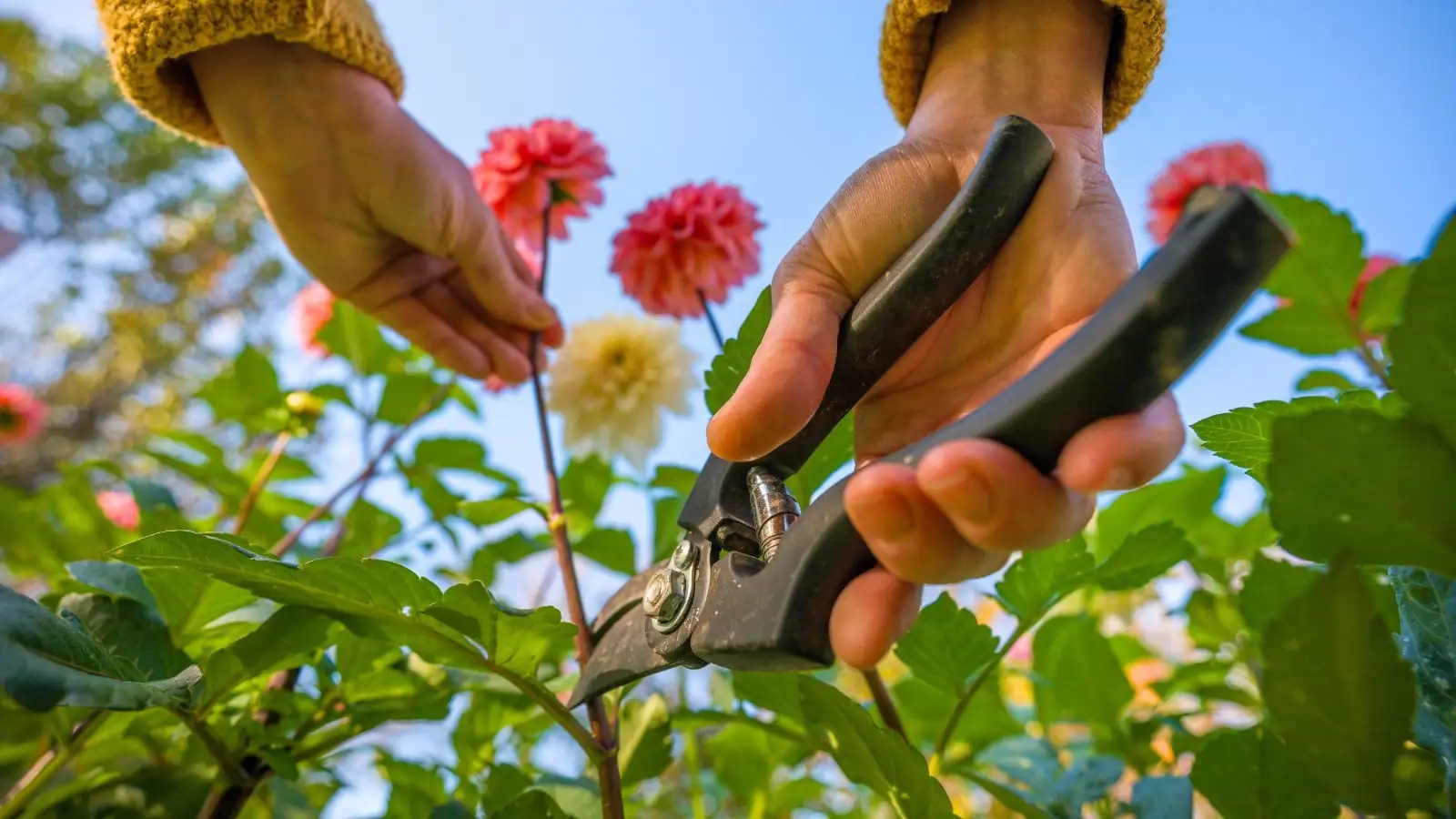
To encourage bushiness and maximize blooms, pinch the growing tips of your dahlias when they reach 15–30 cm (6–12 in) in height. Regular deadheading will keep the blooms coming, while disbudding—removing side buds—can help develop exhibition-worthy flowers.
Seasonal Tips
- Spring: Plant tubers after the last frost when the soil warms to about 15–16°C (60°F). Stake taller varieties early to support their growth.
- Summer: Maintain consistent watering, mulch to conserve moisture, and watch for pests. In hot, dry weather, be vigilant for spider mites and thrips.
- Autumn: Continue deadheading and adjust watering as the temperatures cool. Plan for overwintering if you live in a colder climate.
- Winter: After frost blackens the foliage, cut stems back and lift tubers in colder zones. Store them in a dark, frost-free place, keeping an eye out for rot or shriveling.
Pests, Diseases, and Prevention
Dahlias can be susceptible to various pests and diseases, including powdery mildew, aphids, and thrips. The best defense is a good offense: ensure strong light, proper airflow, and careful watering. Remove diseased leaves promptly and use insecticidal soap or neem oil for soft-bodied pests. Fungicides can be effective against fungal diseases—just follow the label instructions.
The Language of Dahlias
Dahlias are not only a feast for the eyes but also rich in symbolism. They represent elegance, inner strength, and graceful change. In the language of flowers, their colors convey specific meanings: red for passion, pink for romantic joy, yellow for happiness, and purple for dignity. These attributes make dahlias a popular choice for gifting and decoration, adding depth to their ornamental charm.
Conclusion: A Blooming Success
With the right care and attention, Dahlia × pinnata can transform your garden into a vibrant summer spectacle. By understanding their needs and nurturing them with thoughtful practices, you’ll enjoy a floral display that’s as rewarding as it is breathtaking. So, slip on your gardening gloves and get ready to cultivate a masterpiece that will keep you smiling until the first chill of autumn.


