When it comes to nurturing our leafy companions, timing can be everything. While fertilizing is often seen as a way to give plants that extra boost, there are moments when hitting pause on feeding is the best thing you can do. Specifically, during plant dormancy and the delicate process of repotting, it’s crucial to hold off on the fertilizer. Let’s dig into why this is important and how to adjust your plant care routine accordingly.
Understanding Plant Dormancy: A Restful Winter’s Nap
Plants, much like bears, need a break during the colder months. This period, known as dormancy, is when plants essentially hit the snooze button to conserve energy and survive unfavorable conditions. During winter, the days are shorter, temperatures drop, and sunlight is less intense. This signals to plants that it’s time to slow down. According to Trustbasket, during dormancy, plants stop growing to retain energy for the coming spring.
Why Fertilizing is a No-Go During Dormancy
Fertilizing during dormancy can actually do more harm than good. Since the plant’s growth has seized, adding extra nutrients can lead to an accumulation of unused fertilizers, which could potentially damage the roots. As Ourfigs.com points out, fertilizing when plants are dormant, particularly with nitrogen-rich fertilizers, can prevent them from adequately preparing for winter, making them vulnerable to cold damage.
The Delicate Dance of Repotting
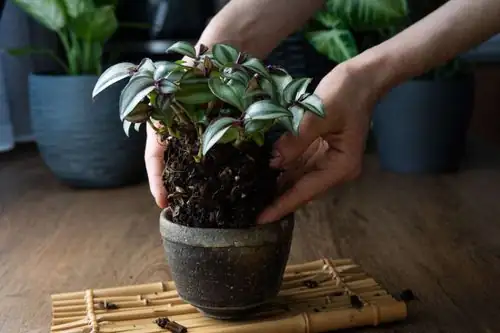
Repotting can be a stressful time for plants as they adjust to new surroundings. When you repot a plant, it’s undergoing a transition phase where it tries to settle into its new potting mix and environment. This is why it’s essential to avoid fertilizing right after repotting.
Why You Should Skip Fertilizer After Repotting
Right after repotting, the plant’s roots are adjusting to their new surroundings. Adding fertilizer at this time can overwhelm the plant, as it is already dealing with the stress of adaptation. Instead, let the plant settle and start showing signs of new growth before introducing nutrients. Harmony Plants suggests that the growth phase is marked by new leaves or shoots, indicating that the plant is ready for some feeding.
How to Care for Dormant and Repotted Plants
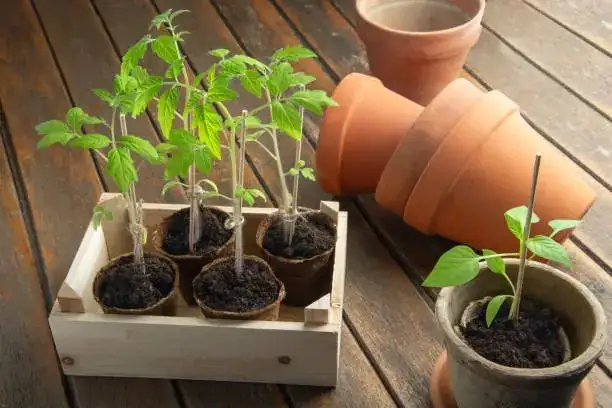
- Adjust Watering: Whether your plant is dormant or freshly repotted, overwatering is a common mistake. Dormant plants, as noted by Citycacti, need significantly less water. Similarly, repotted plants benefit from slightly reduced watering until they establish themselves.
- Monitor Light and Temperature: Ensure your dormant plants get enough indirect light and maintain a stable temperature. For repotted plants, find a spot with the appropriate light conditions suited to the species.

- Patience is Key: Give your plants time to adjust. Look for signs of new growth in repotted plants before considering fertilization. For dormant plants, wait until you see signs of activity, like budding or new leaves, in spring.
By understanding the natural rhythms of your plants and adjusting your care routine accordingly, you can help them thrive through their dormant periods and transitions. Remember, sometimes the best care is simply letting nature take its course!