

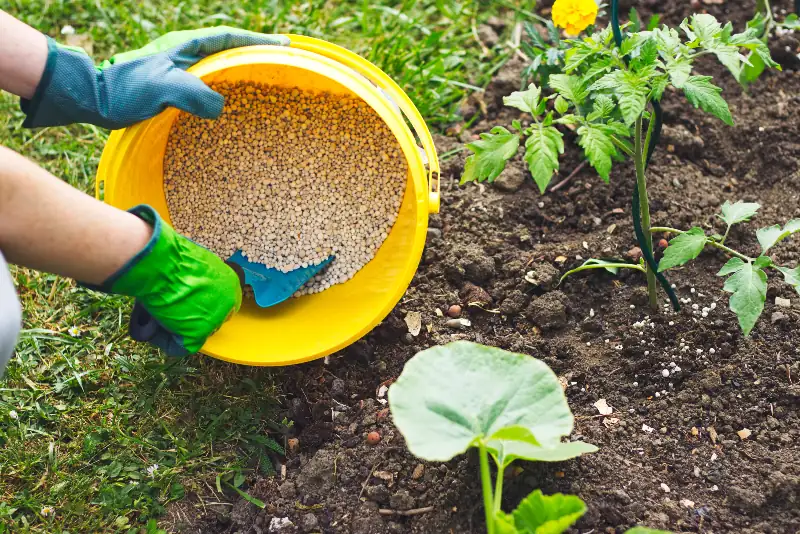
Fertilizing your plants is like giving them a nutritious meal to help them grow strong and healthy. But just like with any diet, too much of a good thing can be harmful. Knowing when to stop feeding your garden is crucial to ensure your plants thrive through the winter and bounce back beautifully in the spring. Let’s dive into the nitty-gritty of when to put down the fertilizer and let nature take its course.
Why Timing Matters
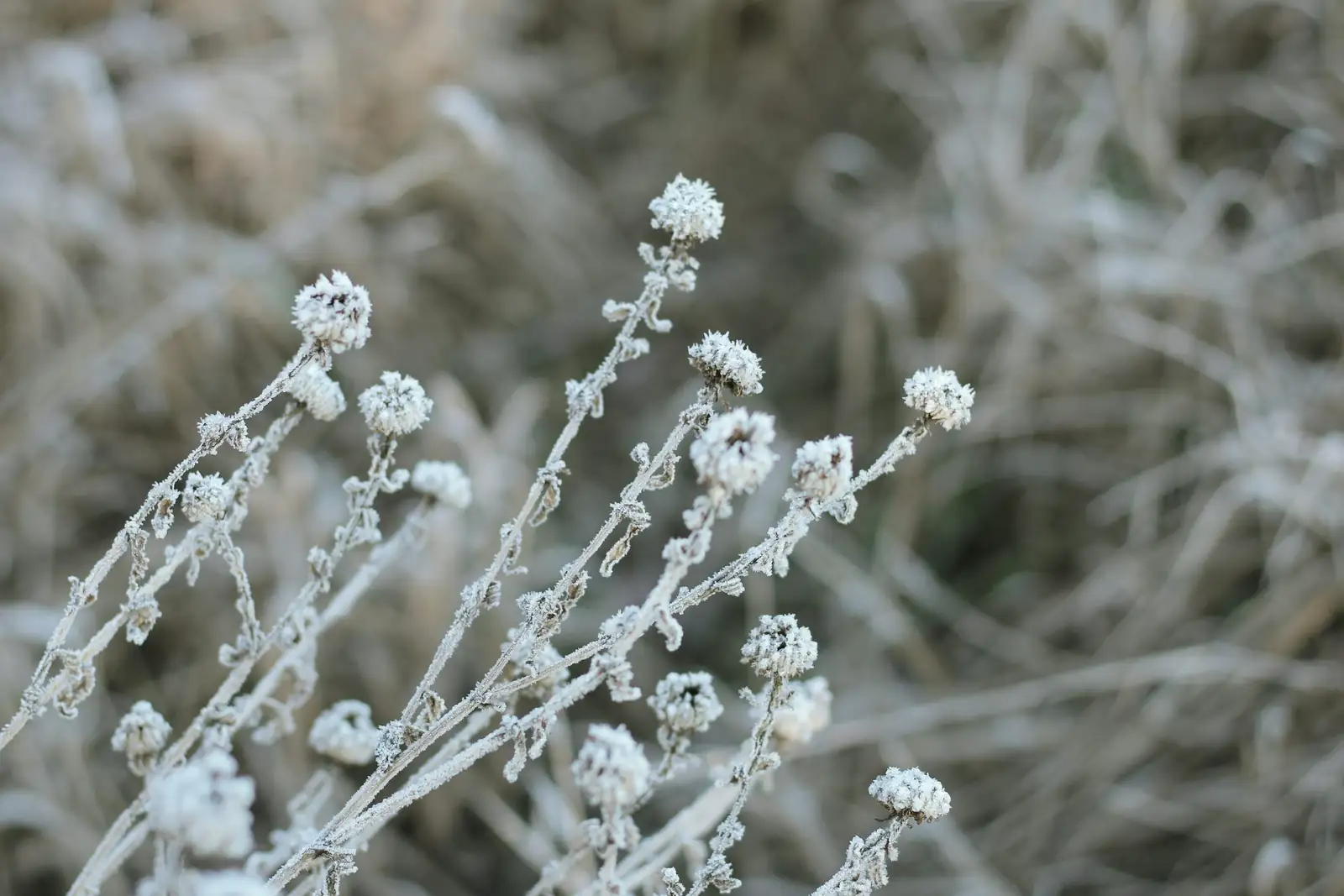
Fertilizers, especially those rich in nitrogen, promote leafy growth. While this is fantastic in spring and early summer, pushing for new growth too late in the season can be counterproductive. As fall approaches, plants naturally begin to slow down and prepare for dormancy. Over-fertilizing during this period can lead to tender new growth, which is susceptible to cold damage when the first frost hits. This can set your garden back rather than propelling it forward.
The Best Time to Stop Fertilizing
General Guidelines
- By Early to Mid-Summer: Most experts suggest making your final fertilizer application by early to mid-summer. This gives plants enough time to absorb the nutrients and for new growth to harden off before winter.
- Before the First Frost: In many regions, stopping fertilizer applications by Labor Day is a safe bet. This timing helps avoid encouraging new growth that won’t withstand the cold.
Specific Plant Types
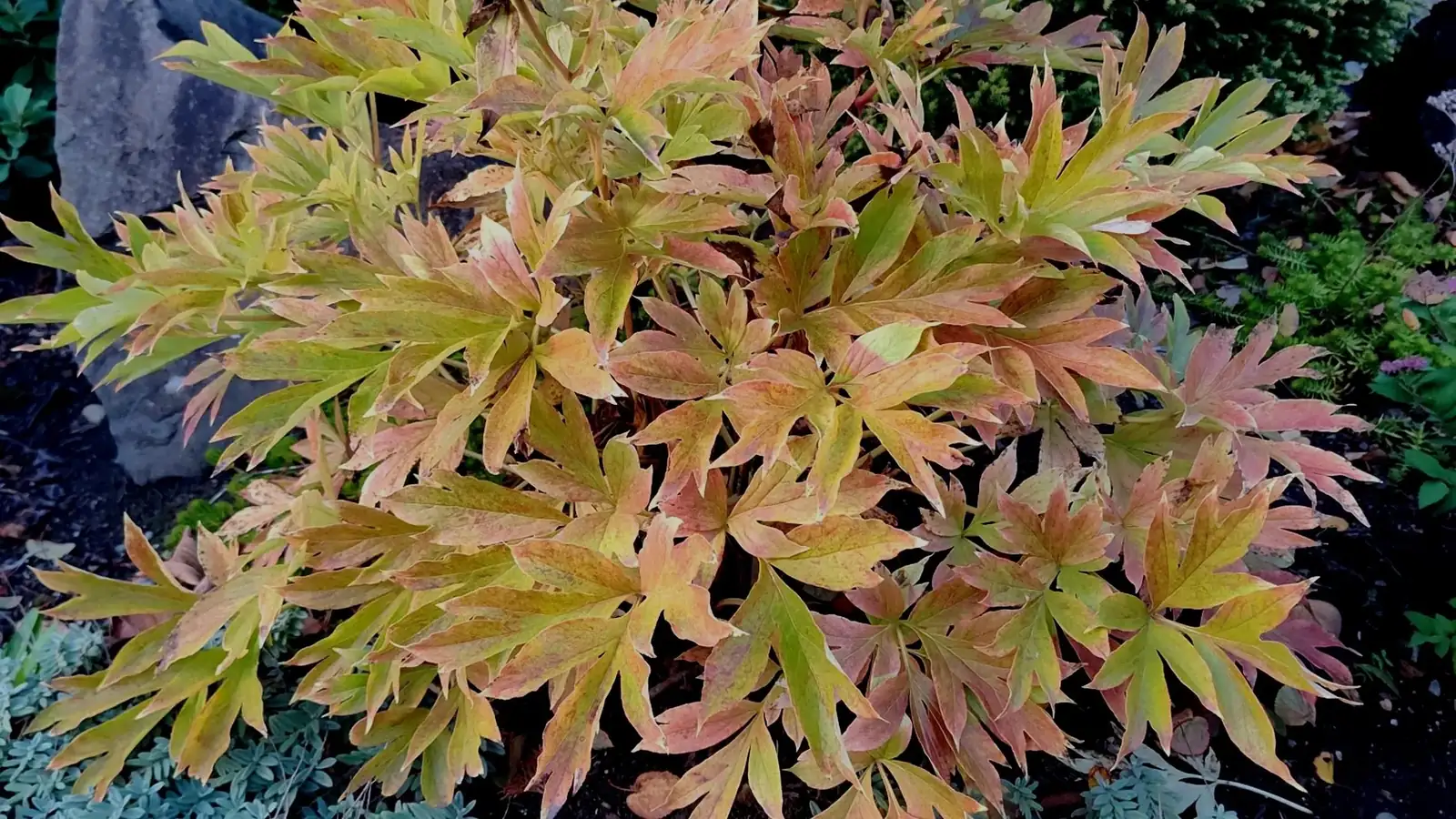
- Perennials and Shrubs: These plants usually start preparing for dormancy as summer wanes. Fertilizing them beyond mid-summer can disrupt this natural cycle.
- Fruit Trees and Vegetables: For fruit trees, stop fertilizing by midsummer to focus energy on ripening fruits rather than new leaves. For vegetables, hold off once the main harvest has peaked; this helps in channeling energy towards fruit rather than leaves.
- Lawn Care: Lawns have different needs. Some slow-release fertilizers can be applied later in the season to promote root growth, but heavy nitrogen fertilizers should be avoided late in the year.
Common Fertilizing Mistakes
- Ignoring Plant Needs: Not all plants require the same amount of fertilizer. Over-fertilizing can cause nutrient burn and lead to poor plant health.
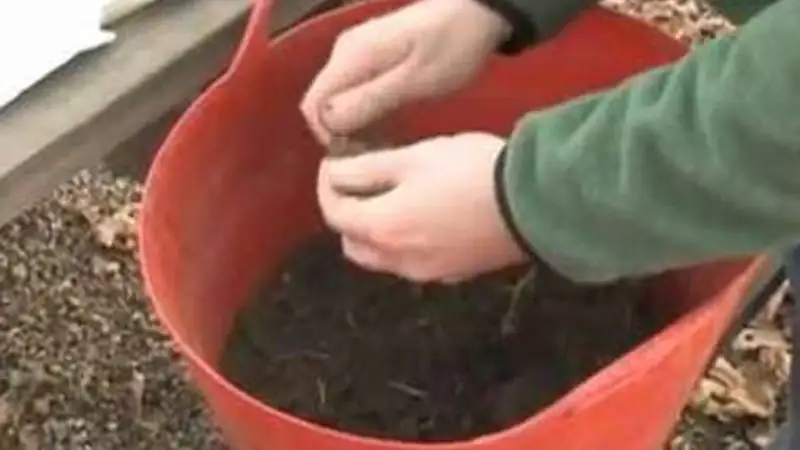
- Skipping Soil Tests: Before applying fertilizers, it’s wise to conduct a soil test. This will inform you of nutrient deficiencies and prevent unnecessary applications that could harm your plants.
- Fertilizing in Extreme Weather: Avoid fertilizing on very hot days or during the wet season, as nutrients can be washed away or cause stress to plants.
Tips for a Healthy Garden Transition
- Use Slow-Release Options: For those who want to give their plants a little boost heading into colder months, consider slow-release fertilizers which can gently feed plants over time without causing a growth spurt.
- Consider Natural Alternatives: Compost and organic matter can be great alternatives to chemical fertilizers, enriching the soil without the risk of over-fertilization.
By understanding the natural cycles of your garden and adjusting your fertilizing schedule accordingly, you can ensure that your plants are well-prepared for the winter ahead — and ready to spring back to life when the warmer weather returns. So, take a step back, observe your garden, and let nature lead the way.


