
Ever wonder why some plants thrive while others just seem to survive? A big secret lies in how you feed them throughout their growth stages. Just like us, plants have different nutritional needs at different times in their life cycle. By adjusting the dilution of fertilizers according to these stages, you can maximize your plant’s health and productivity. Let’s dive into how you can tailor your fertilization strategy to keep your green friends flourishing all year round.
Understanding Plant Growth Stages
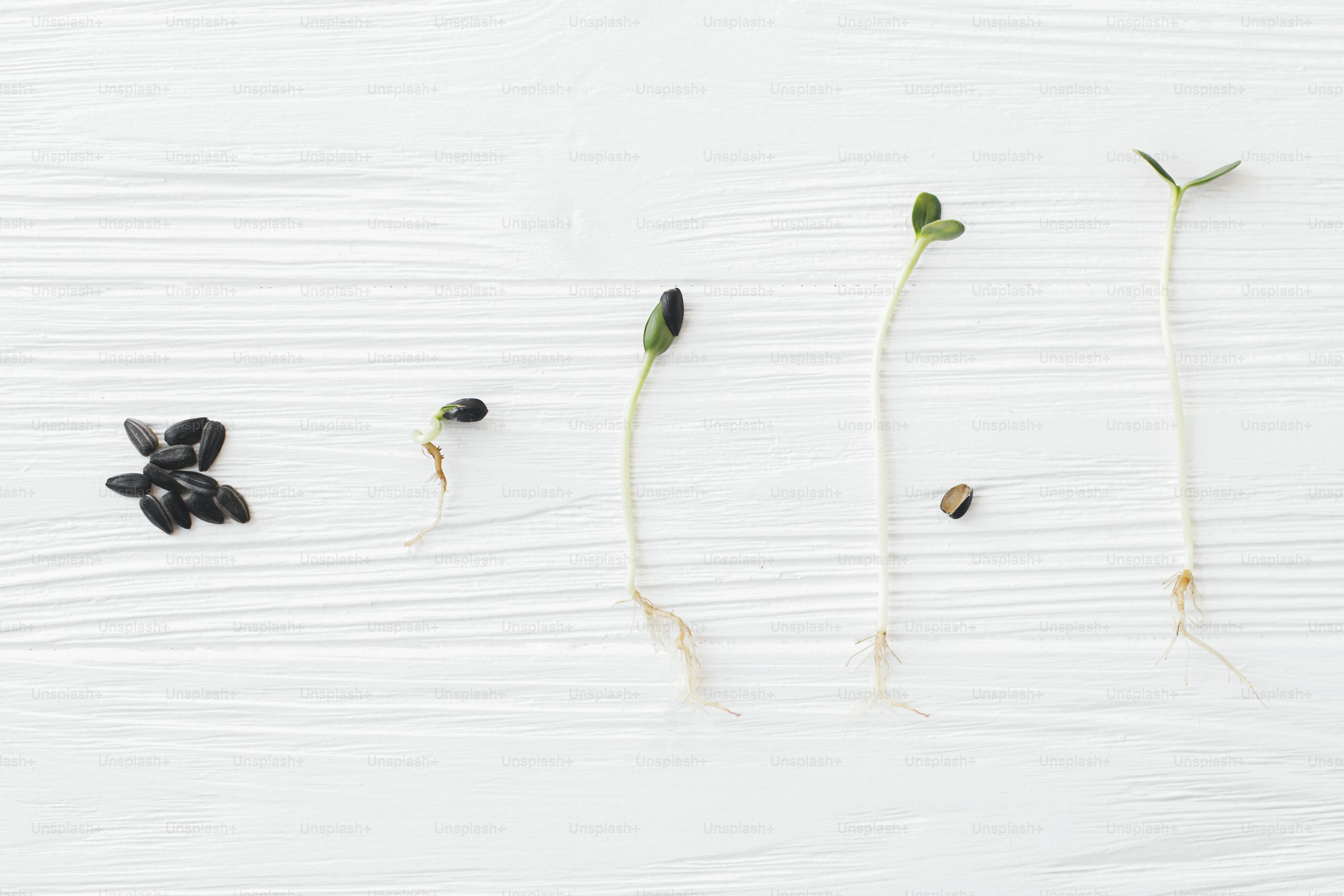
Plants go through several key stages: the vegetative stage, flowering stage, and for some, the fruiting stage. Each of these phases demands a different nutrient mix to support the plant’s specific needs.
The Vegetative Stage: Fuel for Growth
During the vegetative stage, plants are all about building up foliage, stems, and roots. This is the time for rapid growth, and plants need plenty of nitrogen to support this lush, green development. Nitrogen is like the protein bodybuilders consume, essential for creating strong, healthy structures.
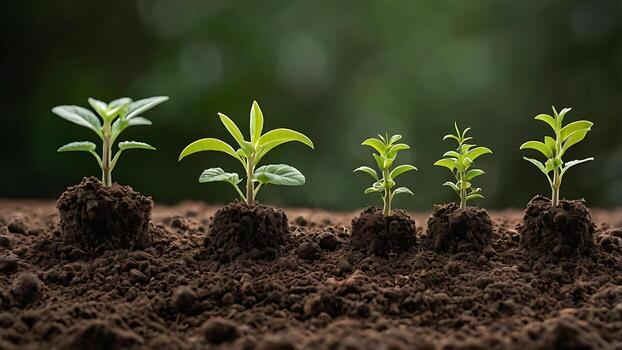
- Fertilizer Tip: Use a nitrogen-rich fertilizer, like one with a 4-3-3 NPK ratio. For potted plants, dilute your liquid fertilizer to about half strength to avoid burning the roots, which is a common mistake many gardeners make.
The Flowering Stage: Preparing for Blooms
As plants enter the flowering stage, their needs shift. They now require more phosphorus and potassium, which support flower and fruit development. Less nitrogen is needed, as too much can actually hinder bloom production.
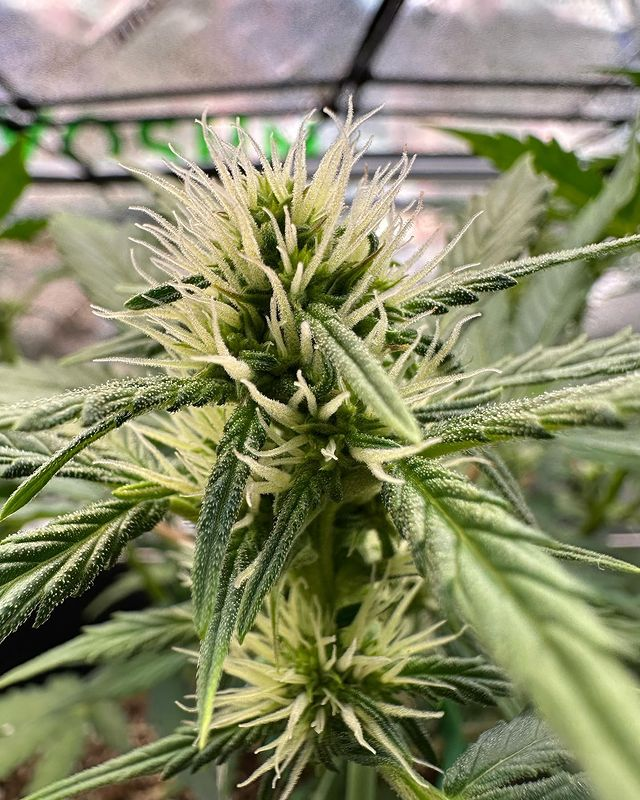
- Fertilizer Tip: Transition to a fertilizer with a higher phosphorus content, such as a 2-4-4 NPK ratio. Adjust the dilution to ensure it delivers nutrients without overwhelming the plant. A quarter-strength dilution is often adequate.
The Fruiting Stage: Supporting Harvest
For plants that produce fruit, this stage is when they need plenty of potassium to ensure robust fruit development. Potassium helps in the formation of sugars and starches, which are crucial for fruit quality.
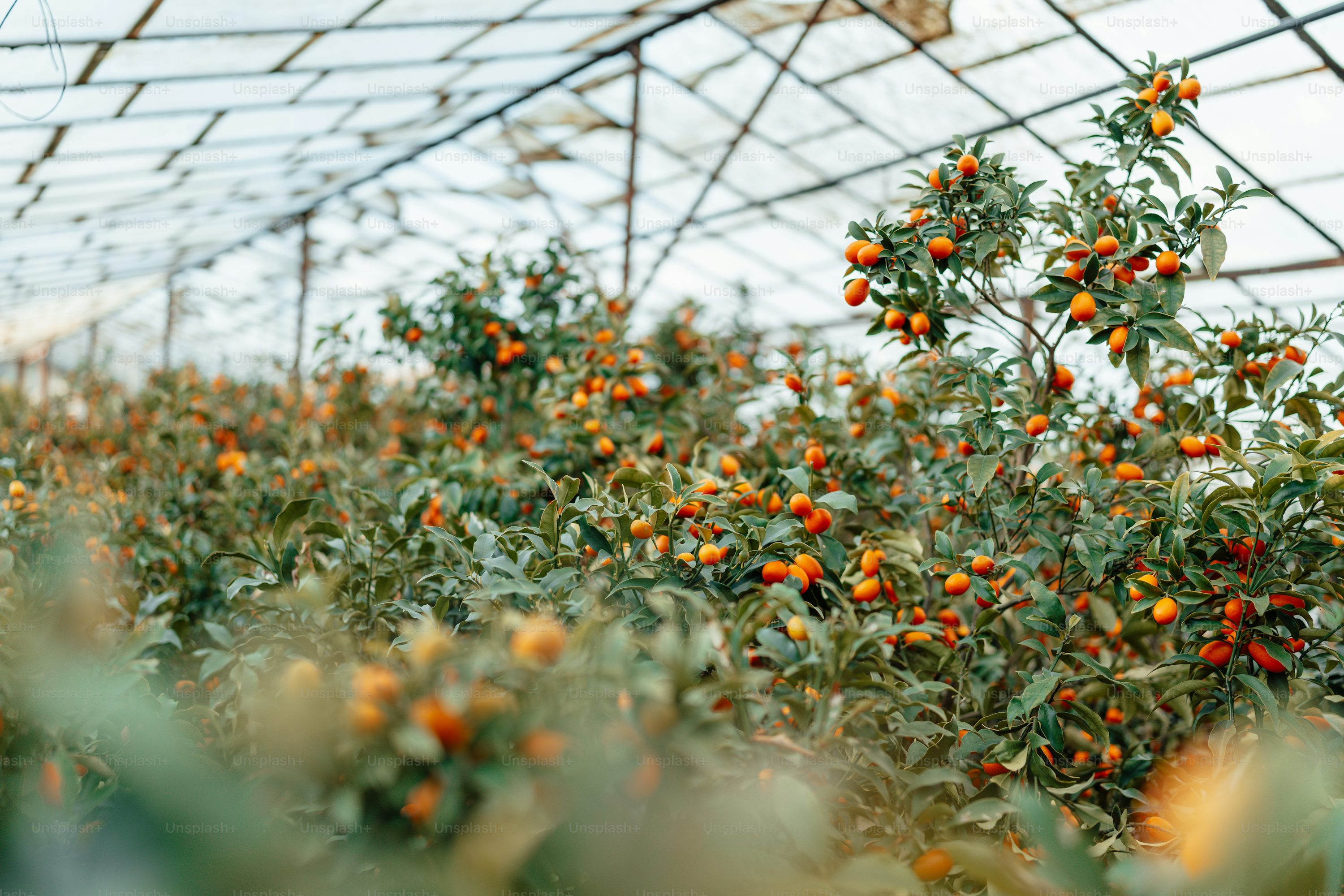
- Fertilizer Tip: Opt for a balanced fertilizer with slightly higher potassium. Adjust your dilution to meet the plant’s current growth rate and environmental conditions.
Practical Tips for Adjusting Fertilizer Dilution
- Read Labels Carefully: Fertilizer packages often provide dilution ratios. A common method is to use 1 teaspoon per gallon for general use, but always check specific product recommendations.
- Monitor Growth and Adjust: Keep an eye on your plants. If leaves start yellowing or growth stalls, it could be a sign that your fertilization needs tweaking.
- Avoid Over-Fertilization: It’s tempting to think more is better, but over-fertilizing can harm your plants. Start with lower concentrations and adjust gradually.
- Consider the Season: Growth rates change with the seasons. Plants generally need more nutrients in the spring and summer than in the fall and winter.
- Use the Right Tools: For liquid fertilizers, use calibrated measuring cups or syringes to ensure accurate dilution.
Conclusion: Timing is Everything
Adjusting your fertilizer dilution to match your plant’s growth stage isn’t just about pouring the right amount of liquid. It’s about understanding what your plants need to thrive at any given time. By aligning your fertilization strategy with these needs, you’ll be setting the stage for a vibrant, healthy garden. Remember, the key is observation and adjustment—watch your plants, listen to their needs, and feed them accordingly. Happy gardening!