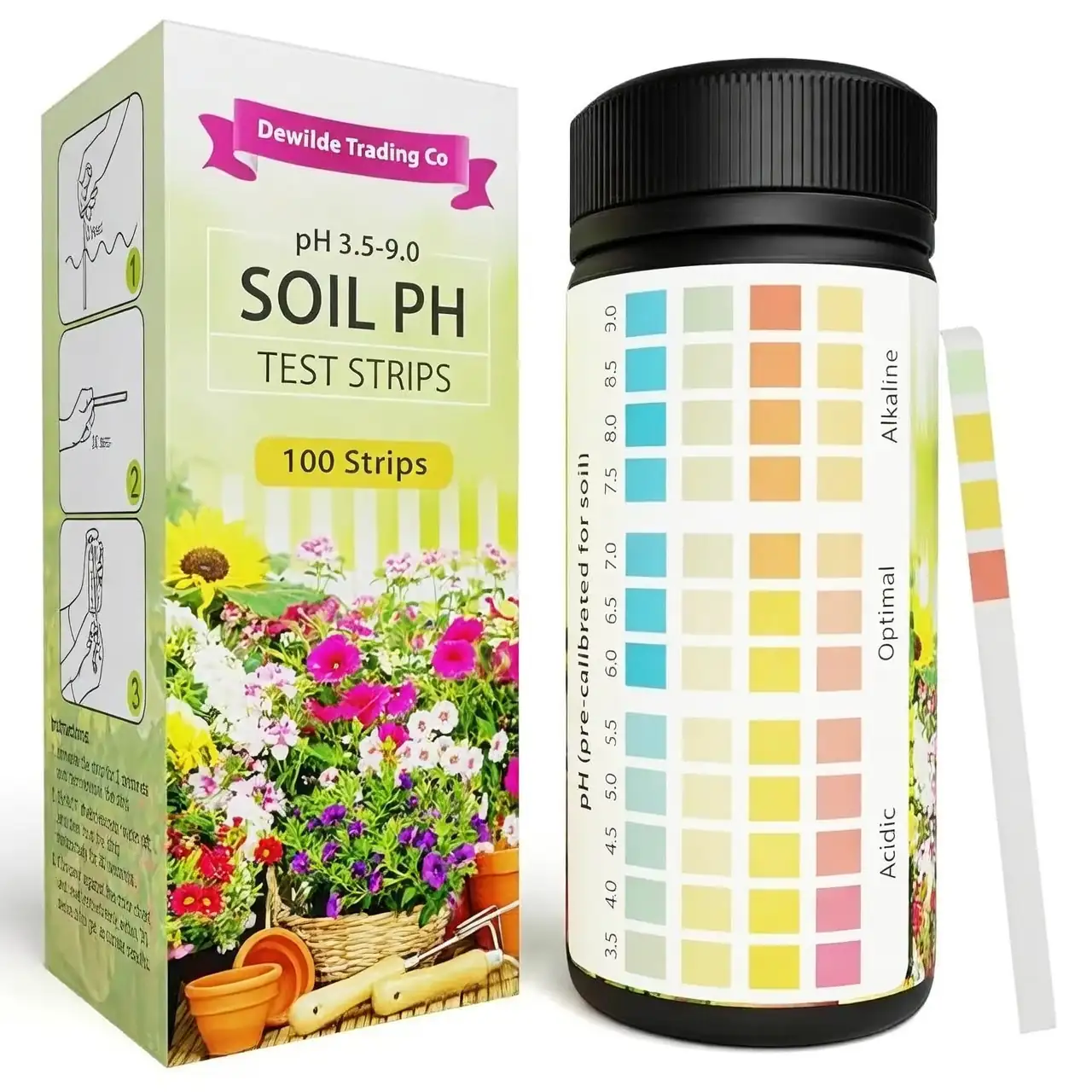
Fertilizing your garden is like giving it a health boost, ensuring your plants have the nutrients they need to thrive. But with so many methods and products out there, it can get a bit overwhelming. Let’s break down some simple, safe, and effective ways to fertilize your plants.
The Basics of Fertilization
Before diving into methods, it’s crucial to understand the fundamentals. Plants need a mix of nutrients, primarily nitrogen, phosphorus, and potassium, to grow robustly. Conducting a soil test is a smart first step to identify any deficiencies and tailor your fertilization strategy accordingly.
Methods of Fertilization
1. Broadcasting
Broadcasting involves spreading granular fertilizer evenly over your garden or lawn. This method is popular among homeowners due to its simplicity and cost-effectiveness, especially for large areas. Using a broadcast or drop spreader ensures even distribution. However, be cautious of potential nutrient runoff, especially before heavy rains.
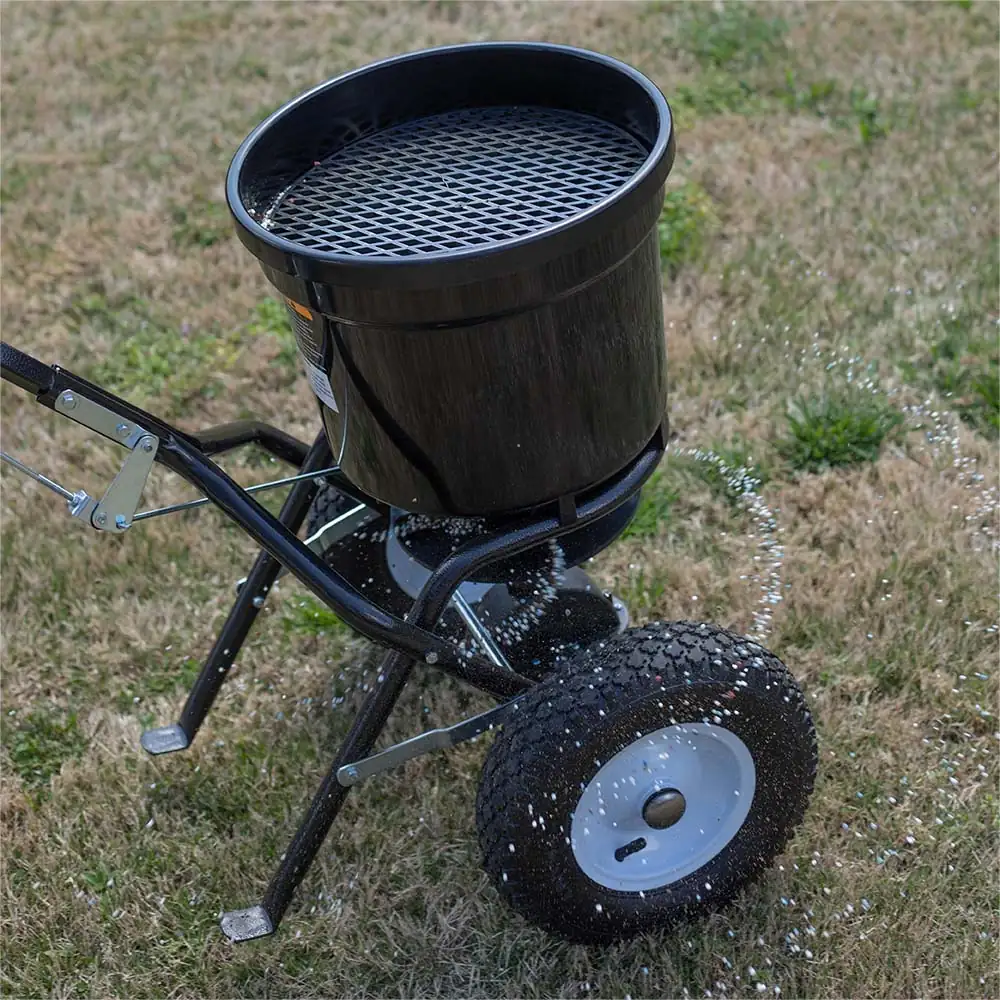
Best For: Established lawns and large garden areas.
Tips: For best results, avoid applying before a storm to minimize runoff and potential pollution.
2. Banding
Banding places fertilizer in a concentrated strip beside or below seeds at planting. This method is ideal for newly seeded lawns and garden beds, as it keeps nutrients accessible but not too close to young plant roots, which could cause damage.
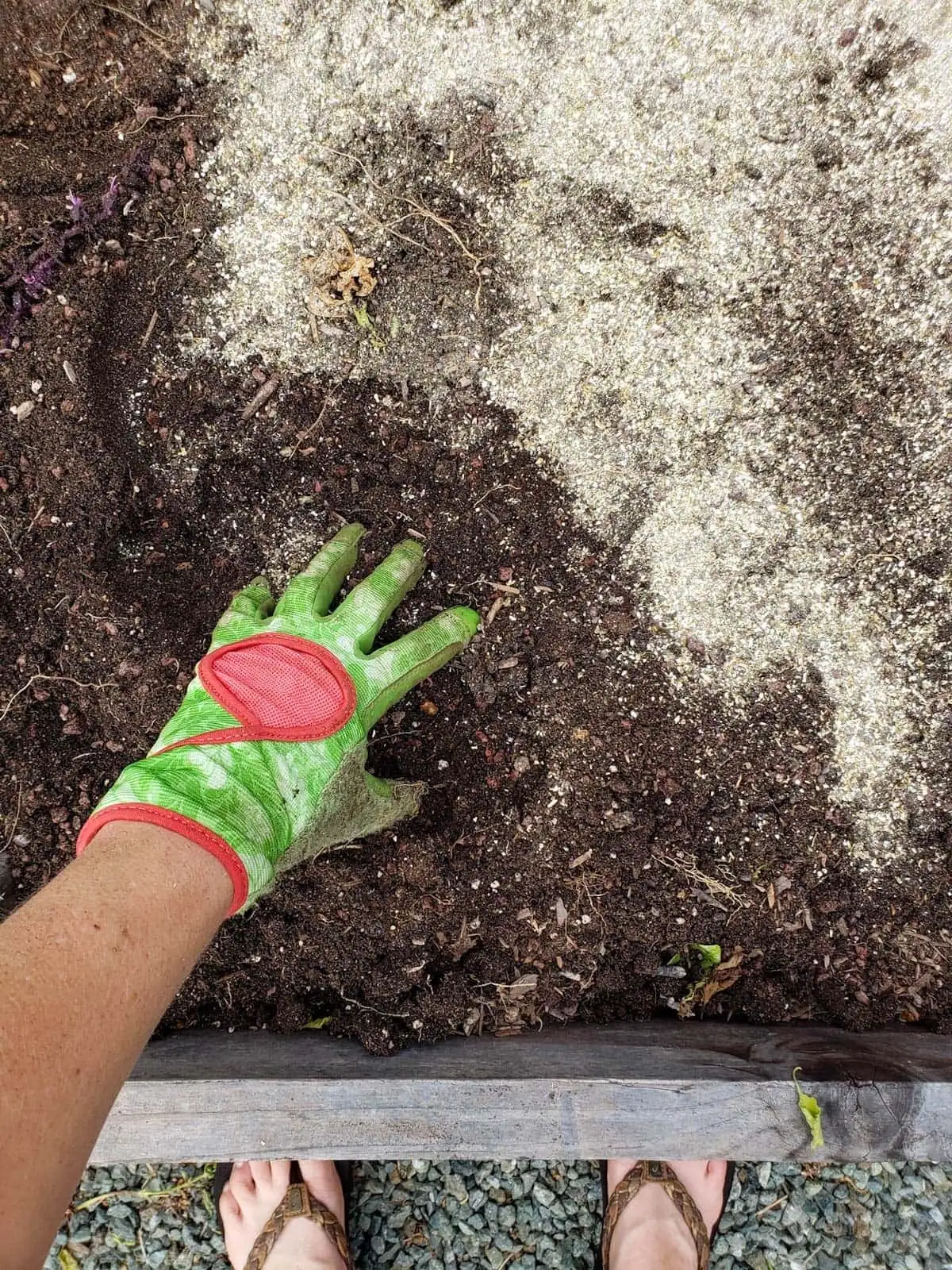
Best For: New plantings and targeted feeding in gardens.
Tips: Ensure the fertilizer band is placed at a safe distance from the seeds to prevent burning young roots.
3. Aerator Application
If your lawn suffers from compacted soil, using an aerator to deliver fertilizer can be highly effective. This method punches holes in the soil, allowing nutrients to reach deeper into the root zone.
Best For: Lawns with compacted soil.
Tips: Combine aeration with fertilization in early spring or fall for optimal results.
4. Foliar Feeding
Foliar feeding involves spraying liquid fertilizer directly onto plant leaves, providing a quick nutrient boost. It’s particularly useful for addressing specific nutrient deficiencies rapidly.
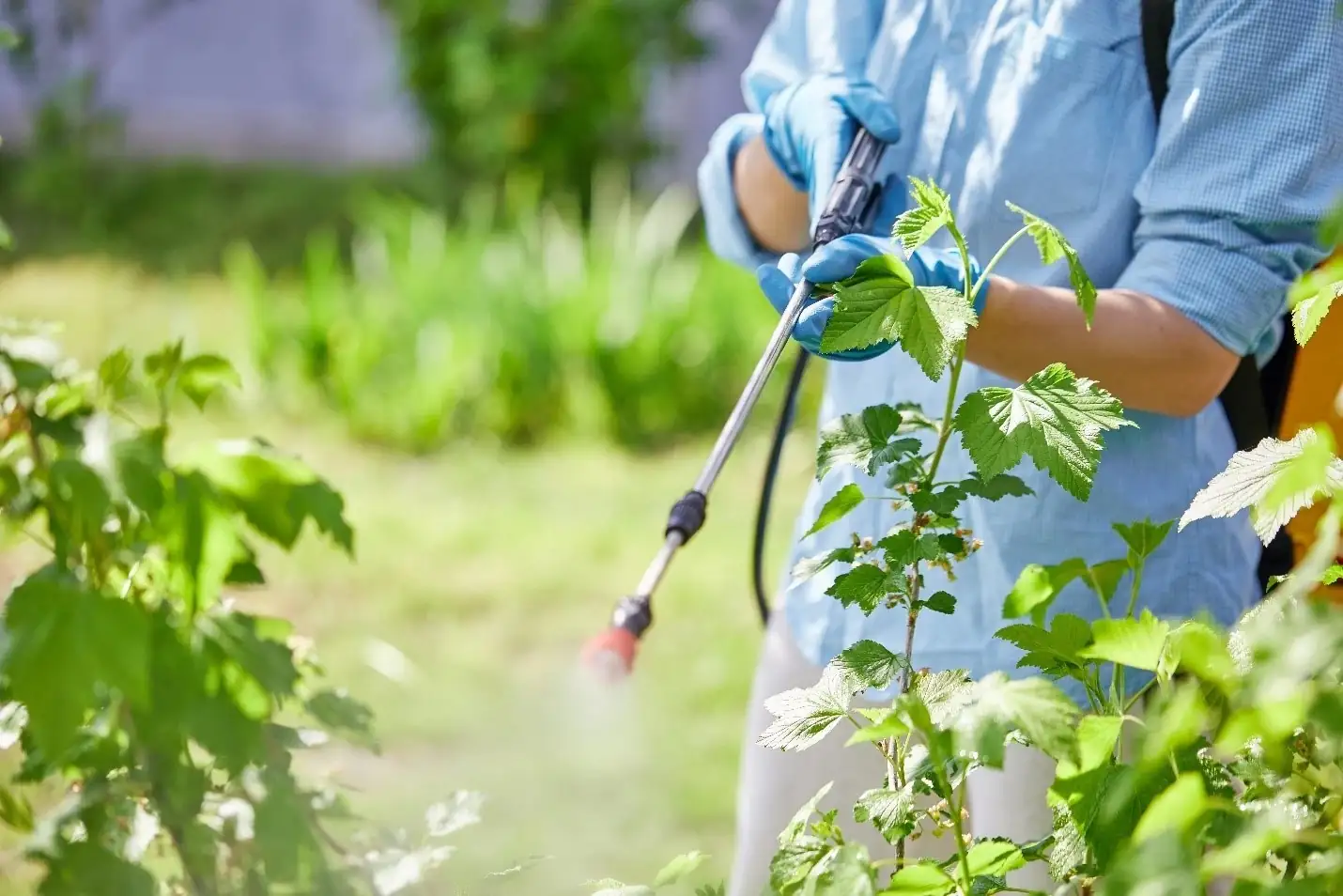
Best For: Quick fixes and minor nutrient deficiencies.
Tips: Apply during early morning or late afternoon to avoid leaf burn from the sun.
5. Fertigation
Fertigation integrates fertilizer with your irrigation system, delivering nutrients directly to plant roots. This method is efficient for large properties and ensures consistent nutrient distribution.
Best For: Large gardens with an irrigation system in place.
Tips: Regularly check your irrigation system to prevent clogs and ensure even fertilizer distribution.
Organic vs. Inorganic Fertilizers
There’s ongoing debate over the benefits of organic versus inorganic fertilizers. Organic options, like compost and manure, improve soil structure and add nutrients slowly, whereas inorganic fertilizers offer precise nutrient delivery but may contribute to runoff. Choose based on your garden’s specific needs and personal preferences.
Common Mistakes to Avoid
- Ignoring Soil Tests: Always conduct a soil test before fertilizing to ensure you’re addressing specific nutrient needs.
- Over-fertilizing: More isn’t always better. Follow product instructions to avoid plant damage and environmental harm.
- Timing Errors: Apply fertilizers at the right time, typically early spring or fall, avoiding hot summer months when plants are stressed.
Final Thoughts
By selecting the right fertilizer application method for your garden’s needs and following these simple tips, you can ensure your plants remain healthy and vibrant. Remember, the key to effective fertilization is understanding your soil and plants. Happy gardening!