

Welcome to the world of indoor plants, where a little bit of green can brighten up your space and even improve your mood. But how do you keep these leafy companions thriving? One of the most crucial aspects of plant care is getting the watering right. Too much or too little water can spell disaster, but don’t worry—I’ve got you covered with this practical guide on watering your indoor plants.
Understanding Your Plant’s Needs
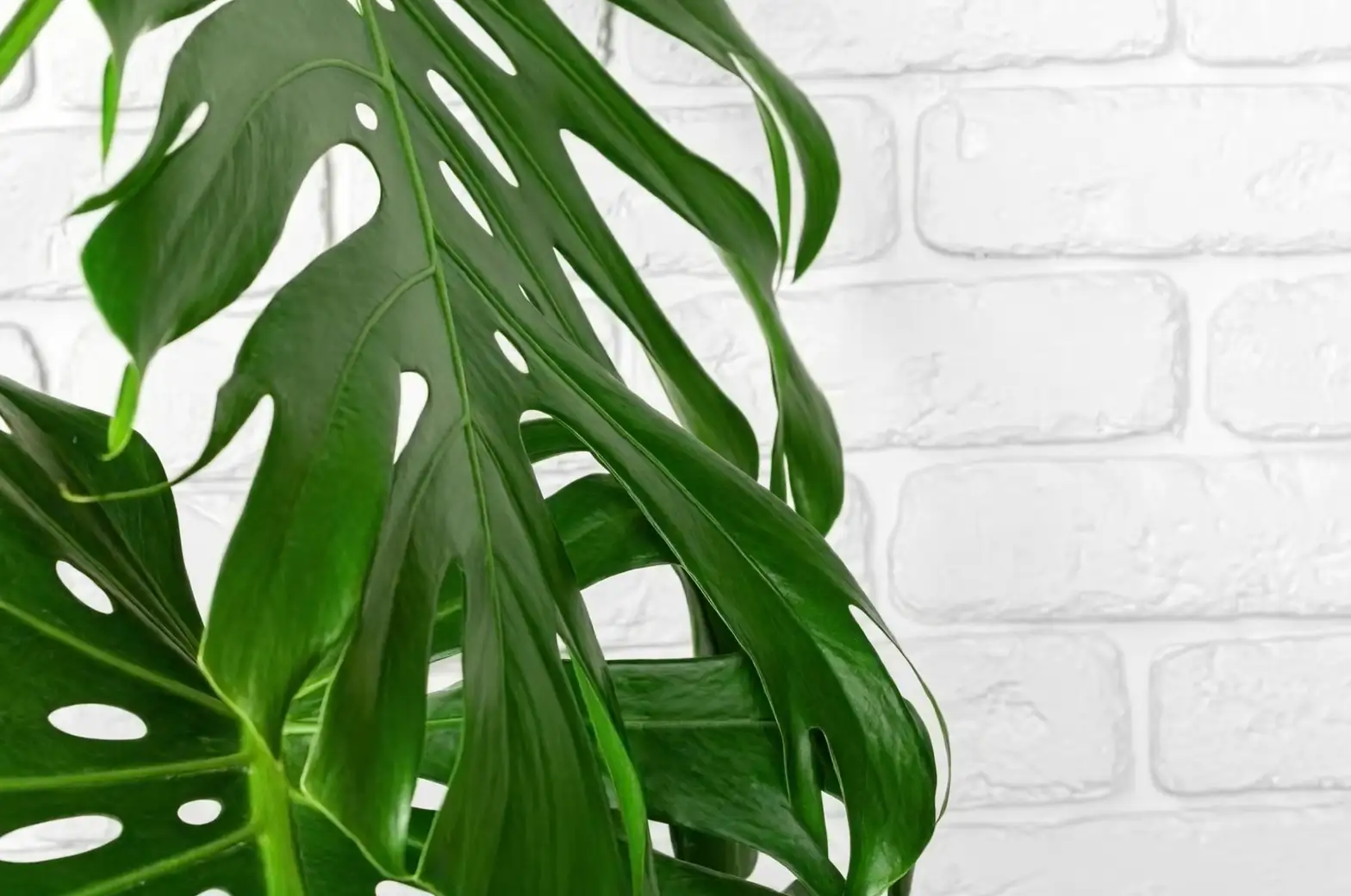
The first step in watering your houseplants correctly is understanding their unique needs. Different plants require different amounts of water. For instance, tropical plants such as the Monstera deliciosa thrive in humid, rainy environments, so they need more frequent watering. In contrast, succulents and cacti, which originate from arid regions, prefer their soil to dry out completely before the next watering.
Quick Tip: Know Your Plant’s Origins
- Tropical Plants: Monstera, Bird’s Nest Fern, and Peace Lily love moisture. Water them when the top inch of soil feels dry.
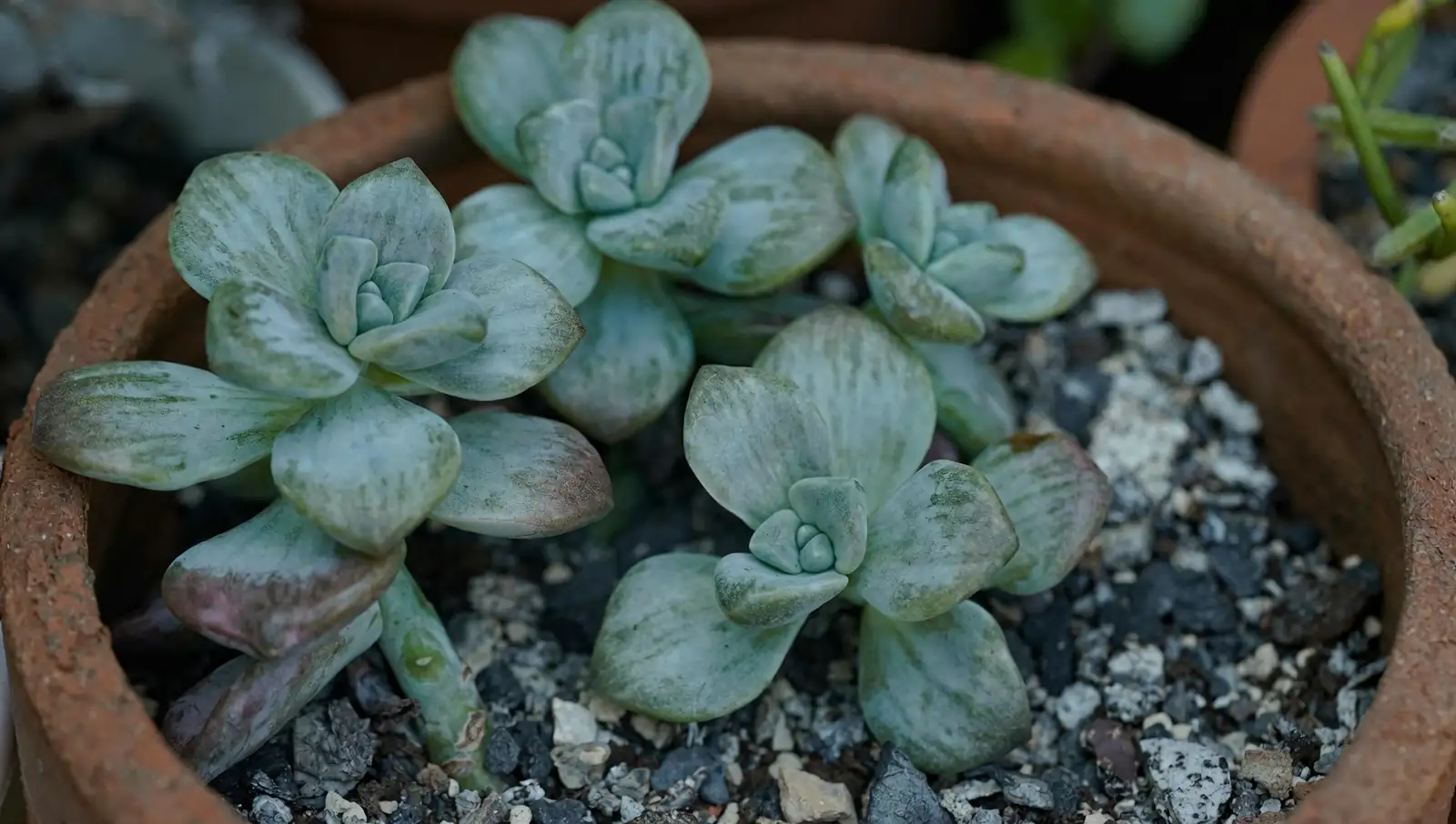
- Desert Plants: Succulents and Cacti need less water. Allow their soil to dry out completely between waterings.
Factors Affecting Watering Frequency
Beyond the plant type, several other factors can influence how often you should water your indoor plants:
1. Seasonal Changes
Plants generally need more water during their growth periods, typically from spring to early autumn. As the days shorten and growth slows in fall and winter, reduce watering to prevent root rot.
2. Light Exposure
Plants in brighter spots dry out faster than those in shadier areas. If your plant is basking in sunlight, you might need to water it more frequently.
3. Humidity and Temperature
Warmer rooms and drier air can cause the soil to dry out quickly. Consider misting your plants or using a pebble tray with water for humidity-loving species.
4. Pot and Soil
The material of your pot can affect evaporation rates. Terra cotta pots, for instance, allow moisture to escape through their walls, ideal for succulents. Ensure your pots have drainage holes to prevent water from sitting at the bottom.
Signs Your Plants Need Water
How can you tell when it’s time to water? Here are some practical methods:
- Finger Test: Insert your finger about an inch into the soil. If it feels dry, it’s time to water.
- Weight Test: Lift the pot—if it feels significantly lighter than after watering, it might be time to hydrate.
- Visual Cues: Look for droopy or wilting leaves, which can signal a thirsty plant.
Common Watering Mistakes and How to Avoid Them
Overwatering
The most common mistake is overwatering, which can suffocate roots and lead to rot. Remember, it’s easier to revive a thirsty plant than a waterlogged one.
Underwatering
On the flip side, underwatering can cause leaves to brown and crisp. Adjust your routine based on the plant’s needs and environmental conditions.
Inconsistent Watering
Stick to a regular watering schedule to avoid stressing your plants. Apps like Waterbug can help remind you when it’s time to water.
Final Thoughts
Every plant is different, and part of the joy of indoor gardening is learning what makes each one thrive. By observing your plants and adjusting watering schedules based on their individual needs, you can maintain a lush, healthy indoor garden. Happy watering! 🌿


