

Watering your plants might seem as simple as pouring water over them, but to truly nurture them, it’s essential to do it right. An effective watering routine can make all the difference in keeping your indoor jungle vibrant and healthy. Let’s delve into the secrets of watering your plants thoroughly without turning their pots into swamps!
Understand Your Plant’s Unique Needs
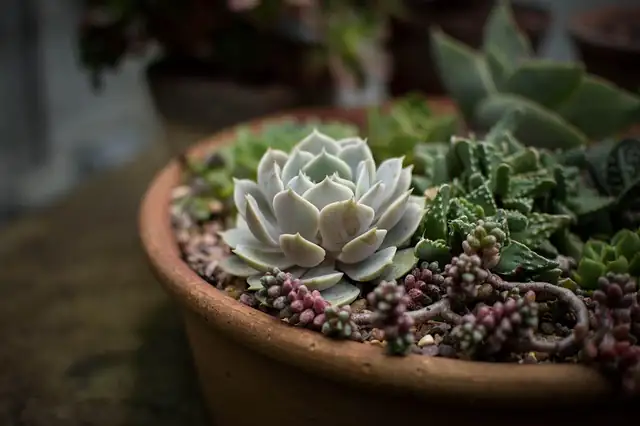
Just like people, every plant has its own personality and preferences. Some plants, like succulents, prefer a dry environment and can suffer from overwatering. Meanwhile, tropical plants such as ferns and calatheas thrive in consistently moist conditions. Before you start drenching your green friends, take some time to understand their specific needs.
A quick way to assess whether your plant needs water is by using the finger test. Simply stick your finger into the soil about two inches deep. If it feels dry, it’s time to water. For more precision, consider using a moisture meter.
Choose the Right Pot and Soil
The pot and soil you choose play a crucial role in how well your plant absorbs water. Ensure your plant’s pot has sufficient drainage holes to prevent water from pooling at the bottom and causing root rot. Also, consider the size of the pot. A pot that’s too small might restrict growth, while one that’s too large can lead to overwatering.
Opt for a porous soil mix that retains moisture while allowing excess water to escape. This balance helps maintain the necessary oxygen levels in the soil, which is vital for root health.
Water the Roots, Not the Leaves
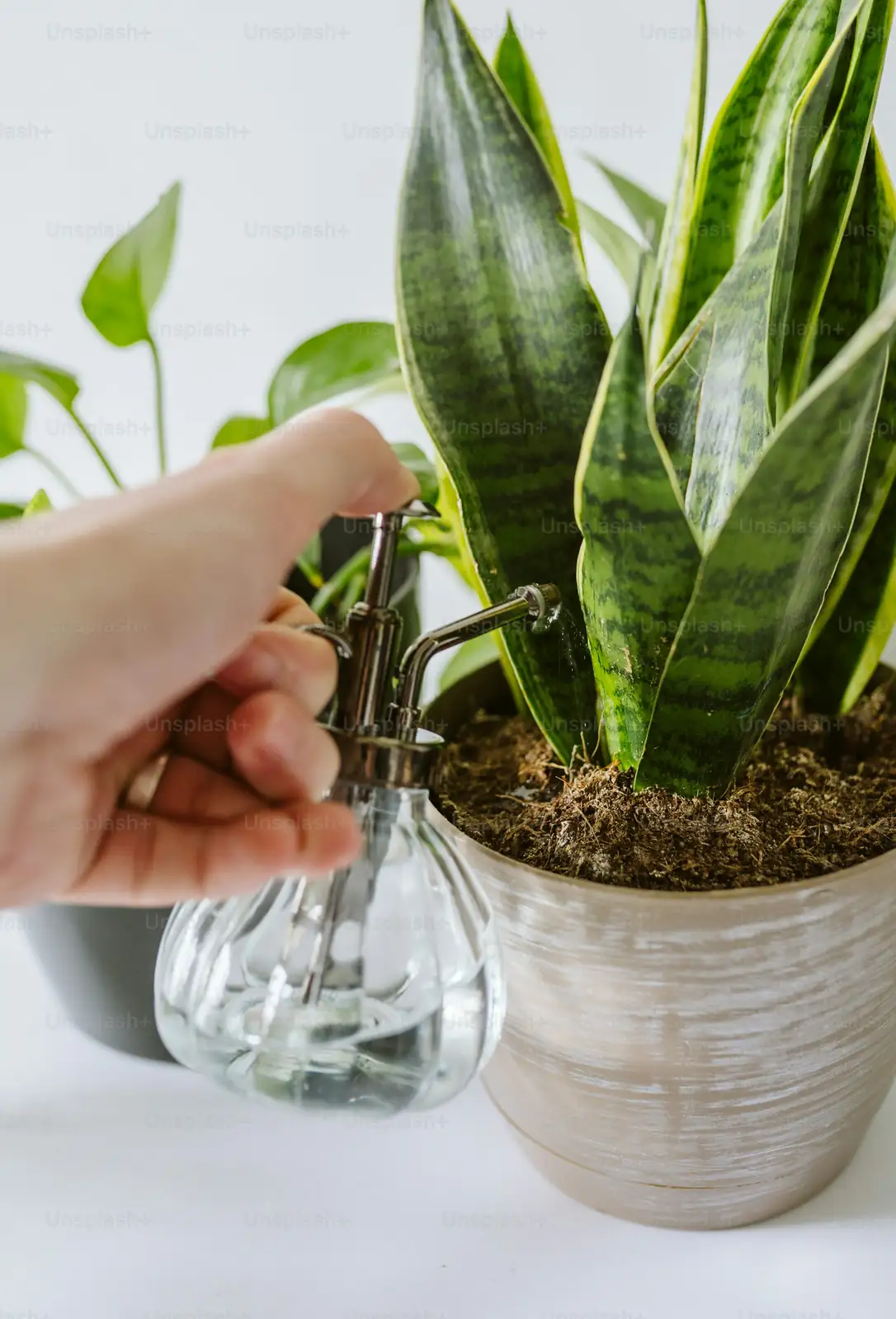
Direct your watering efforts towards the soil, not the plant’s foliage. Wet leaves can become a breeding ground for diseases and pests. Focus on saturating the root zone, where the plant absorbs water. Watering deeply encourages roots to grow deeper, making your plant more drought-resistant.
Timing Is Everything
When you water can be just as important as how much you water. The best time to water is typically in the morning when temperatures are cooler. This practice allows the plant to absorb moisture before the heat of the day and minimizes evaporation. Avoid watering in the evening when cooler temperatures and higher humidity can lead to fungal diseases.
Water Deeply, but Infrequently
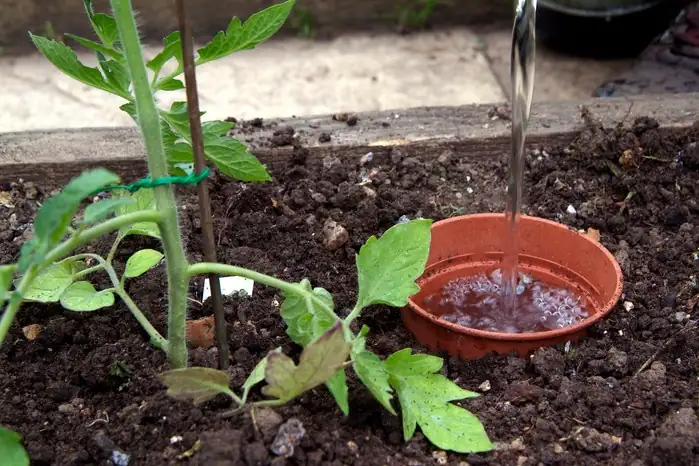
Instead of giving your plants a quick splash every day, aim for deep watering sessions. This technique encourages roots to grow deeper and strengthens the plant’s drought tolerance. Let the water soak in until the soil is moist at least five to six inches deep. After watering, allow the soil to dry out somewhat before the next session to prevent overwatering.
Use Mulch to Conserve Moisture
In outdoor settings or larger pots, applying a layer of mulch can help conserve soil moisture and reduce the frequency of watering. Mulch acts as a barrier, minimizing evaporation and keeping the soil temperature stable.
Common Mistakes to Avoid
- Overwatering: This is the most common mistake. Always check soil moisture before watering.
- Ignoring Pot Drainage: Ensure pots have drainage holes to prevent waterlogging.
- Watering Leaves: Focus on the soil, not the plant’s leaves, to avoid disease.
By understanding your plant’s specific needs and adopting these thorough watering techniques, you’ll be well on your way to becoming a plant hydration pro. Remember, each plant is unique, and with a little attention and care, your home will be a thriving oasis of green. Happy watering!


