

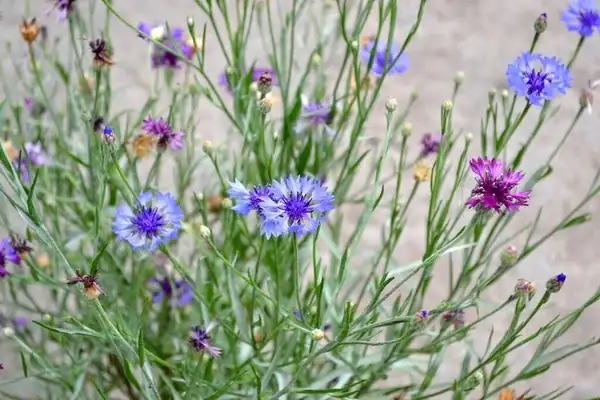
Imagine gazing out at a garden brimming with vibrant colors and bustling with the activity of beneficial insects—bees humming, butterflies dancing, and ladybugs bustling about. This idyllic scene can be yours with the inclusion of the cornflower, or Centaurea cyanus, in your garden design. Not only do these hardy annuals bring a splash of their iconic “cornflower blue,” but they also offer a host of benefits that make them indispensable for any gardener looking to attract helpful critters and enhance their planting compositions.
The Charm of Cornflowers
Cornflowers, also affectionately known as Bachelor’s Buttons, hold a unique place in the gardener’s palette. These delightful blooms are native to Europe and were once a common sight amidst the grain fields, lending their name to the striking shade of blue that they bear. Beyond their classic blue, modern cultivars have expanded the spectrum to include shades of pink, purple, white, and even deep burgundy, allowing them to complement a wide variety of garden companions.
Cornflowers in the Garden: An Aesthetic and Ecological Delight
Cornflowers are not only visually striking but also serve as ecological powerhouses in the garden. Here’s how they can enhance your gardening endeavors:
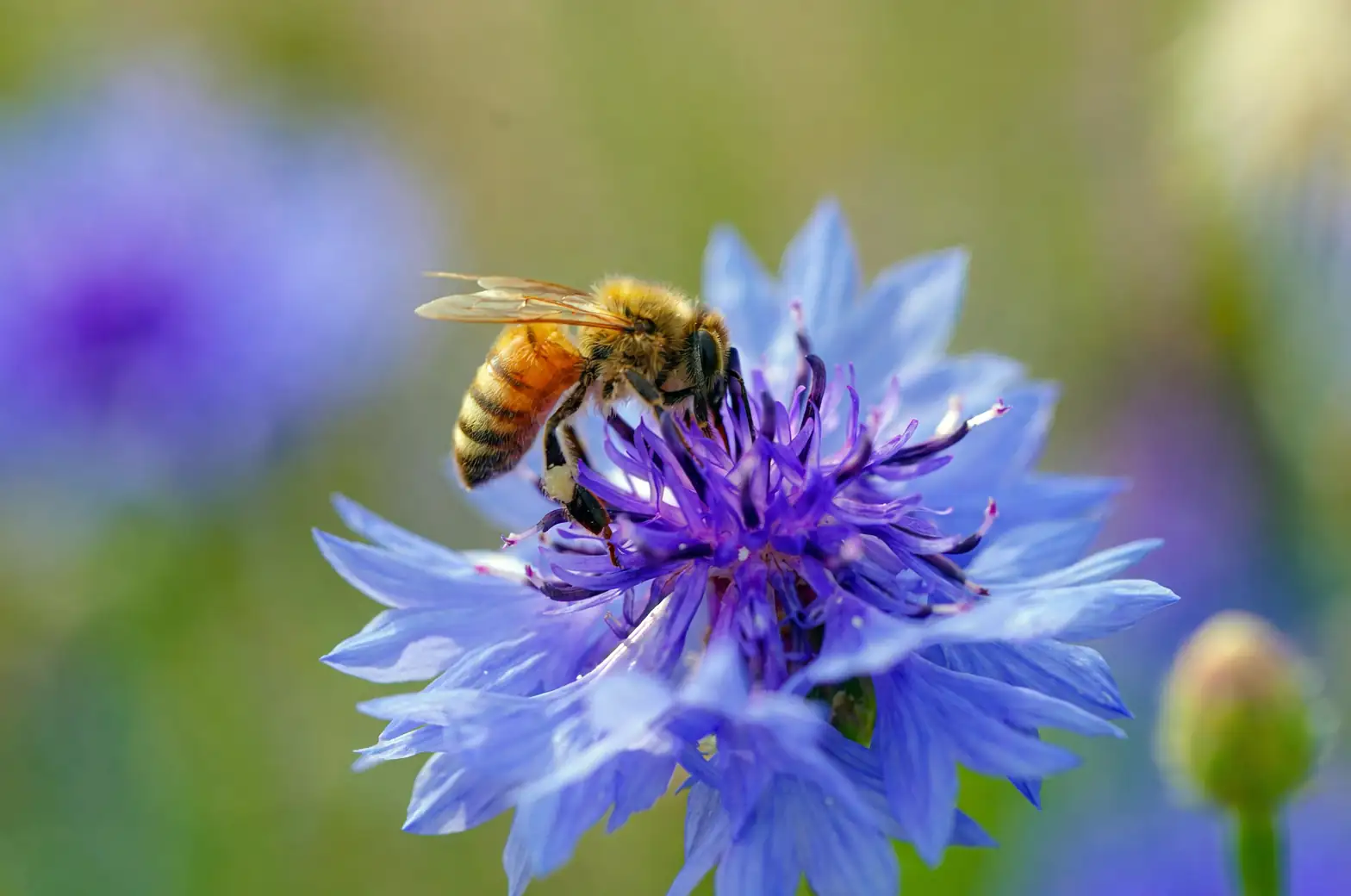
- Pollinator Magnet: The thistle-like, fringed blooms of the cornflower are particularly adored by bees and butterflies, making them an excellent choice for pollinator-friendly gardens. Imagine the buzz of activity as these beneficial insects flit from bloom to bloom, ensuring the health and productivity of your garden.
- Self-Sufficient Beauties: Known for their ease of growth, cornflowers are perfect for gardeners of any skill level. They thrive in well-drained soil and full sun, often requiring little more than regular watering and occasional deadheading to flourish. Their self-seeding nature means that they can return year after year, ensuring a continual presence in your garden landscape.
Companion Planting with Cornflowers
Incorporating cornflowers into your garden doesn’t just add color; it can also enhance the growth and health of neighboring plants. Here’s how:
- Beneficial Neighbors: Cornflowers are excellent companions in vegetable gardens, where they can attract beneficial insects like ladybugs that help control pest populations. Consider planting them alongside tomatoes or peppers, where their presence can bolster plant health naturally.
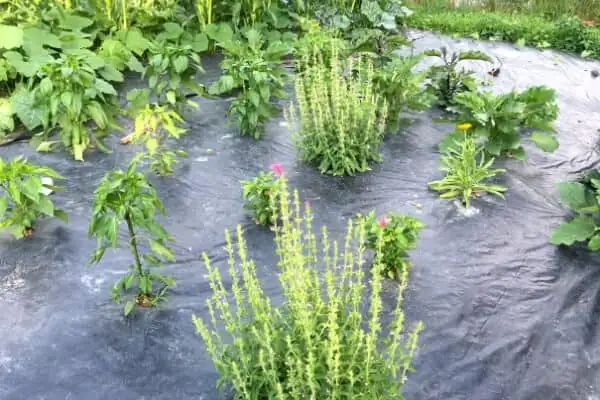
- Colorful Cohorts: Pair cornflowers with other vibrant blooms such as daisies, zinnias, or snapdragons for a visually exciting display. Their blue hues contrast beautifully against yellows and reds, creating a dynamic visual tapestry that delights the eyes.
- Cereal Companions: Historically, cornflowers have been planted alongside cereal crops like wheat and barley. This practice not only beautifies the landscape but also helps maintain soil health, providing a natural, aesthetic solution to agricultural needs.
Growing and Caring for Cornflowers
Embrace the simplicity of growing cornflowers by keeping these care tips in mind:
- Sun and Soil: Plant in full sun and well-drained soil. While cornflowers tolerate poorer soils, they bloom best in moderately fertile conditions. A touch of alkalinity in the soil is often preferred.
- Watering Wisdom: Provide about 2.5 cm (1 inch) of water weekly, especially during peak growth periods. While they are fairly drought-tolerant once established, consistent moisture can enhance bloom quality.
- Pruning for Performance: Regular deadheading encourages prolonged blooming. For a resurgence of blooms, cutting the plants back by a third after the first bloom wave can be beneficial.

Cornflower Symbolism and Uses
Cornflowers carry deep symbolic meanings, often associated with love, hope, and delicacy. In Victorian times, bachelors would wear them in their buttonholes as a sign of romantic availability, leading to the nickname “Bachelor’s Button.”
Beyond their symbolic charm, cornflowers are also functional. Their petals are edible, adding a mild cucumber-like flavor and a pop of color to salads and desserts. Moreover, dried cornflowers make for lovely crafts and arrangements, extending their beauty beyond the growing season.
Conclusion
Incorporating cornflowers into your garden is like inviting a burst of color and a flurry of beneficial life into your outdoor space. Their ease of care, vibrant blooms, and ecological benefits make them a must-have for any gardener looking to create a thriving, beautiful garden. Whether you’re a seasoned horticulturist or a budding enthusiast, cornflowers offer something spectacular for every garden landscape. So, why not let these delightful blooms and their pollinator friends work their magic in your garden this season?


