

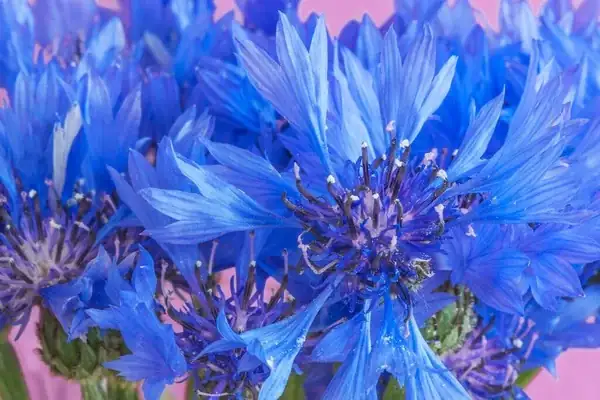
Cornflowers, or Centaurea cyanus, often captivate with their brilliant blue hue, a color so striking it has its own name: “cornflower blue.” Originally a familiar presence in the grain fields of Europe, these resilient wildflowers have since migrated into our gardens, bringing not just beauty, but a tapestry of symbolism that spans cultures and eras. Let’s unravel the stories and meanings behind this fascinating bloom.
A Bloom of Many Names and Faces
Known by many as Bachelor’s Button, the cornflower’s charm lies in both its appearance and its symbolism. As a member of the Asteraceae family, it features thistle-like, fringed blooms that are as captivating in a bouquet as they are in the wild. While blue is its signature color, cultivated varieties can also be found in shades of pink, purple, white, and deep burgundy.
Symbolism Across Cultures

Cornflowers have been revered as symbols of hope, delicacy, and even single blessedness. But how did these meanings come to be? In Victorian England, the language of flowers—a sort of floral Morse code for expressing romantic intentions—saw young men wearing cornflowers in their buttonholes. The fate of the bloom often symbolized the fate of their love: if it wilted too quickly, it was a sign that their affection was unrequited. This association earned it the nickname “Bachelor’s Button.”
In Germany, cornflowers carry historical significance from the Napoleonic era. Queen Louise of Prussia famously hid in a cornflower field with her children to evade Napoleon’s troops, weaving crowns of cornflower to calm them. Her son, Wilhelm, later declared the bloom the national flower when he became the Emperor of Germany, further cementing its place in the nation’s cultural tapestry.
Meanwhile, in Estonia, the cornflower is a national symbol, representing political unity and national pride. It is frequently seen in political contexts, embodying ideals of peace and freedom.
The Language of Flowers
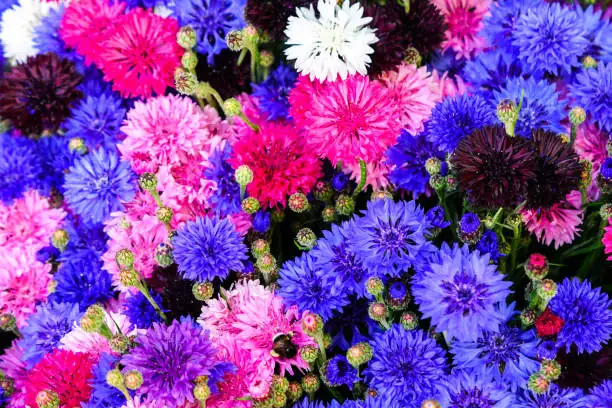
In the nuanced language of flowers, cornflowers have a lexicon all their own. Their blue hue is often associated with fidelity and trust—a fitting color for a flower tied to themes of love and patience. White cornflowers signify purity and hope, while pink expresses gentle affection. Purple cornflowers, on the other hand, carry a sense of dignity and remembrance, often used in memorials and commemorations.
Cornflowers in Modern Gardens
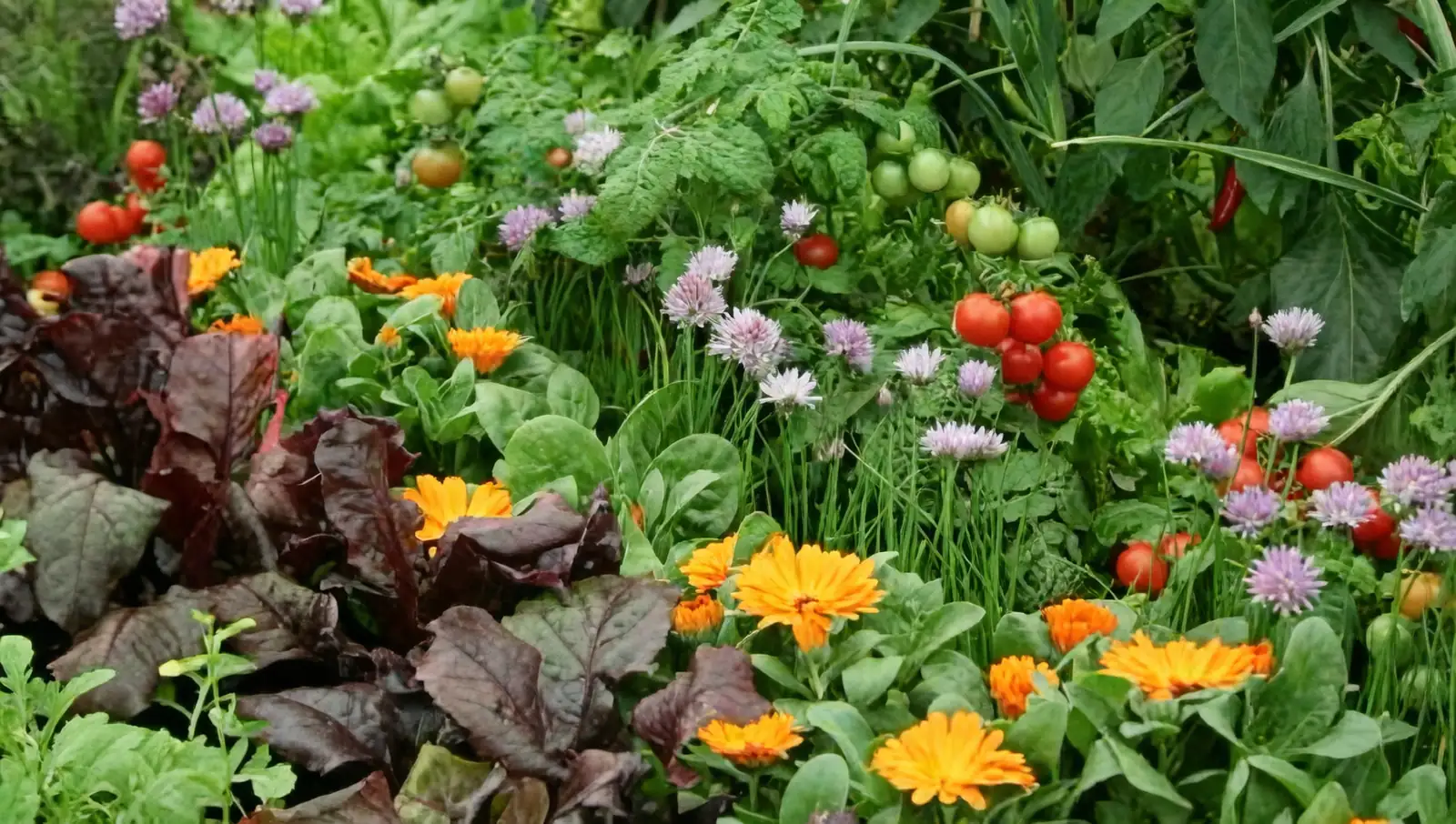
Today, cornflowers are admired not just for their symbolism, but for their practical beauty in gardens. They are a favorite among pollinators like bees and butterflies and are often planted in vegetable gardens to attract beneficial insects like ladybugs. Their edible petals add a splash of color to salads and desserts, offering a mild, cucumber-like flavor that is both unexpected and delightful.
Growing Cornflowers: A Gardener’s Delight
Easy to grow and practically self-sufficient, cornflowers are beloved by gardeners of all levels. They thrive in full sun and well-drained soil, showing resilience even in less-than-ideal conditions. As a cool-season annual, they tolerate light frost and will often self-seed, ensuring their return year after year with minimal effort from the gardener. For those looking to extend the bloom season, deadheading spent flowers ensures a prolonged display of color.
A Flower of Fortune and Folklore

Throughout history, the cornflower has been both a symbol of wealth and a warning of unrequited love. Its deep connection to European history and its role in the language of flowers make it a bloom rich in both beauty and narrative. Whether adorning a garden, a lapel, or a dinner plate, the cornflower continues to enchant and inspire with its vibrant color and storied past.
In the garden or in history, the cornflower remains a vivid reminder of the power of nature to capture the human heart and imagination. As you plant these blooms, consider the stories they carry, and let them add a chapter to the narrative of your own garden.


