

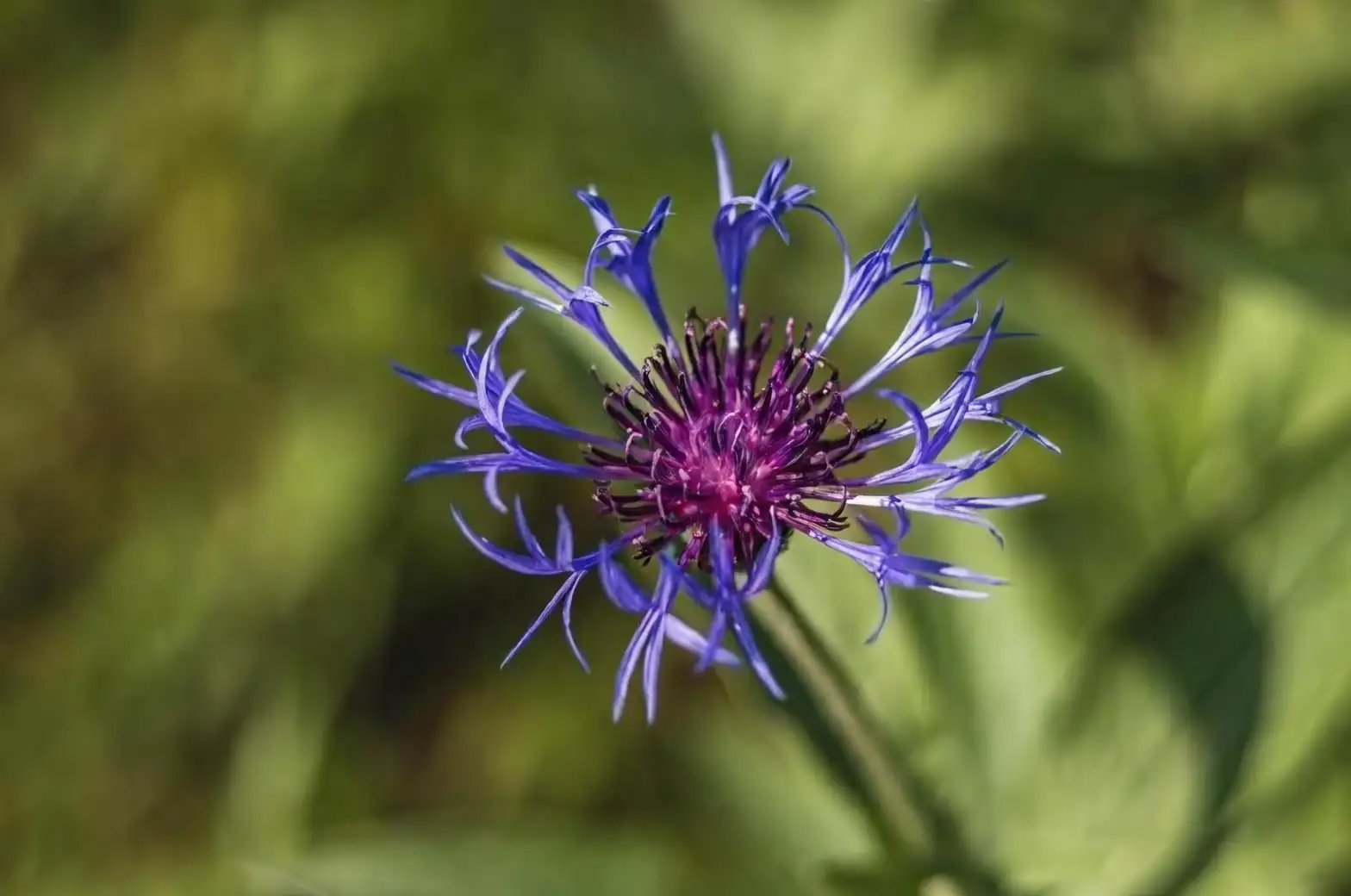
Are your cornflowers looking a little less vibrant than usual? These charming blooms, with their iconic “cornflower blue” hue, are a delight in any garden but can sometimes face threats from pests and diseases. Let’s dive into the world of Centaurea cyanus, commonly known as cornflowers or bachelor’s buttons, and explore how to keep them healthy and radiant.
Unmasking the Pests: Who’s Bugging Your Cornflowers?
Cornflowers are generally trouble-free, but like any superstar in the garden, they can attract a few pesky fans. Here are some common pests that might decide to visit your cornflowers and how to show them the exit.
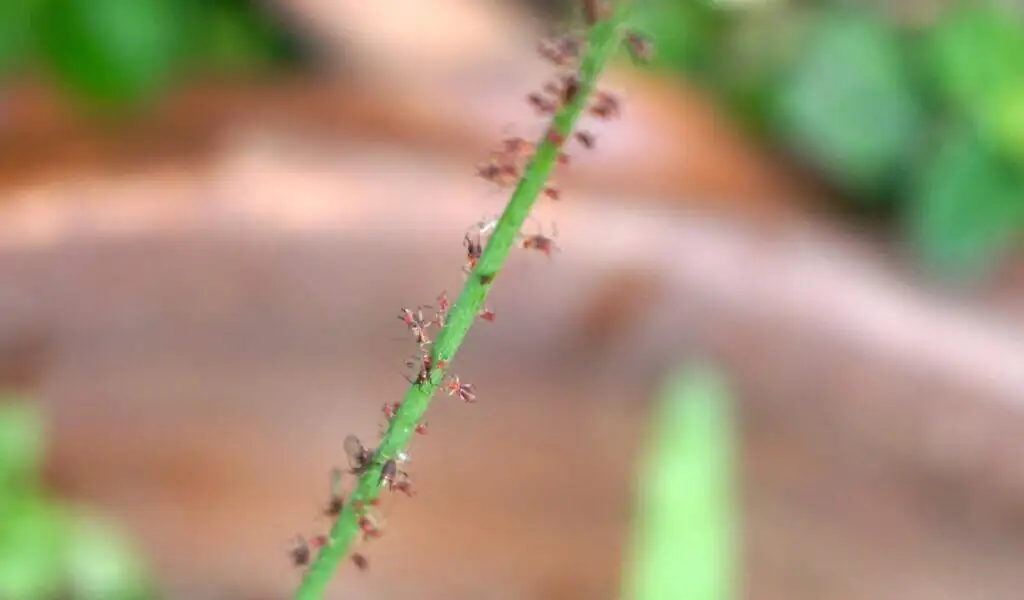
Aphids: The Sap-Sucking Swarms
These tiny green or black insects can cluster on your cornflowers, sucking the life out of your plants and leaving behind a sticky residue called honeydew. To tackle these uninvited guests, a strong spray of water can dislodge them, or consider introducing ladybugs, their natural predators, to your garden.
Mealybugs: The Cottony Culprits
If you notice white, cotton-like patches on your stems and leaves, mealybugs might be the cause. These pests can be stubborn, but a spray of water or the application of neem oil can help manage their numbers. Remember, pesticides are not recommended as they could harm beneficial insects like bees.
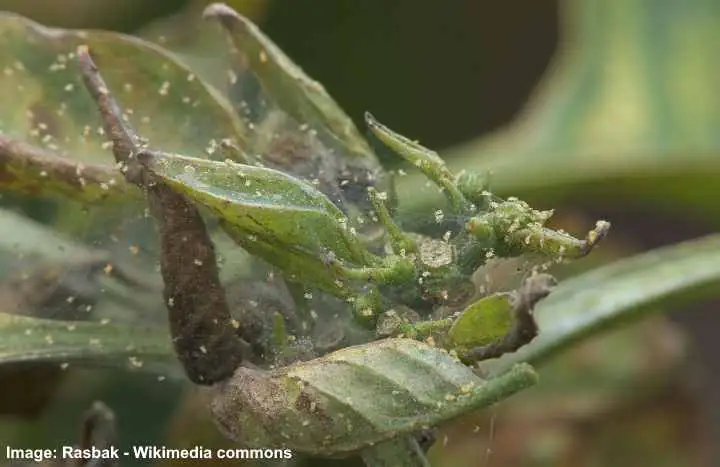
Spider Mites: The Web Weavers
These tiny pests can be spotted by the fine webbing they leave on the undersides of leaves. A damp cloth can wipe away their webs, or a simple water spray can disrupt them. For persistent infestations, insecticidal soap can be effective.
Battling Diseases: Keep Your Cornflowers Clean and Green
While cornflowers are hardy and forgiving, they are not entirely immune to diseases, particularly in humid and poorly ventilated conditions.
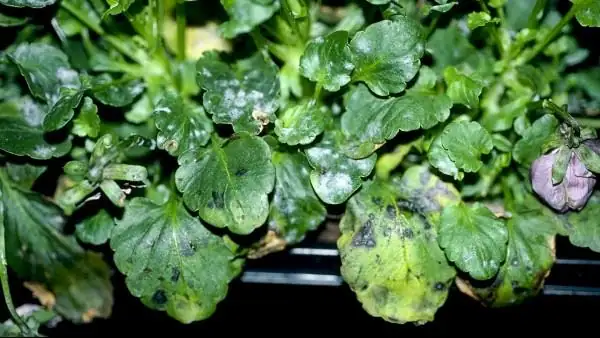
Powdery Mildew: The White Dust
This fungal disease appears as a white powder on leaves and stems, often due to high humidity and poor airflow. To prevent it, ensure good spacing between plants and improve air circulation. Removing affected foliage and applying a fungicide specifically for powdery mildew can also help.
Root Rot: A Wet Woe
Overwatering or poorly drained soil can lead to root rot, a condition where the roots decay, causing the plant to wilt. Ensure your cornflowers are planted in well-drained soil and avoid waterlogging. Allow the top layer of soil to dry out between waterings to prevent this issue.
Cultivating Resilience: Building a Strong Defense
Prevention is always better than cure. Here are some tips to keep your cornflowers thriving and robust against pests and diseases:
- Optimal Watering: Water your cornflowers deeply but infrequently, allowing the top inch of soil to dry before the next watering. This practice not only prevents root rot but also discourages pests like fungus gnats.
- Sunlight and Airflow: Cornflowers love full sun but can suffer from leaf scorch in intense heat. Ensure they get plenty of morning sun with some afternoon shade in hot climates, and plant them with ample spacing to promote airflow.
- Healthy Soil Practices: Mix compost into your soil before planting to boost fertility. If your soil is poor, a light monthly feed can enhance flowering, but avoid over-fertilizing, which can lead to weak, floppy growth.
- Regular Inspections: Keep a vigilant eye on your plants, checking for any signs of pests or disease. Early detection can make management much easier.
The Language of Flowers: More Than Just a Pretty Face
Beyond their beauty, cornflowers carry rich symbolism. Often associated with love, hope, and delicacy, they earned the nickname “Bachelor’s Button” in Victorian times, when young men wore them to signal romantic availability. If the bloom faded quickly, it was seen as a sign of unreturned affection. Today, these vibrant blooms continue to symbolize protection and healing, a reminder of their storied past in folklore and tradition.
By understanding the common challenges cornflowers face and adopting preventive care strategies, you can ensure these cheerful blossoms remain a vibrant part of your garden. Whether you’re attracting beneficial insects to your vegetable patch or simply enjoying their beauty in a vase, cornflowers are a delightful addition that, with a little attention, will thrive year after year.


