If you’ve noticed a mysterious white layer on your garden or houseplant soil, you’re not alone. This common issue can be a head-scratcher for many gardeners, but understanding its causes and knowing what to do about it can turn your gardening woes into wins. Let’s dig into the reasons behind this white surface and how you can tackle it effectively.
What Causes the White Layer on Soil?
1. Mold and Fungi
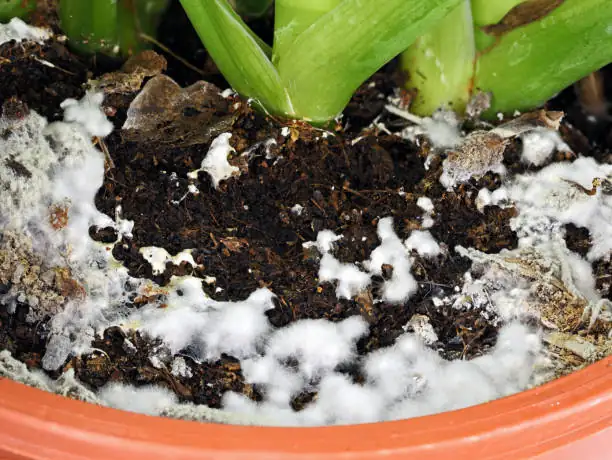
One prevalent cause of white soil is mold or fungal growth. This often appears as a white fuzzy substance and is usually the result of overwatering or poor drainage. When the soil stays too moist, it creates the perfect environment for fungi like Sclerotinia to thrive. Houseplants, in particular, can be affected due to limited airflow and humidity.
2. Mineral and Salt Build-up
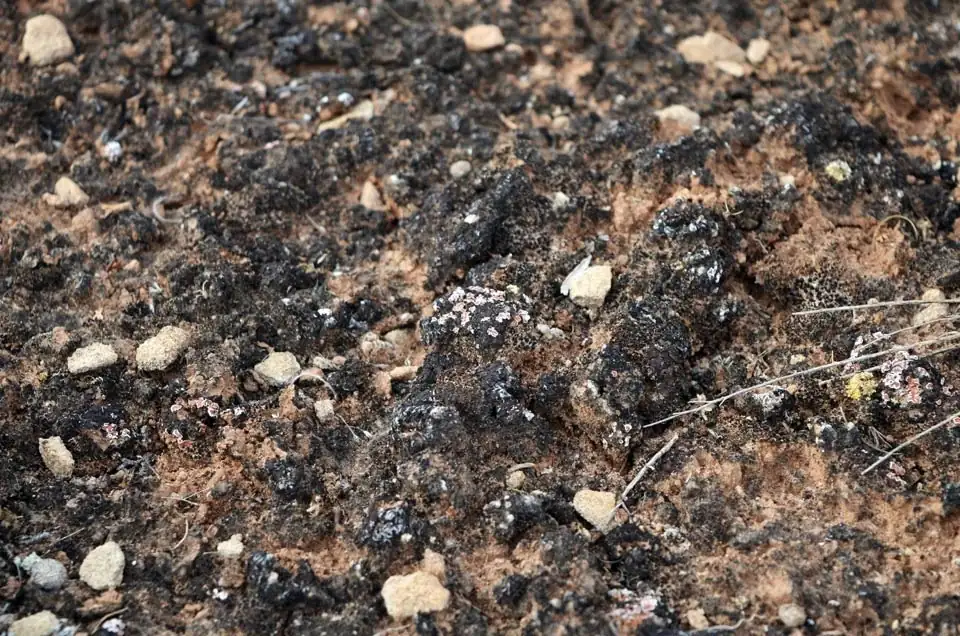
If the white appearance isn’t fuzzy, it might be a crusty layer caused by mineral deposits. This usually happens when tap water, which often contains minerals like calcium and magnesium, is used frequently. Over time, these minerals accumulate on the soil surface, especially if the water evaporates faster than it drains away.
Observation Tips: How to Identify the Culprit
Before you jump to conclusions, take a moment to inspect the white layer more closely:
- Texture Check: Is it fuzzy and soft, or crusty and hard? Fuzzy indicates mold, while a crusty surface suggests mineral build-up.
- Environment Assessment: Consider if your plants have been exposed to excessive moisture or poor airflow. High humidity and lack of ventilation are often mold culprits.
- Water Source Analysis: Reflect on the type of water you use. Tap water can contribute to mineral deposits over time.
Solutions: How to Get Your Soil Back to Health
For Mold and Fungi
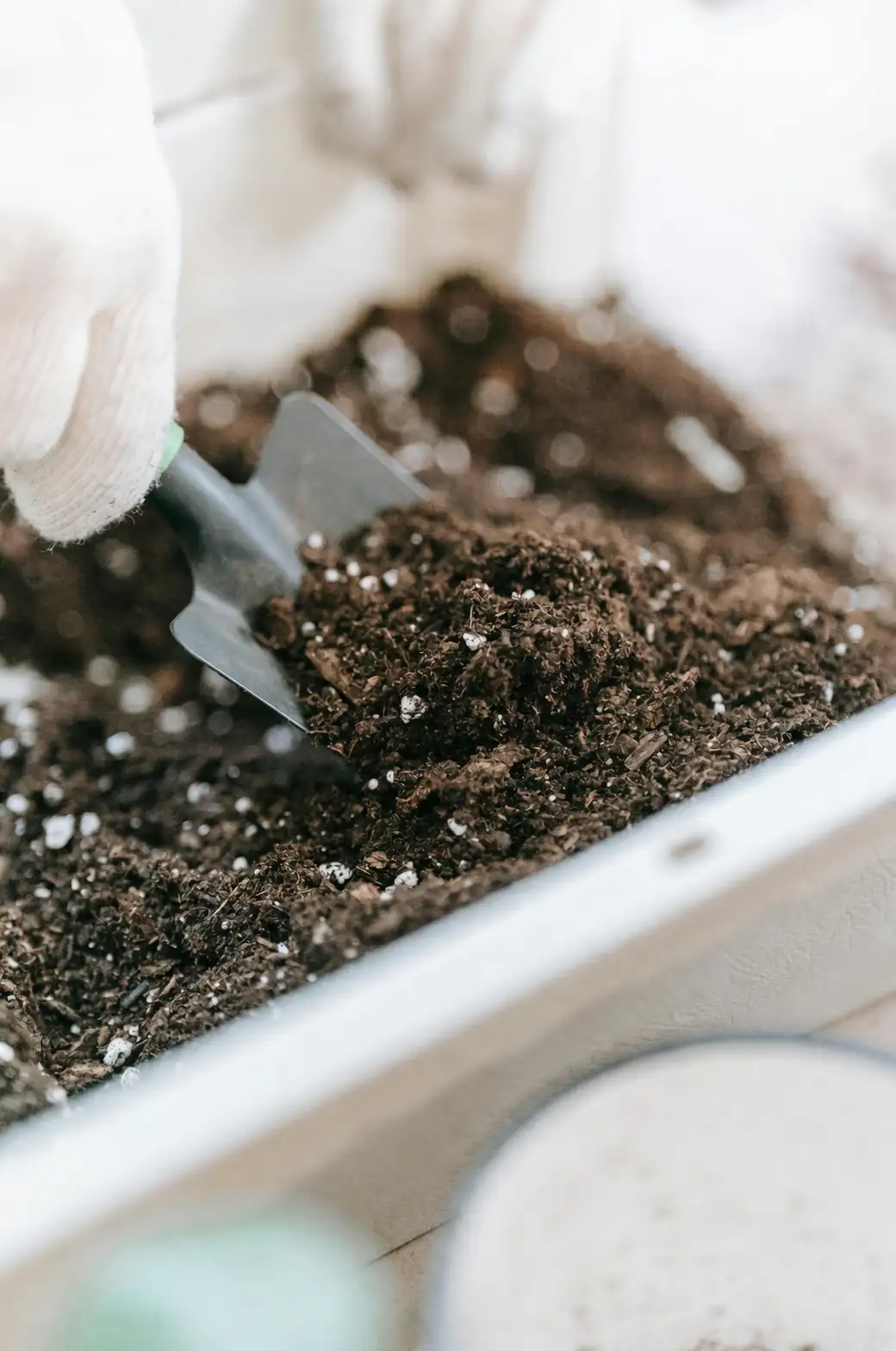
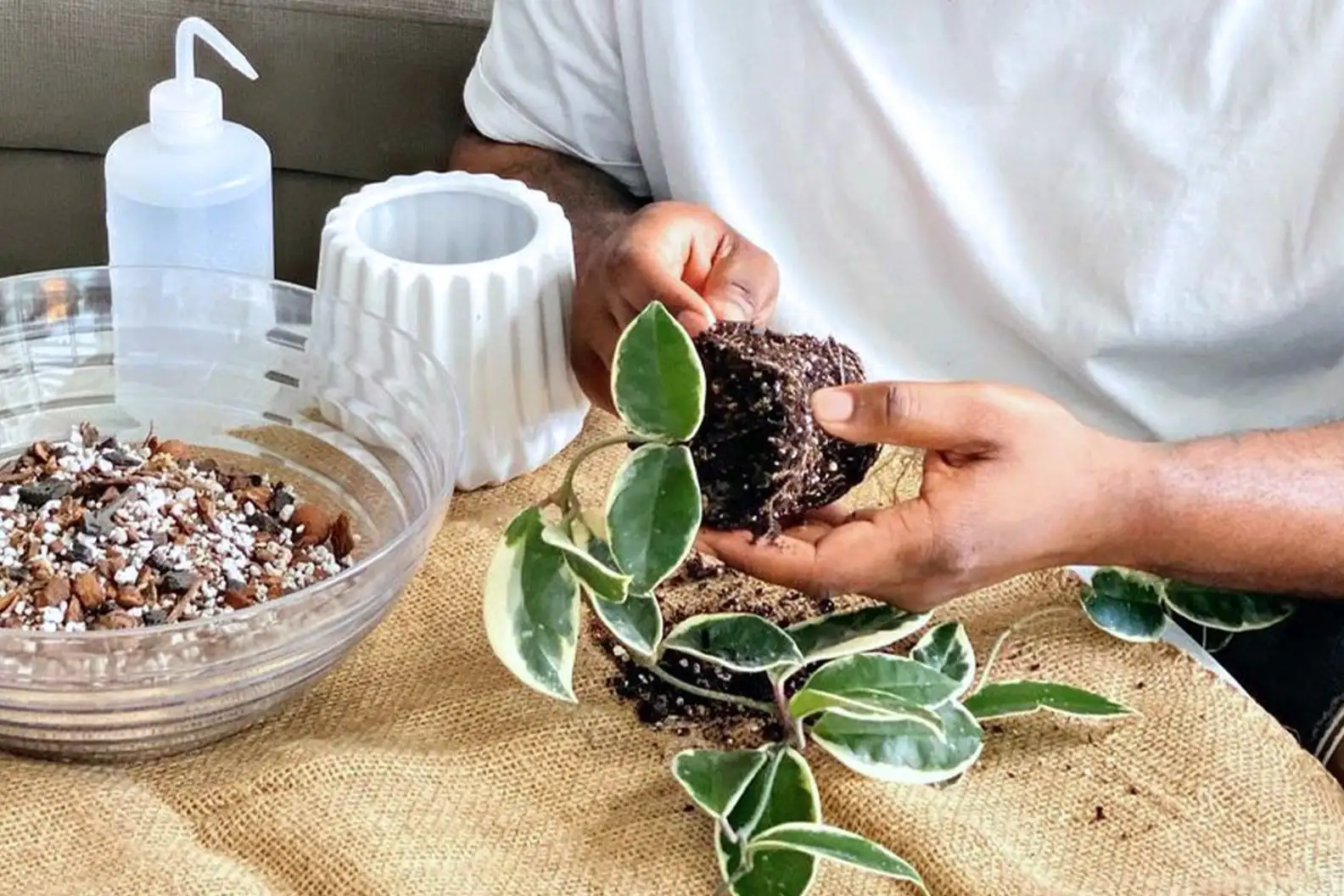
- Improve Drainage and Airflow: Ensure your pots have proper drainage holes and consider using a well-draining soil mix. You might add perlite or pine bark to improve aeration.
- Adjust Watering Habits: Let the top inch of soil dry out between waterings to prevent overwatering.
- Remove Mold: Gently scrape off the moldy layer with a sterilized tool and dispose of it. Ensure your tools are clean to avoid spreading spores.
For Mineral Build-up
- Switch to Distilled Water: Using distilled or rainwater can reduce mineral deposits, as these water sources lack the minerals that cause build-up.
- Flush the Soil: Occasionally, give your soil a good soak and let excess water drain out to flush away salts and minerals.
- Repot if Needed: If the build-up is severe, consider repotting your plant with fresh soil.
Preventive Measures: Keeping White Soil at Bay
- Regular Monitoring: Check your plants weekly to catch early signs of mold or mineral build-up.
- Balanced Fertilization: Avoid over-fertilizing, as excess nutrients can contribute to both mold growth and mineral deposits.
- Optimal Placement: Position houseplants where they receive adequate light and air circulation.
Understanding the causes and solutions for white soil can help you maintain a healthier garden environment. By keeping an eye on your watering practices and ensuring proper air circulation, you can prevent future occurrences and keep your plants thriving. Happy gardening!