
Watering your plants can sometimes feel like an art form. Knowing when and how much to water is crucial to keeping your garden lush and healthy. Understanding soil moisture is key. So, let’s dive into some practical methods for checking soil moisture to ensure you’re watering just right.
Why Soil Moisture Matters
Soil moisture plays a vital role in plant health. Too much water can lead to root rot, while too little can leave your plants parched and struggling. The ideal moisture level varies by plant but generally falls between 20% and 60% for most crops. Monitoring this will help prevent both underwatering and overwatering.
Simple Techniques for Checking Soil Moisture
The Finger Test
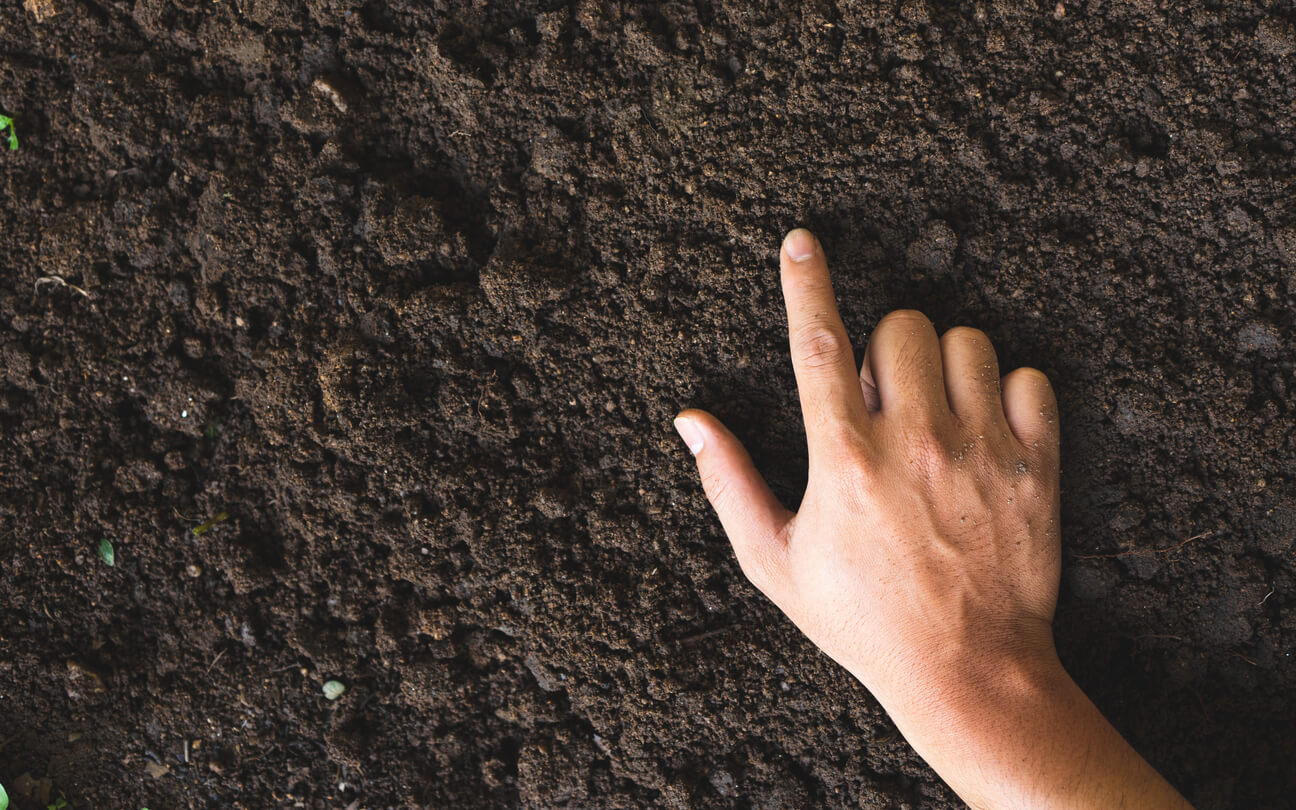
One of the easiest ways to assess soil moisture is by using your finger. Simply stick your finger 1–2 inches into the soil. If the soil feels dry at this depth, it’s time to water. If it feels moist and clings to your finger, your plant is likely content. Keep in mind that some plants, like succulents, prefer to dry out more between waterings.
The Weight Test
For potted plants, checking the weight of the container can be an effective method. Lift the pot to gauge its weight. If it feels light, it’s a sign that the soil has dried out and needs watering. This technique works best when you know the weight of the pot when the soil is dry.
Getting Hands-On: Feel and Appearance
Hand Feel
For garden beds, dig about 6 to 8 inches down and grab a handful of soil. Squeeze it in your hand:
- Too Wet: Water drips out or the soil holds together without crumbling.
- Perfectly Moist: The soil sticks together but crumbles slightly with a few pieces falling off.
- Too Dry: The soil crumbles entirely and doesn’t stick together at all.
This tactile approach gives you a direct sense of the soil’s condition and is ideal for outdoor gardens.
Visual Clues
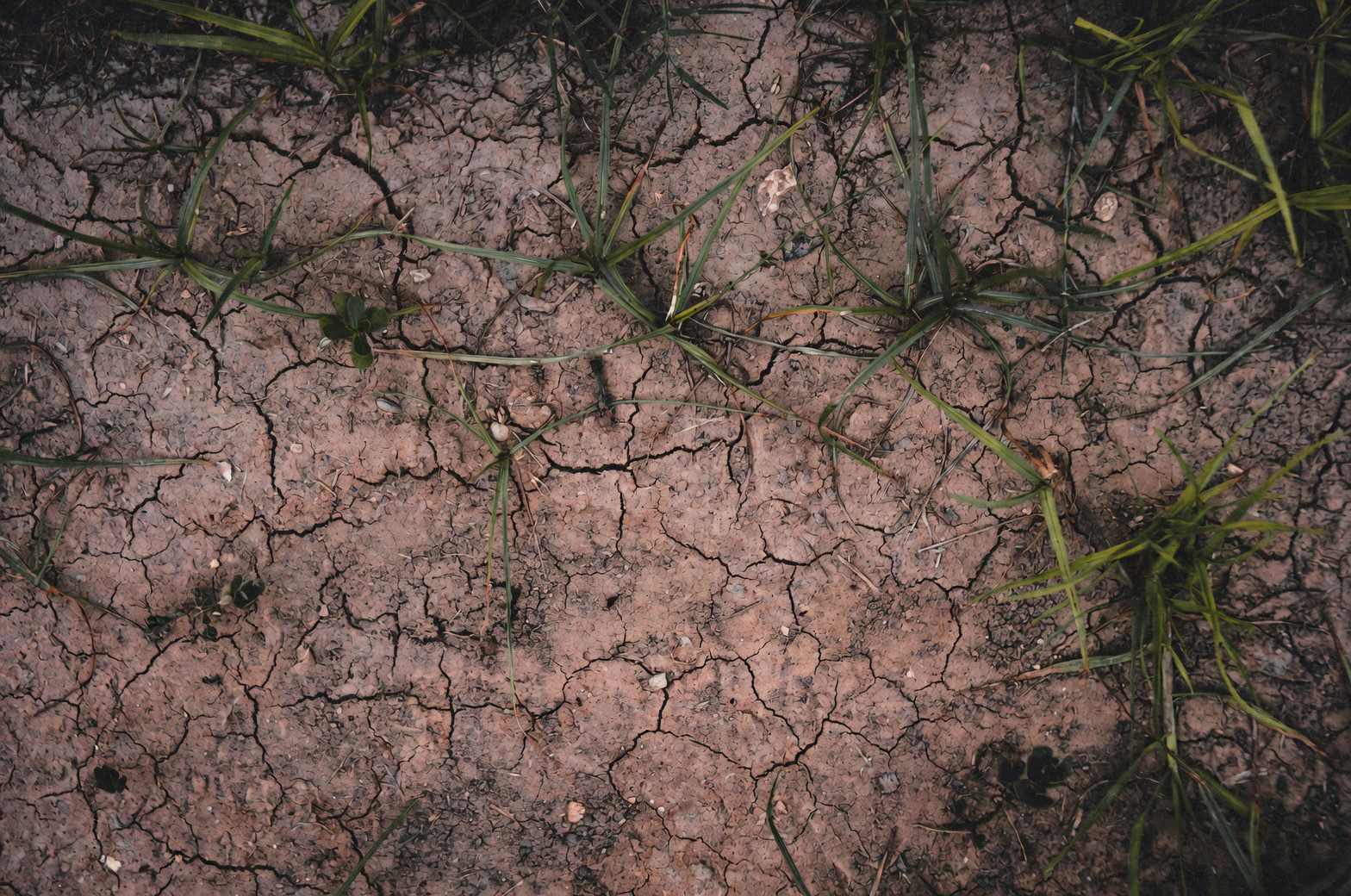
Observe the soil surface. Dry soil often looks light-colored and compacted. In contrast, soil that’s too wet can appear muddy or mossy. Familiarizing yourself with the natural color and texture of your soil type will improve accuracy.
Tools of the Trade
Soil Moisture Meters
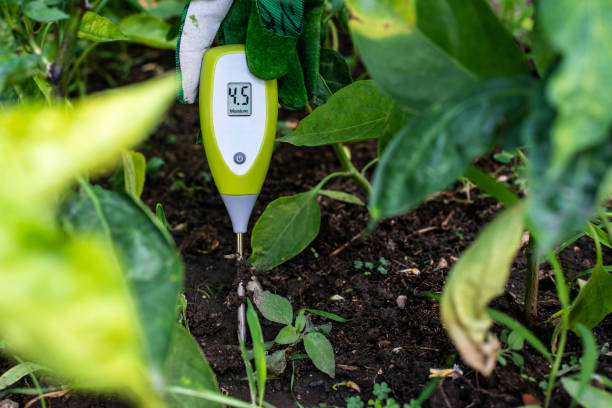
For a more scientific approach, invest in a soil moisture meter. These handy gadgets provide a quick and precise measurement by inserting a probe into the soil. They are particularly useful in larger gardens where manual checks can be time-consuming. Ensure you take readings at different spots for a comprehensive view.
Wooden Dowels or Skewers
Another simple tool is a wooden dowel or skewer. Insert it into the soil; if it comes out clean, the soil is dry. If soil clings to it, there’s moisture present. This method is great for checking deeper moisture levels.
Common Mistakes to Avoid
- Ignoring Soil Type: Different soils retain moisture differently. Sandy soils drain quickly, while clay soils hold moisture longer.
- Overwatering: It’s easier than you think to drown your plants. Always check moisture levels before watering.
- Inconsistent Monitoring: Soil moisture can change rapidly with weather conditions, so regular checks are essential.
By mastering these techniques, you’ll be able to tailor your watering practices to the needs of your plants, ensuring they thrive throughout the seasons. Happy gardening!