

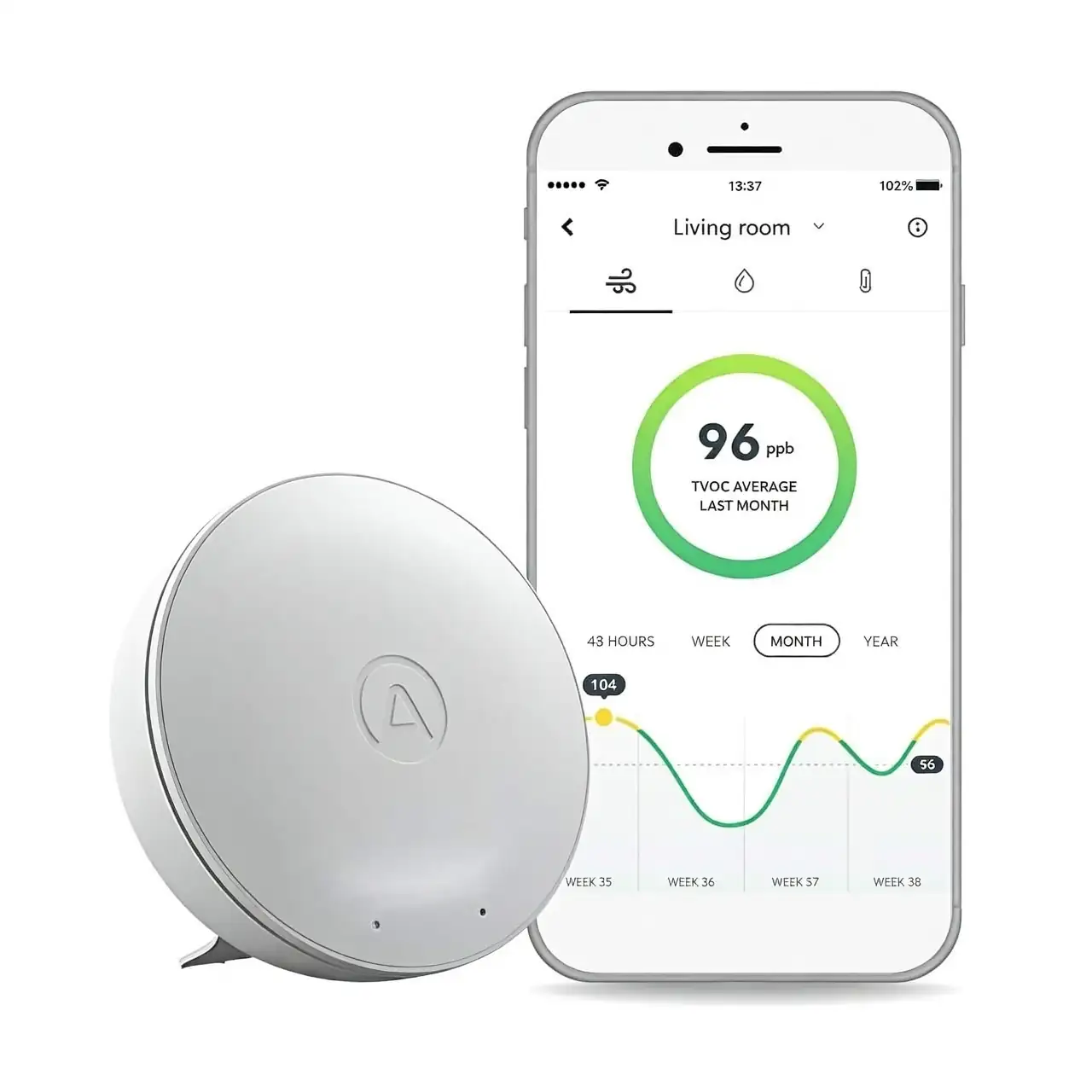
Are you feeling stuffy at home? It’s easy to overlook, but ventilation plays a crucial role in keeping your indoor environment healthy and comfortable. Let’s explore how you can easily improve the airflow in your house and why it’s so important.
Why Ventilation Matters
Proper ventilation ensures that the air you breathe is fresh and clean. Poor airflow can lead to a buildup of moisture, unpleasant odors, and indoor pollutants like dust and volatile organic compounds (VOCs). Over time, these can affect not only your health but also the structural integrity of your home, leading to mold growth and other issues.
Practical Tips for Better Ventilation
1. Let Fresh Air In
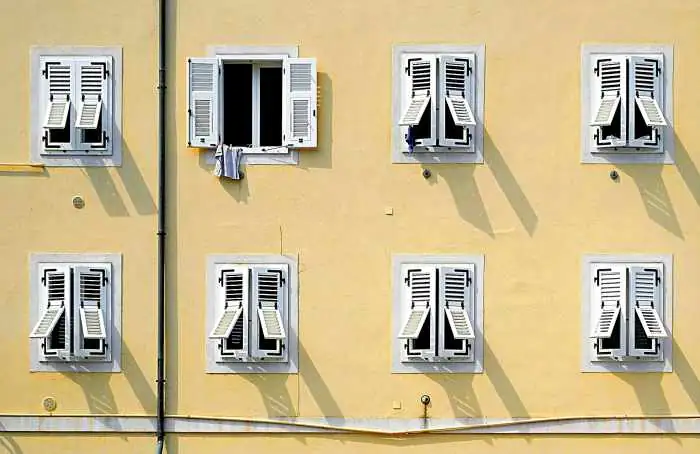
Open Your Windows Wisely: Opening windows is a straightforward way to improve ventilation. Aim to open windows on opposite sides of your home to create a cross breeze. This helps pull fresh air in while pushing stale air out. However, check the outdoor air quality and pollen levels first, especially if you or your family members have allergies. Avoid opening windows on days when the Air Quality Index (AQI) is high.
2. Use Exhaust Fans Effectively
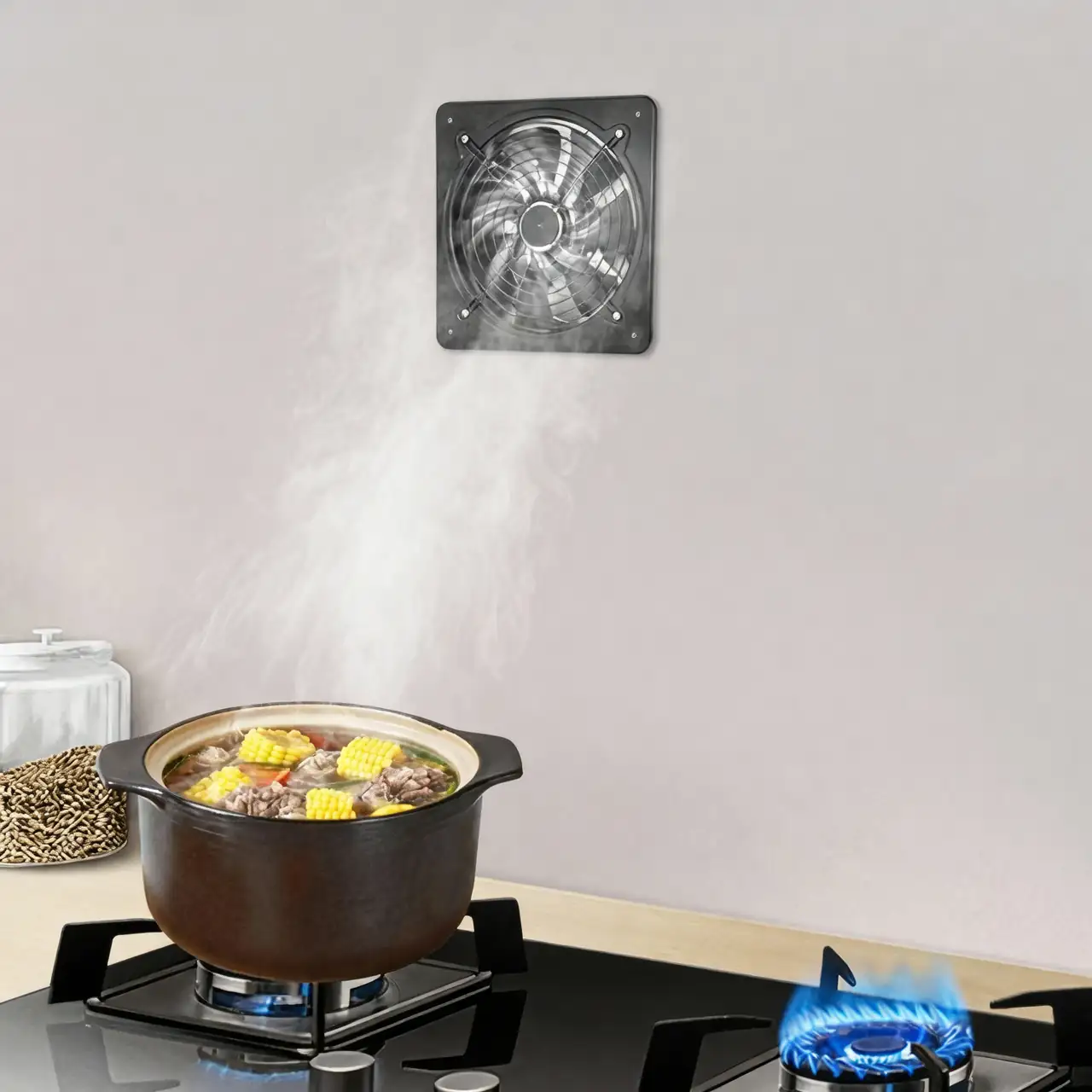
Kitchen and Bathroom Fans: These rooms are notorious for harboring moisture and odors. Whenever you cook or take a shower, make sure to run the exhaust fans. This helps remove steam, smoke, and lingering scents, keeping these spaces fresh and reducing the risk of mold.
3. Consider Air Filtration
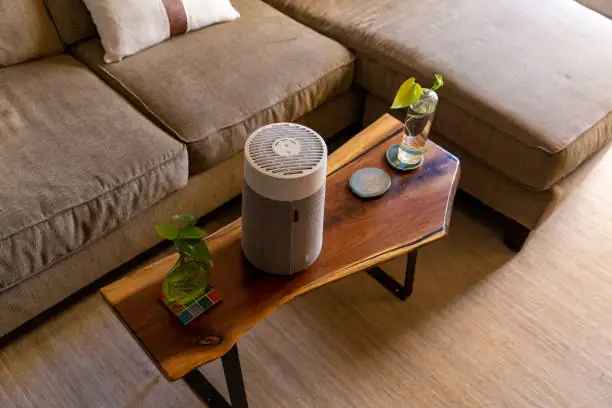
Air Filters and Purifiers: Indoor air can contain invisible particles like pollen and fumes from cleaning supplies. Using air purifiers with HEPA filters can capture these pollutants, making the air cleaner to breathe. Regularly changing filters in your HVAC system is also essential to maintain good air quality.
4. Use Ceiling Fans
Keep Air Moving: Ceiling fans can help circulate air throughout your home. In the summer, set them to spin counterclockwise to create a cool breeze. This not only makes your home more comfortable but also helps distribute fresh air when combined with other ventilation methods.
5. Introduce Indoor Plants
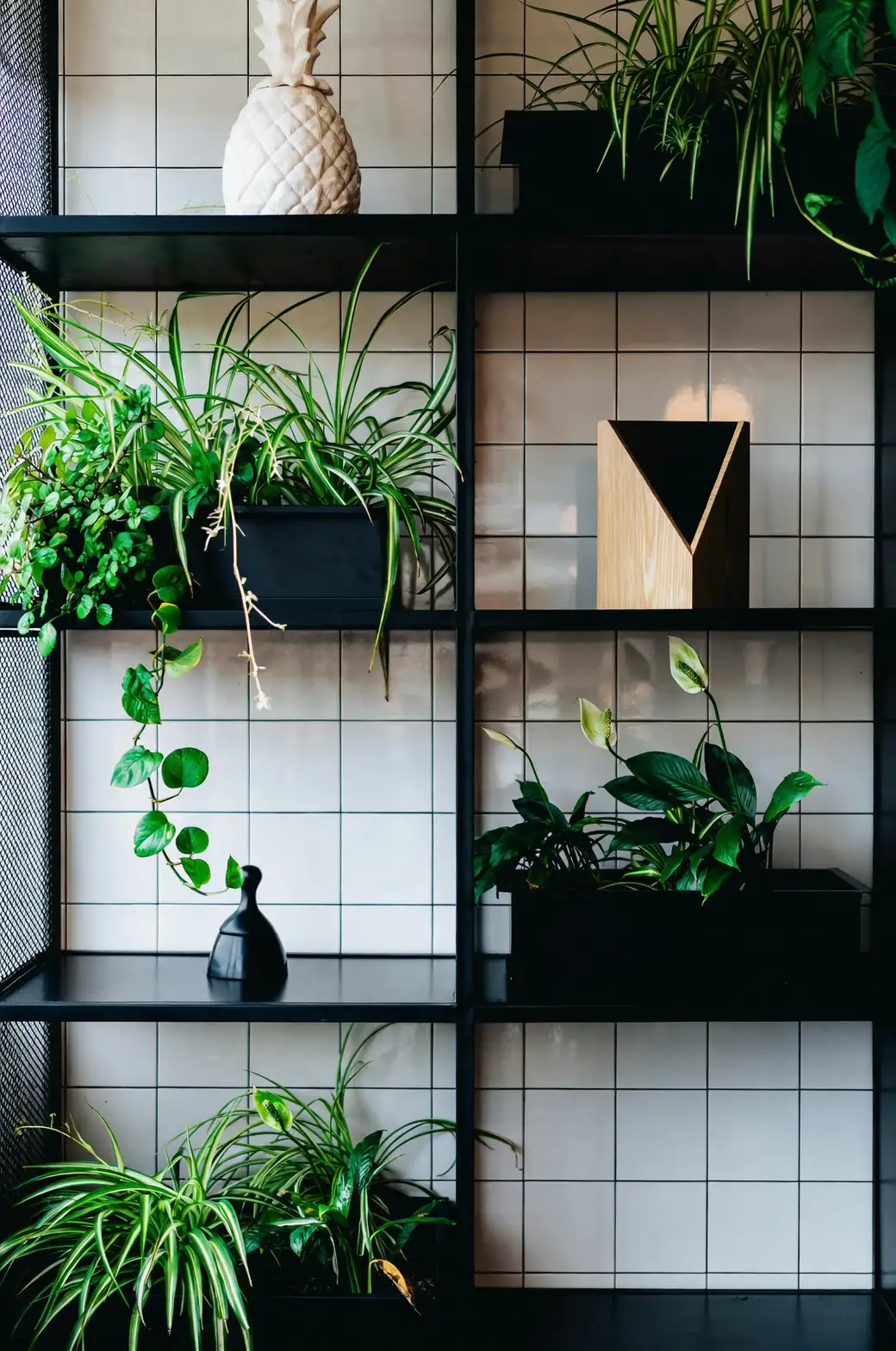
Nature’s Air Purifiers: While not a substitute for mechanical ventilation, certain plants like spider plants and peace lilies can help purify the air by absorbing toxins. They also add a touch of greenery to your space, enhancing both air quality and decor.
6. Address Source Control
Reduce Indoor Pollutants: One of the most effective ways to improve air quality is by minimizing sources of pollution. Ensure gas stoves are well-ventilated, and opt for low-VOC paints and cleaning products. This reduces harmful emissions at the source.
Common Mistakes to Avoid
- Ignoring HVAC Maintenance: Regularly service your heating and cooling systems to ensure they operate efficiently.
- Overlooking Humidity Levels: Keep indoor humidity below 60% to prevent mold growth and dust mites.
- Relying Solely on Natural Ventilation: In some cases, mechanical ventilation might be necessary, especially in well-sealed homes.
By following these practical tips, you can ensure your home stays fresh and comfortable, improving not just your living environment but also your overall well-being. So, open those windows, let the breeze in, and breathe easy!


