

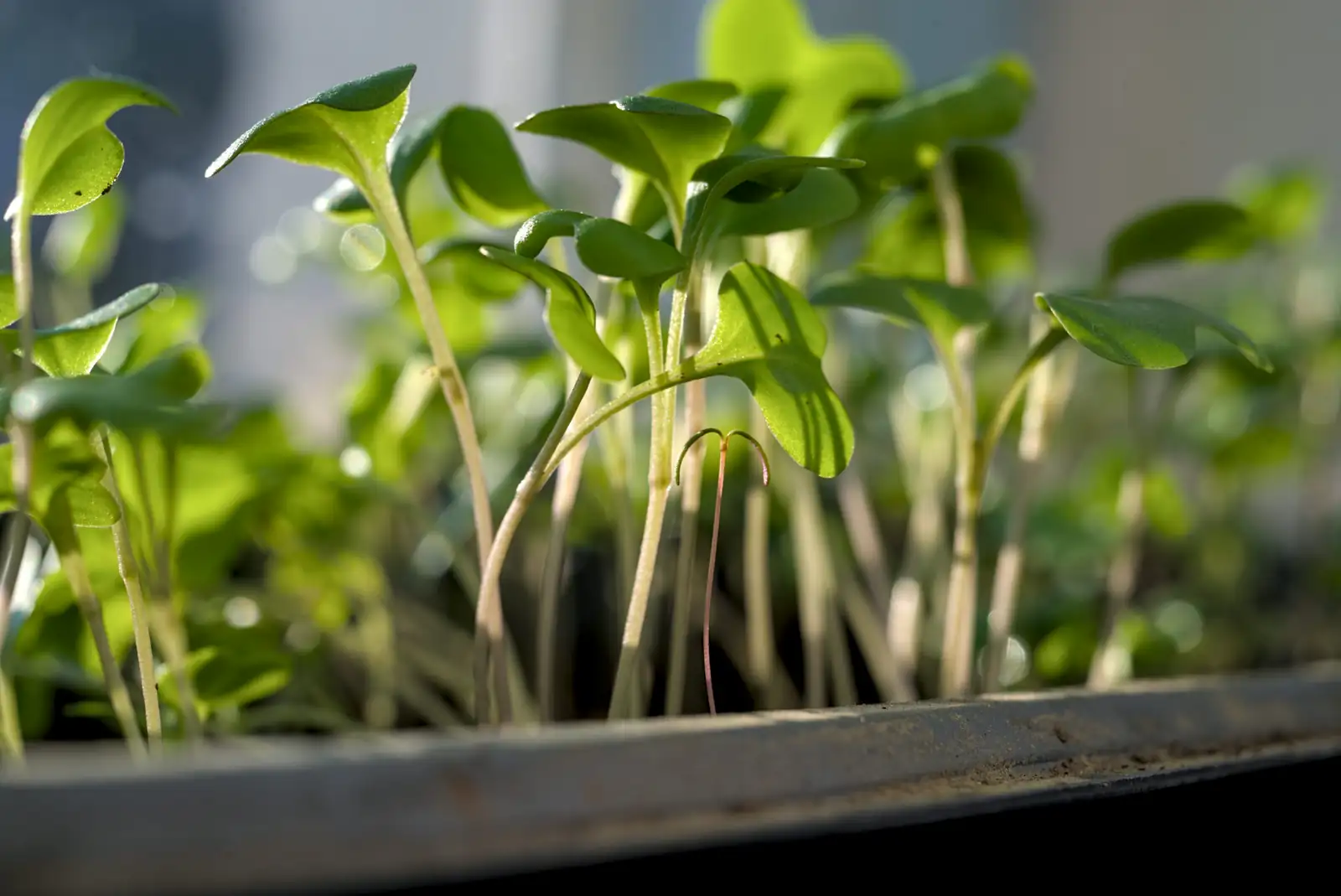
When your indoor plants are feeling a bit under the weather due to lack of sunlight, grow lights can be the superhero they need to thrive. Whether you’re nurturing a tiny succulent on your desk or a sprawling tomato plant in your spare room, the right grow light can make all the difference. Dive into this guide to learn how to choose and use grow lights effectively.
Why Grow Lights?
Many indoor spaces simply don’t get enough natural sunlight for plants to thrive. Enter grow lights—designed to mimic the sun’s spectrum and provide the necessary light for photosynthesis. This means your plants can grow, bloom, and even produce fruit all year round, no matter where they’re located in your home.
Types of Grow Lights
Incandescent Lights
- Pros: Inexpensive and easy to find.
- Cons: Highly inefficient, produce a lot of heat, and not ideal for most plants.
Fluorescent Lights
- Pros: More energy-efficient than incandescent lights and emit less heat. Available in T5, T8 formats.
- Cons: Bulkier and generally less efficient than LEDs.
LED Lights
- Pros: The most energy-efficient, long-lasting (up to 50,000 hours), and provide a full spectrum of light.
- Cons: Higher upfront cost but cheaper in the long run due to durability and energy savings.
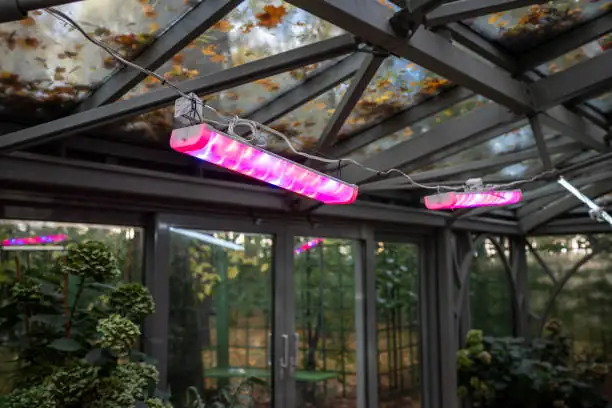
T5 Lights
- Perfect for: Seedlings and small plants.
- Why T5?: T5 refers to the tubular shape and diameter (⅝ inch) of these lights, which come in both LED and fluorescent versions. T5 LED is superior in energy efficiency and longevity.
Picking the Right Light for Your Plants
- Determine Your Plant’s Needs: Different plants have different light requirements. For instance, succulents and cacti thrive under strong, direct light, while ferns prefer indirect light.
- Choose the Right Spectrum: Most plants benefit from a full spectrum light that mimics natural sunlight. If you’re focusing on flowering or fruiting plants, look for lights that also offer red and blue spectrums.
- Mind the Distance: Position your grow light 6-24 inches above plants, depending on the light type and plant’s needs. Too close, and you risk burning the plant; too far, and the light may not be effective.
Setting Up Your Grow Lights
- Location: Place lights in areas with minimal natural light like basements or rooms without windows.
- Fixtures: Use fixtures that accommodate your bulb type. For instance, an E26 screw-in bulb fits standard lamp sockets, making it a versatile choice.
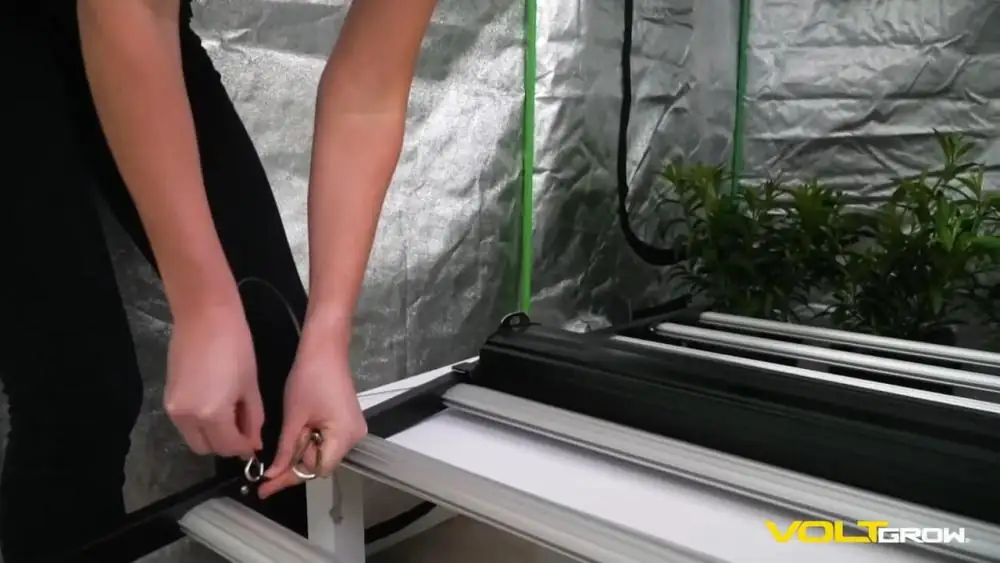
- Mounting Options: Grow lights can be hung from ceilings, attached to walls, or even placed on shelves. Ensure they are securely mounted and can be adjusted as plants grow.
Common Mistakes to Avoid
- Overexposure: More light isn’t always better. Too much can stress plants, leading to leaf burn.
- Ignoring Heat: While LEDs are cooler, other types can emit significant heat. Ensure adequate ventilation to prevent overheating.
- Wrong Bulb Type: Using the wrong spectrum or inefficient bulbs can hinder growth. Always check the light spectrum and energy efficiency.
Final Thoughts
Investing in a good grow light is a step towards healthier plants and a more vibrant indoor garden. Remember, it’s not just about picking any light but choosing the right one for your specific needs. With the right setup, you can enjoy a lush, green oasis indoors, no matter the season or sunlight availability.


