

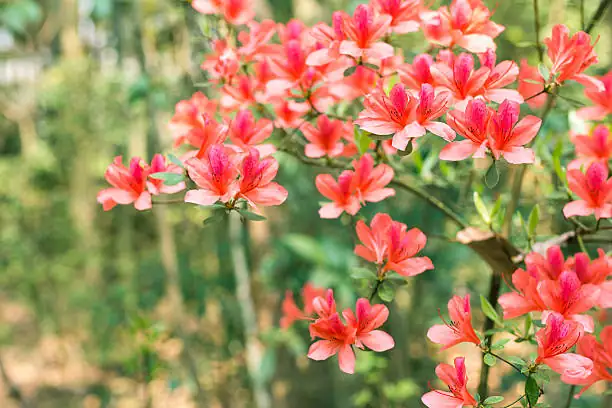
The Journey of Azaleas: From Wild Beauty to Indoor Elegance
With a splash of vibrant color and a hint of elegance, Rhododendron simsii, commonly known as the Azalea, has journeyed from the wild landscapes of East Asia to become a beloved ornamental fixture in homes worldwide. But how did these once-wild shrubs transform into the quintessential indoor plants we cherish today?
Historical Roots in Eastern Asia
Azaleas, specifically Rhododendron simsii, hail from the rugged terrains of East Asia, thriving in the cool, misty mountainous regions of southern China, Vietnam, and Thailand. These native environments, characterized by high humidity and acidic soils, laid the perfect foundation for the azalea’s unique growth habits. Historically, they’ve been celebrated in Chinese gardens, where their lush blooms symbolize the arrival of spring and the promise of renewal.
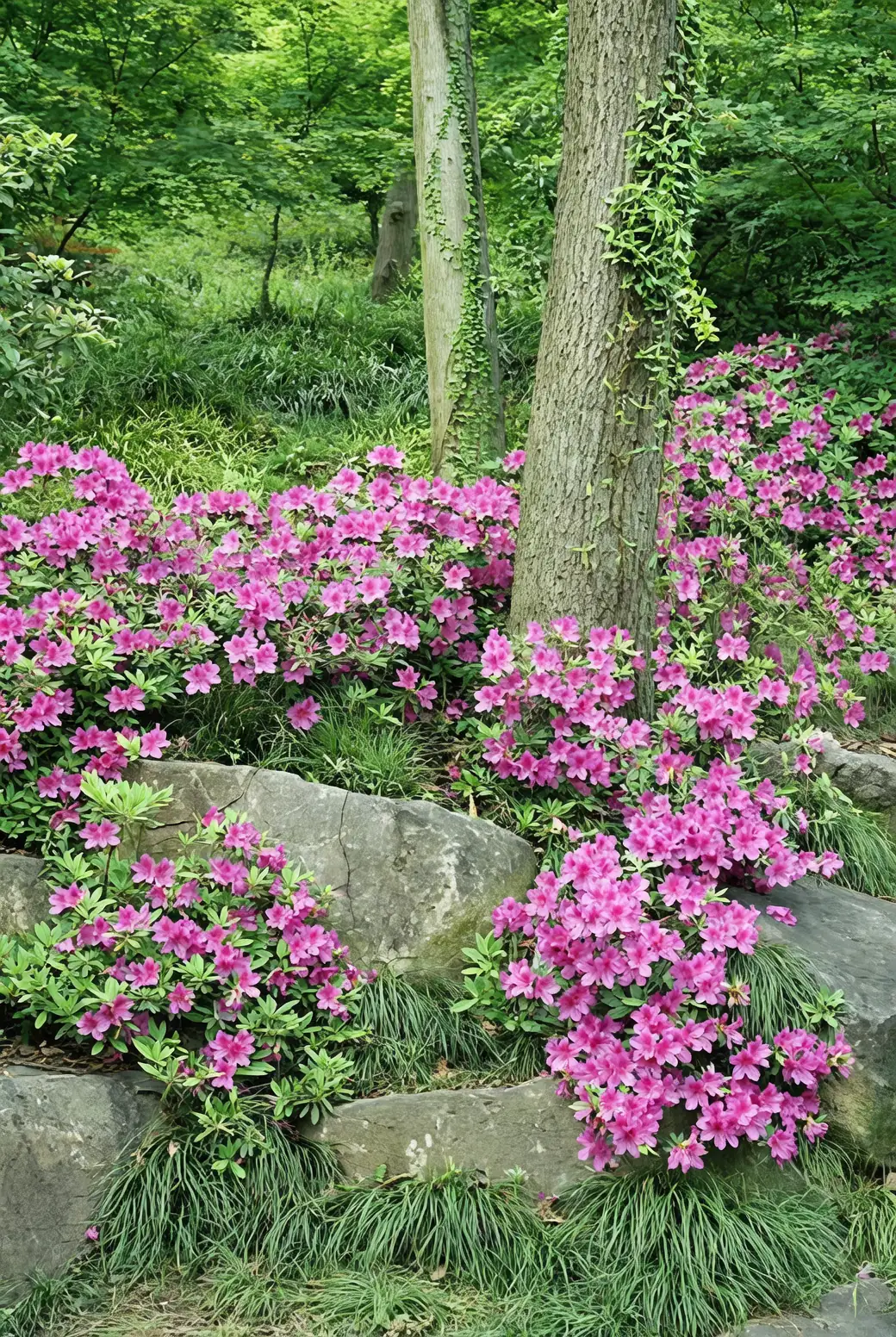
The plant’s scientific journey began in the mid-19th century with the taxonomic classification by Planchon, commemorating botanical editor John Sims. Over time, the species evolved from its wild form to become a central player in horticultural circles, celebrated for its adaptability and striking appearance.
The Evolution into a Cultivated Favorite
Azaleas, part of the Rhododendron genus, are not just a single species but a diverse group of plants that range from small shrubs to towering trees. What distinguishes the florist’s azalea, or Rhododendron simsii, is its compact, bushy form, making it ideal for indoor cultivation. This adaptability is owed to selective breeding efforts aimed at enhancing traits such as bloom size, color variety, and ease of care.
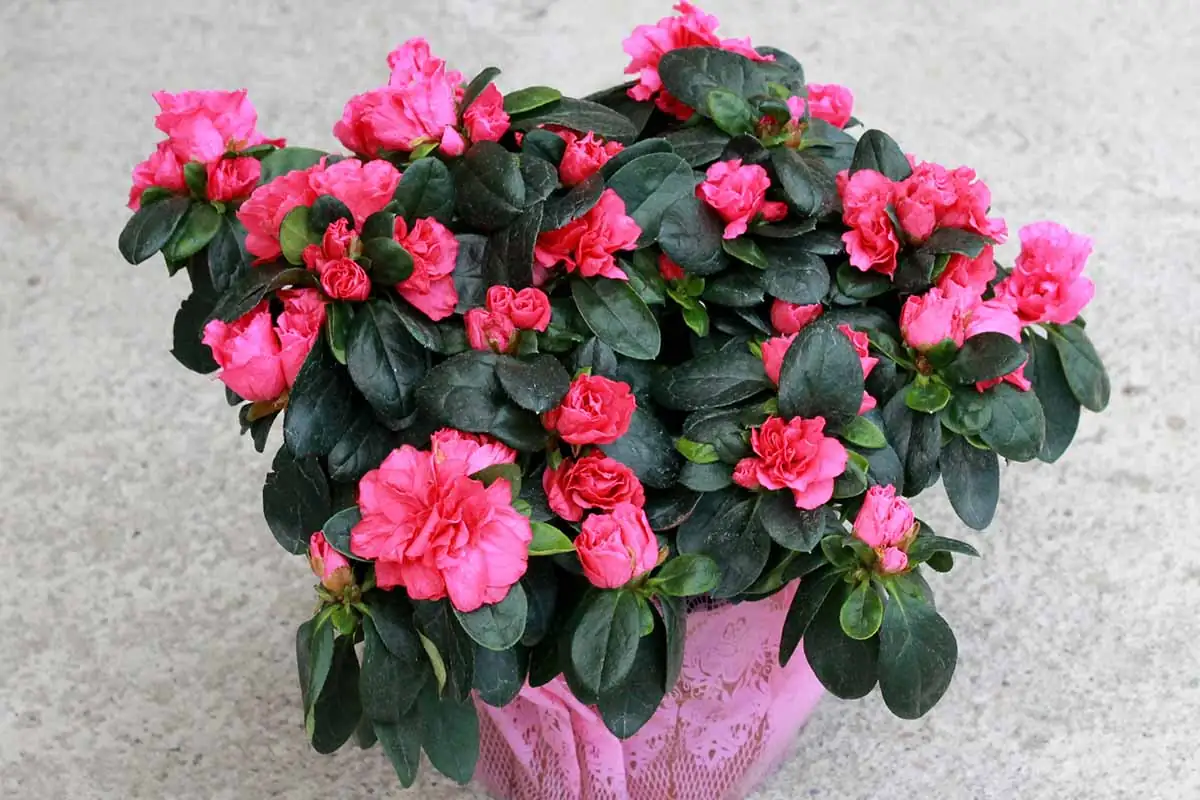
An Indoor Plant with a Springtime Spirit
Imagine bringing a piece of spring into your living room. The florist’s azalea does just that, with its deep green, glossy leaves providing a backdrop to clusters of pink, red, and white blooms. These flowers are not just a visual treat but also a testament to the plant’s resilience and adaptability.
To cultivate these vibrant blooms indoors, azaleas prefer bright, indirect light and cool temperatures, ideally between 10–24°C (50–75°F). This preference for cooler conditions is a nod to their mountainous origins and a key factor in extending their blooming period indoors.
Care and Cultivation: A Gardener’s Delight
Despite their delicate appearance, azaleas are surprisingly robust when their basic needs are met:
- Light and Temperature: Azaleas thrive in bright but indirect light, avoiding the harshness of midday sun. Cooler temperatures will help prolong the flowering period.
- Water and Humidity: Keeping the soil consistently moist (but not waterlogged) is crucial. Rainwater or distilled water is preferred to prevent the soil from becoming too alkaline, which can lead to yellowing leaves.
- Soil and Fertilization: These plants love acidic, well-drained soil. A monthly feed with an acid-forming fertilizer during the growing season can boost health and blooms.
- Pruning and Repotting: Prune after the flowering season to maintain shape and encourage bushiness. Repot every 2-3 years into fresh ericaceous compost to avoid becoming root-bound.

Symbolism and Cultural Significance
In the language of flowers, azaleas whisper a gentle reminder of temperance and care. They symbolize spring’s joy and renewal, a welcome burst of life after the dormancy of winter. In many Asian cultures, the azalea is a symbol of femininity and abundance, often associated with elegance and the delicate balance of beauty and caution.
Azaleas in Modern Times
Today, azaleas are more than just a pretty face. With tens of thousands of cultivars, they serve not only as ornamental treasures but also as part of environmental management strategies, such as erosion control. However, it’s essential to remember their toxicity; all parts of the plant contain grayanotoxins, making them hazardous to pets and people if ingested.
Fun Facts to Bloom Your Interest
- The term “azalea” is a gardener’s delight, yet botanically, these plants belong to the Rhododendron genus.
- Cool temperatures can make an azalea bloom last for weeks indoors—a simple trick for prolonged enjoyment.
- Rhododendron diversity is staggering, ranging from tiny alpine shrubs to tree-sized giants.
As we admire the azaleas in our homes, let’s appreciate their rich history and the journey they’ve made from the wild hillsides of East Asia to our living rooms. With a bit of care and understanding, these plants can continue to symbolize the beauty and renewal of spring, right in our own homes.


