

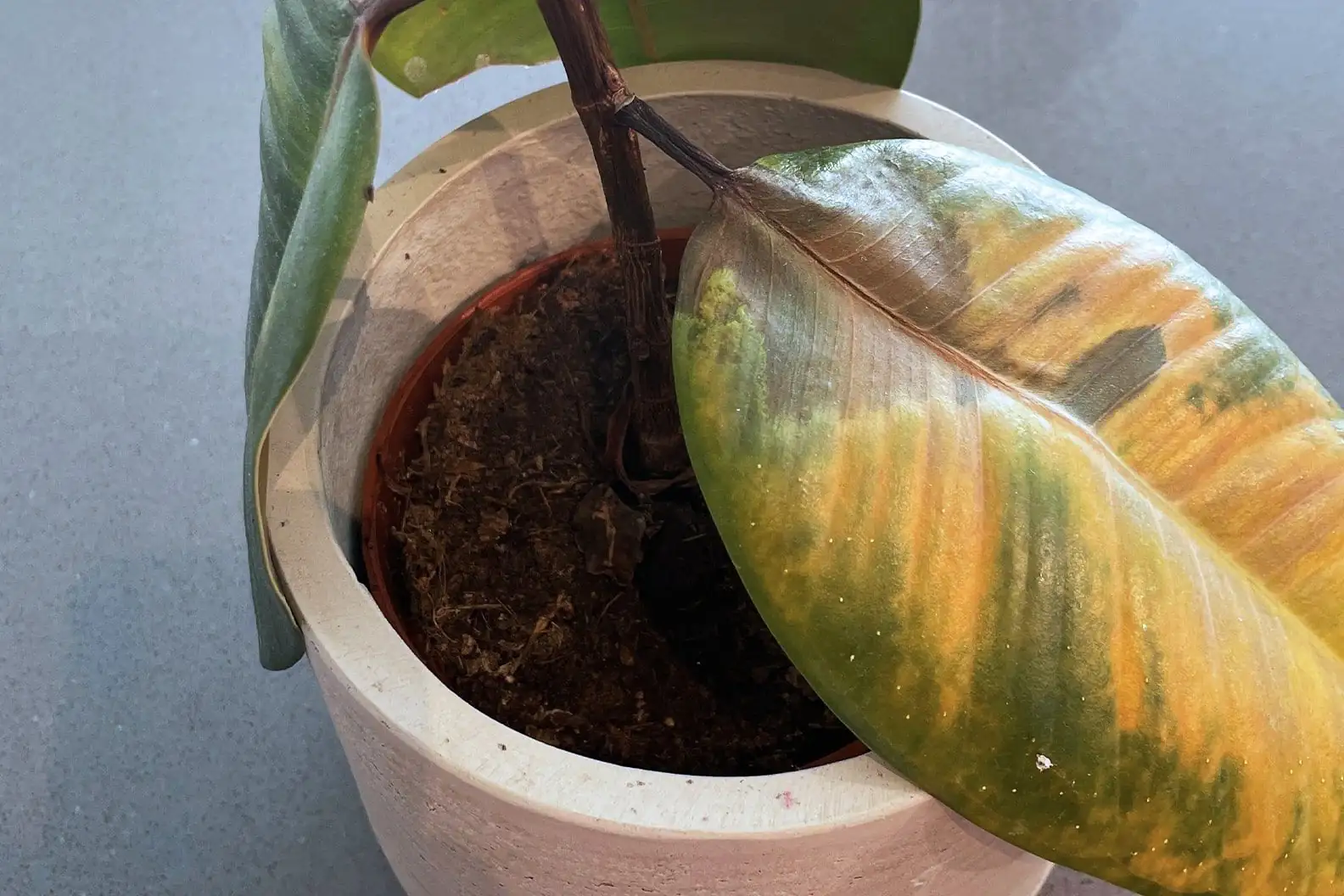
You’ve started your gardening journey full of enthusiasm, eagerly watering your leafy friends every chance you get. After all, they need water to survive, right? But here’s the kicker: too much water can actually spell doom for your beloved plants. Let’s dive into why overwatering can be a silent killer in your garden and how you can avoid this common pitfall.
The Airy Tale of Roots and Oxygen
Plants, much like us, need to breathe. While they absorb carbon dioxide through their leaves, their roots require oxygen from the soil to stay healthy and function properly. Picture the soil like a sponge, filled with tiny air pockets. When you overwater, these pockets get flooded, and the roots are effectively cut off from their much-needed oxygen supply. Without oxygen, roots can’t perform their essential functions, leaving your plant gasping for air.
The Dreaded Root Rot
One of the most sinister consequences of overwatering is root rot. This happens when roots sit in waterlogged soil for too long, creating the perfect breeding ground for fungi like phytophthora, pythium, and rhizoctonia. These fungi cause the roots to decay, turning them from healthy white strands into mushy, brown remnants. Once root rot sets in, the plant’s ability to absorb water and nutrients is severely compromised, often leading to its untimely demise.
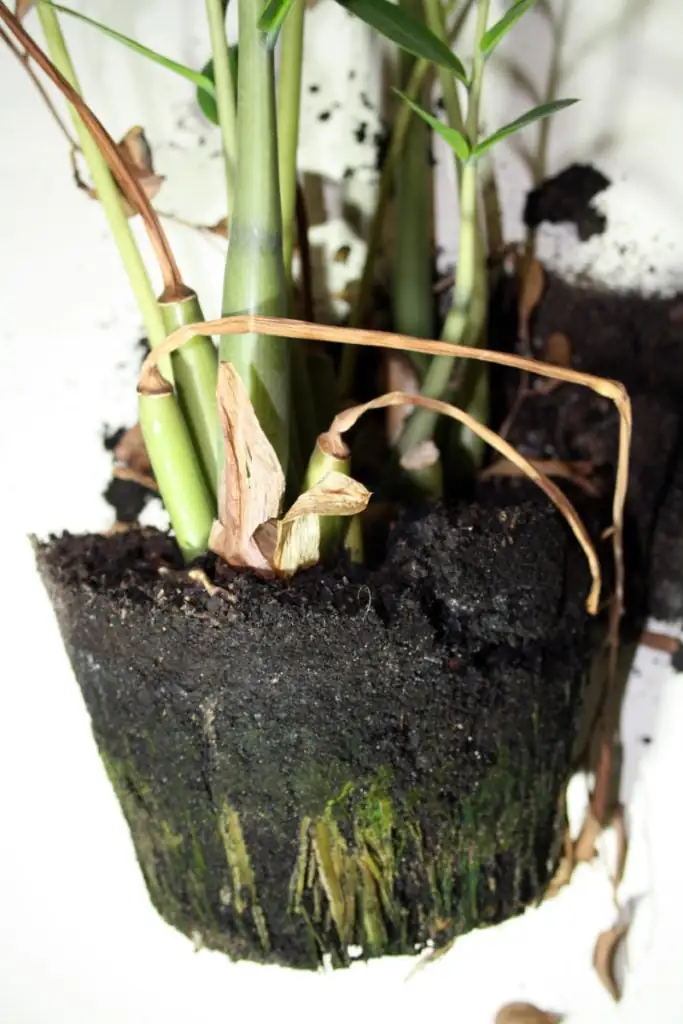
Quick Tip: Check before you water! Stick your finger about an inch into the soil. If it feels dry, it’s time for a drink. If it’s still moist, give it a day or two before checking again.
The Irony of Water Deprivation
Here’s an irony to wrap your head around: overwatering can actually deprive your plant of water. How’s that, you ask? Well, the root hairs, which are crucial for absorbing water and nutrients, can be damaged by excessive moisture. When these root hairs die, the plant loses its ability to take in water, leading to symptoms that mimic underwatering, like wilting leaves and dry soil.

Nutrient Washout
Overwatering doesn’t just drown roots; it can also wash away essential nutrients from the soil. This means that even if your plant survives the flood, it might still suffer from nutrient deficiencies. You might notice yellowing leaves, stunted growth, or even leaf drop as your plant struggles to find the nourishment it needs.
Quick Fix: If you suspect overwatering, let the soil dry out completely. You can also improve drainage by adding perlite or sand to your potting mix.
How to Water Wisely
The key to healthy plants is balanced watering. Here are some golden rules to help you find that sweet spot:
- Know Your Plant: Some plants, like succulents and cacti, prefer drier conditions, while others, like ferns, thrive with more moisture. Tailor your watering habits to suit their needs.
- Drainage is Crucial: Ensure your pots have drainage holes. This allows excess water to escape and prevents water from pooling at the bottom.
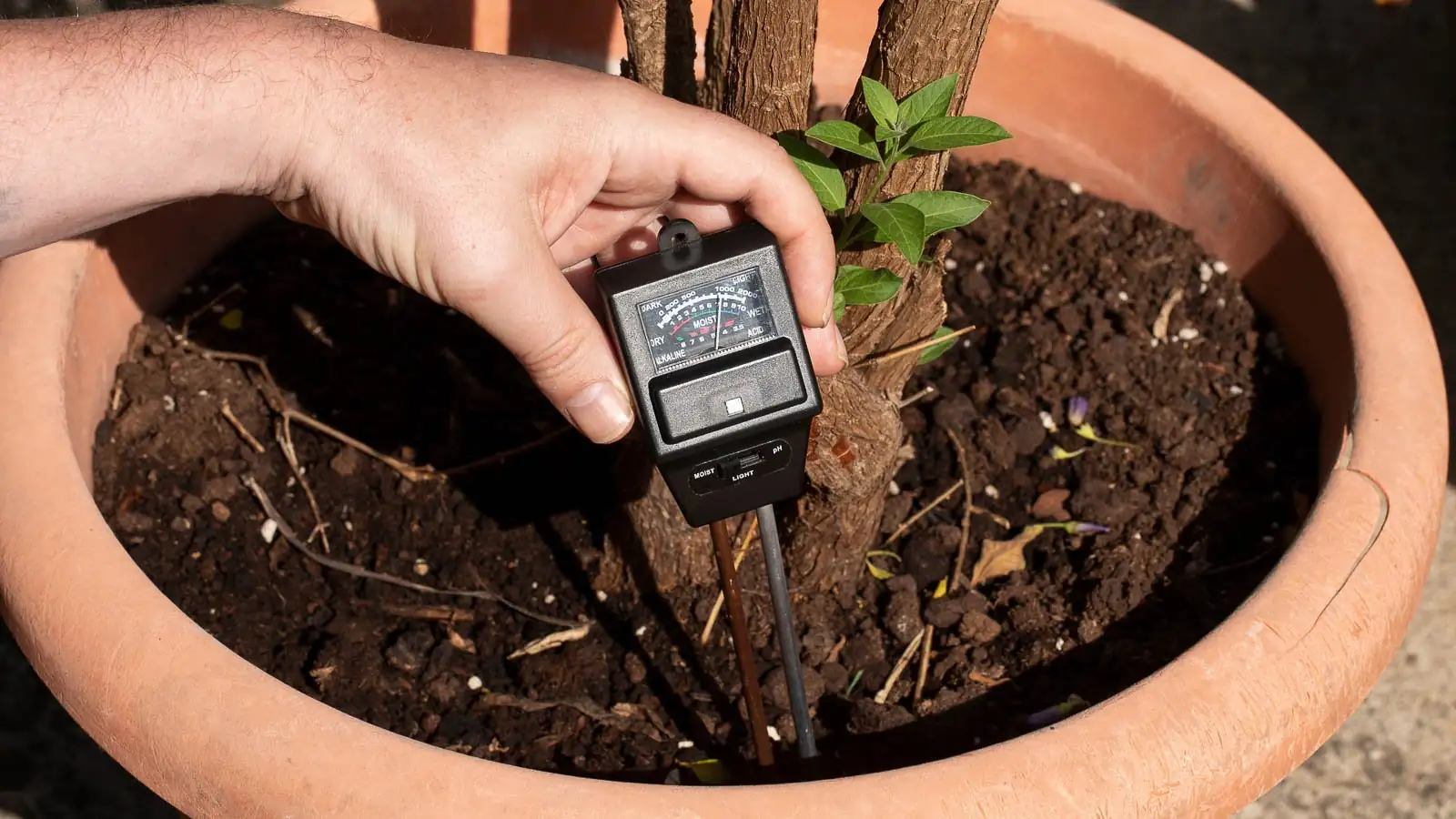
- Use a Moisture Meter: For the gadget lovers out there, a moisture meter can be a handy tool to accurately gauge the soil’s moisture level.
In the end, remember that a little bit of restraint can go a long way in keeping your plants alive and thriving. So next time you reach for the watering can, take a moment to ponder whether your plant really needs that extra drink. Your leafy companions will thank you for it!


