

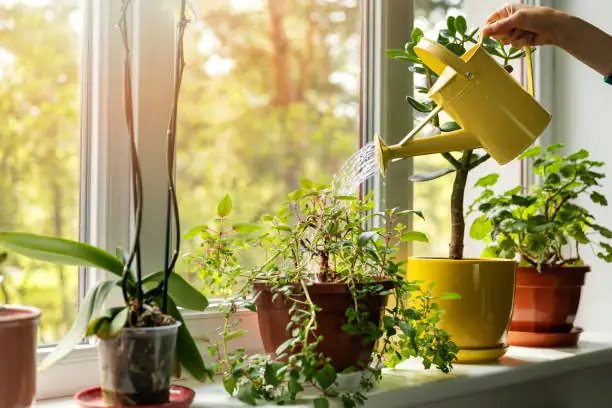
When it comes to watering and fertilizing your indoor plants, a one-size-fits-all approach just won’t do. Just like the plants in your garden, your houseplants experience seasonal changes, and their care routine should adjust accordingly. Here’s a seasonal guide to ensure your green friends are thriving all year round.
Spring: Wake-Up Call for Your Plants
As spring arrives and the days get longer, your houseplants will begin to wake from their winter dormancy. You’ll notice new growth as they respond to increasing light levels. This is your cue to start watering more frequently. For moisture-loving plants like ferns, aim for a weekly watering schedule. For more drought-tolerant plants like succulents, every two weeks should suffice.
Spring is also the perfect time to start fertilizing. Use a water-soluble houseplant fertilizer once a month to give your plants the nutrients they need to develop healthy foliage and strong roots.
Summer: Growth Spree Alert!
During summer, your plants are in full growth mode thanks to the abundant sunlight. This means they’ll be thirsty more often. Check the soil moisture regularly, especially if your plants are near sunny windows. For many plants, watering once a week is a good starting point, but always adjust based on soil dryness—if it feels dry two inches down, it’s time to water.
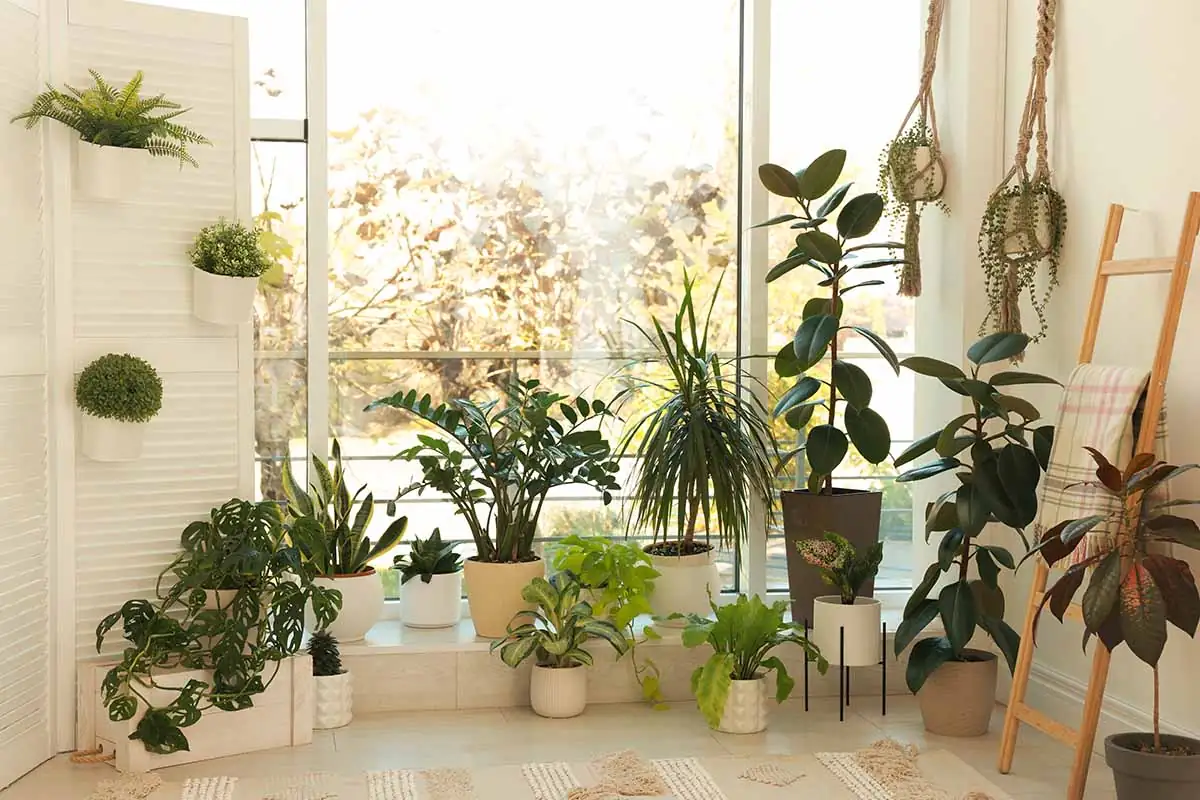
Continue your monthly fertilizing routine to support their energetic growth. Just be cautious not to over-fertilize, as it can cause leaf burn.
Fall: Transitioning to Dormancy
As fall rolls in, light levels decrease, and your plants start preparing for their rest period. Begin to ease off on watering. For instance, if you’ve been watering a philodendron weekly in the summer, scale back to every 10–14 days. For succulents, you might stretch that to once a month.
It’s also time to halt fertilizing. Adding fertilizer in fall can confuse your plants, pushing them to grow when they should be conserving energy. Let them rest, and resume fertilizing when spring returns.
Winter: Rest and Recharge
In winter, your plants enter a dormancy phase, slowing their growth to conserve energy. This is when overwatering is a common mistake, as plants require much less moisture. Watering every 10–14 days for most plants is a safe bet, but always check the soil moisture first. For plants like cacti and snake plants, watering once every 3–4 weeks is usually sufficient.
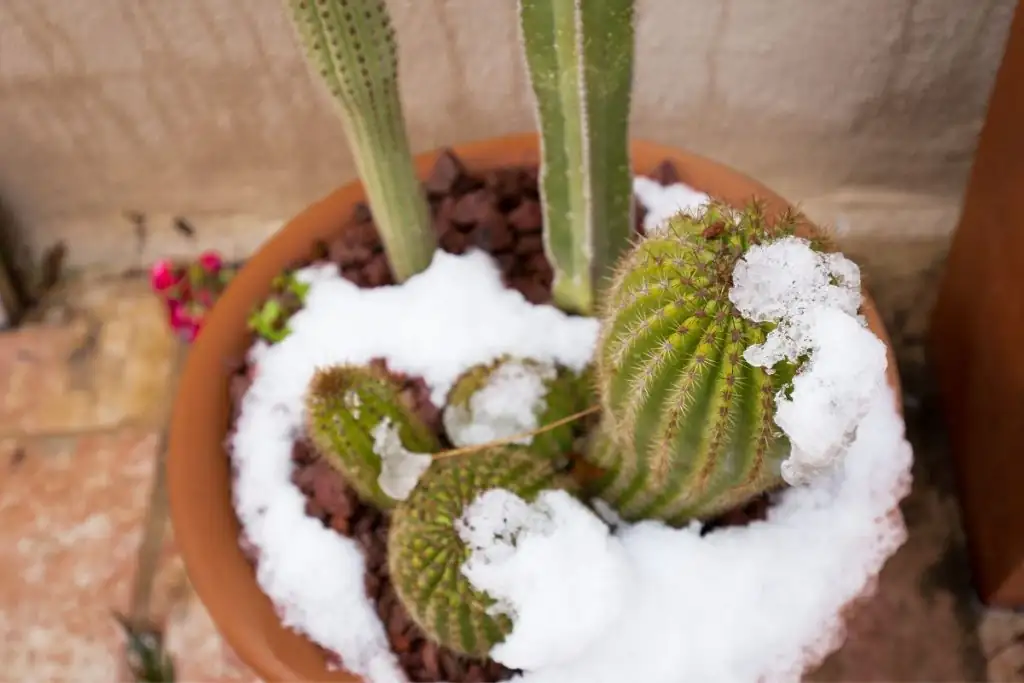
Avoid fertilizing during these months. Your plants are resting, and they don’t need extra nutrients until they start to grow again in spring.
General Tips for Watering and Fertilizing
- Check Soil Moisture: Always feel the soil before watering. If the top two inches are dry, it’s time to water.
- Be Plant-Specific: Different plants have different needs. Research your plant species to understand their specific requirements.
- Avoid Overwatering: This is the most common mistake. Overwatering can lead to root rot, so err on the side of under-watering if you’re unsure.
- Fertilizer Timing: Don’t fertilize during the dormant period (roughly October to February).
By adjusting your care routine to the seasons, you’ll ensure your indoor garden not only survives but thrives. Happy growing!


