

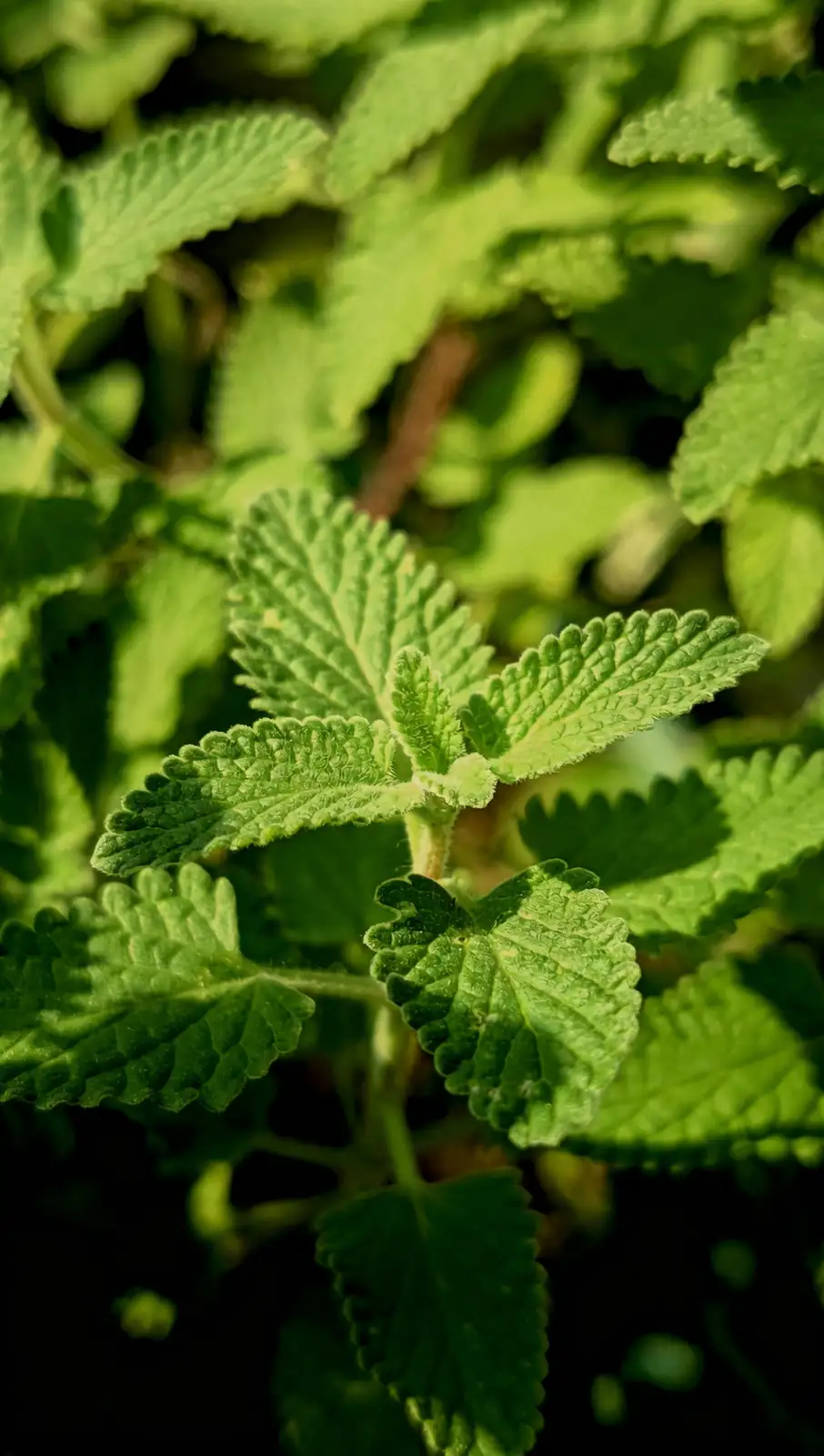
Ever wander through your garden and notice that some of your plant leaves are sporting new shades? Before you panic, know that your plants are communicating with you through these color changes. Let’s dive into what these leaf colors mean and how you can keep your green friends happy and healthy.
The Green Standard: Healthy and Thriving
A vibrant, green leaf is typically a sign of a healthy plant, thanks to chlorophyll, which plays a crucial role in photosynthesis. Plants with lush, green foliage are generally getting the right balance of sunlight, water, and nutrients.
Common Missteps:
- Over-fertilizing: This can lead to overly bright green leaves, which might seem healthy but could indicate that the plant is being pushed too hard. Balance is key.
- Shady Situations: Even shade-loving plants need some sunlight. Make sure your plants are getting the right light levels for their species.
Yellow Leaves: A Cry for Nutrients or Water Adjustments
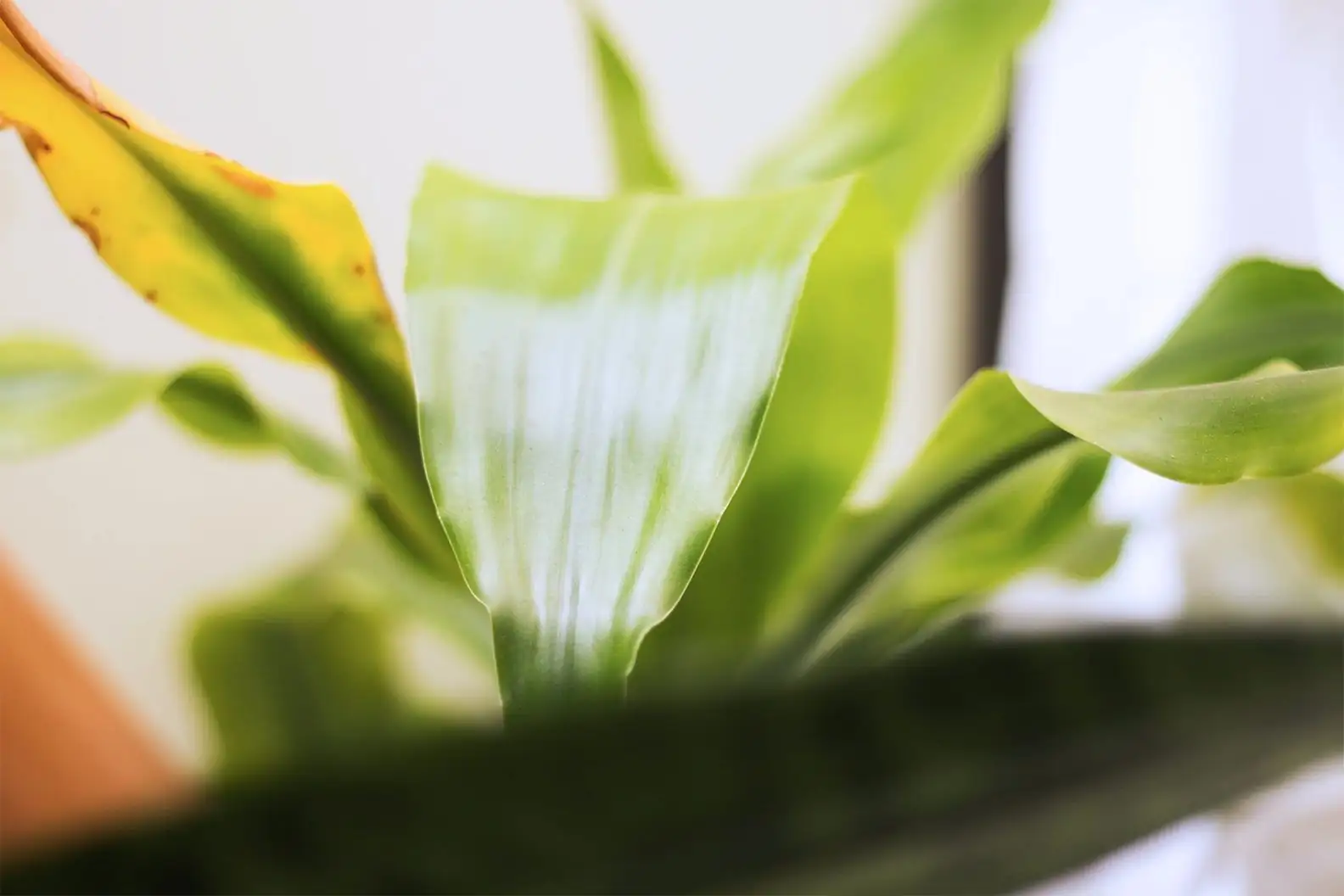
Yellowing leaves can be a bit of a mystery because they often indicate multiple issues. Here’s how to decode the yellow:
- Older Leaves Turning Yellow: This is usually natural aging and nothing to worry about. If it’s happening to new growth, it’s likely a nitrogen deficiency. Try adding a balanced fertilizer.
- Yellow with Green Veins: This signals an iron deficiency. Often, the soil is too alkaline, preventing the plant from absorbing iron. You can adjust the soil pH or add chelated iron supplements.
Quick Fixes:
- Check Soil Moisture: Stick your finger into the soil. If it’s dry, your plant might be thirsty. If it’s wet and the leaves are yellowing, you might be overwatering.
Brown and Crispy Edges: The Water Dilemma
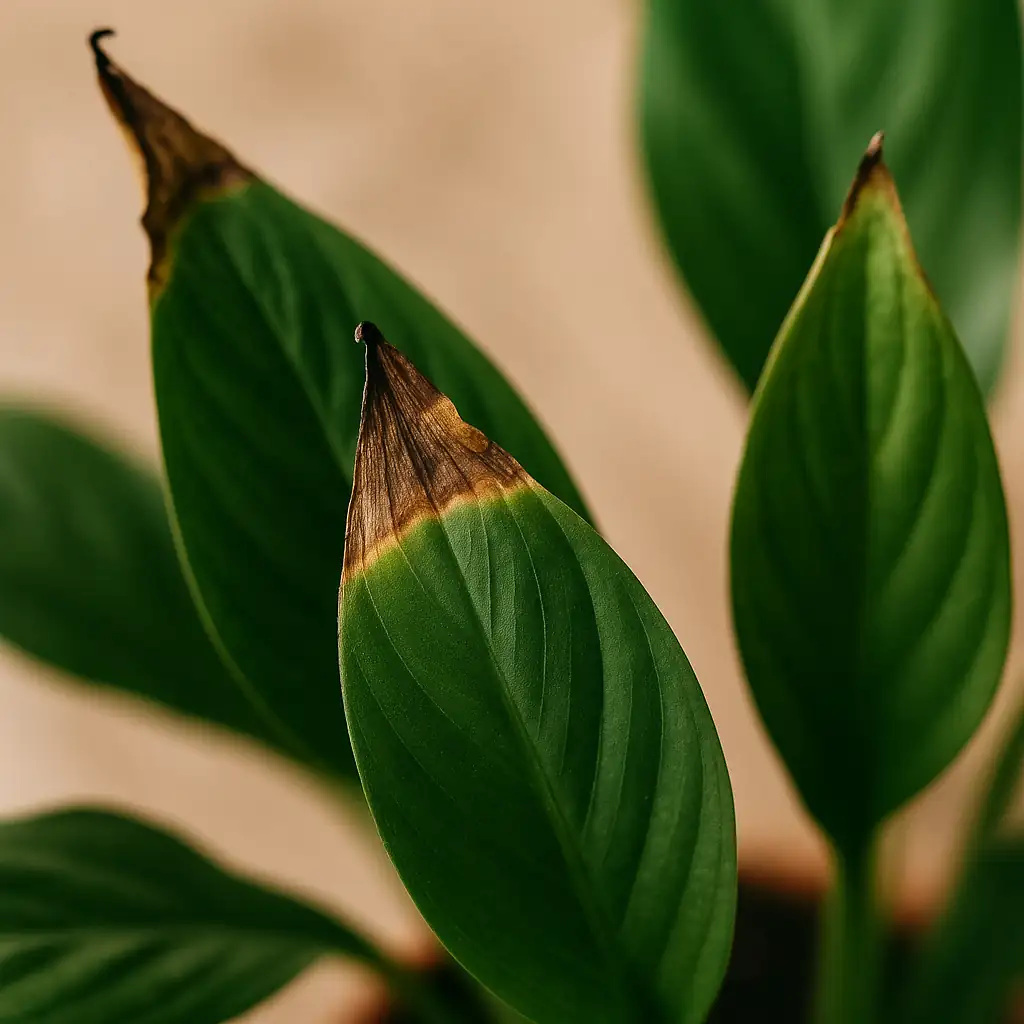
Brown edges often result from watering issues. Too little or too much water can cause stress:
- Too Little Water: The leaves become dry and crispy. Increase your watering frequency, but make sure the soil drains well.
- Too Much Water: This can suffocate roots, leading to brown tips. Reduce watering and ensure proper drainage.
Pro Tip:
- Use a moisture meter to gauge the soil’s dampness, especially for houseplants. It can save you from the guessing game.
Purples and Reds: Pretty but Stressful
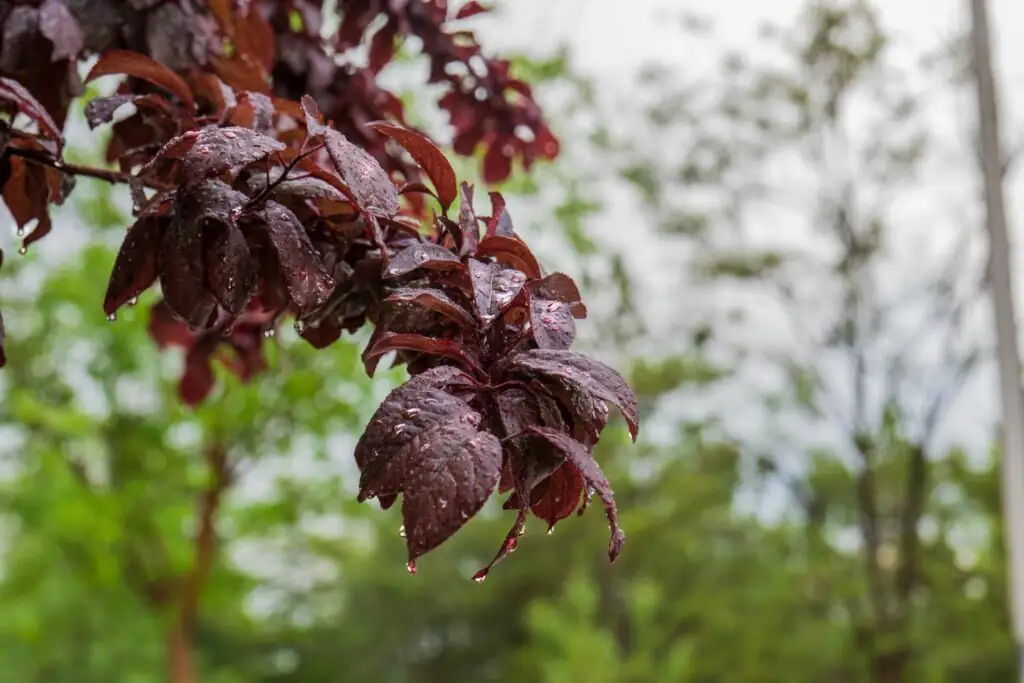
While purple or red leaves can look stunning, they might indicate stress:
- Cold Weather: Some plants, like certain maples, naturally turn red in cooler temperatures.
- Phosphorus Deficiency: If you notice purplish hues along with dying tips, your plant might be craving phosphorus. Consider a phosphorus-rich fertilizer.
Digital Help: Analyzing Leaf Color Using Technology
For those who love a tech twist, digital tools can help you analyze leaf color more accurately. Software like Scion Image or NIH Image allows you to quantify leaf colors, providing insights into the plant’s health, especially regarding chlorophyll and anthocyanin levels.
Getting Started:
- Scan or photograph your leaves.
- Use digital imaging software to assess the green and red percentages.
- Compare these results to known standards to understand nutrient levels.
Conclusion: Listen to Your Plants
Your plants are constantly communicating with you through their leaves. By paying attention to these natural signals, you can address potential issues before they become serious problems. Take the time to observe, adjust, and nurture, and your plants will reward you with their vibrant beauty. Happy gardening!


